Best Time to Visit Greece: Weather, Ferries, Easter & Cost Guide
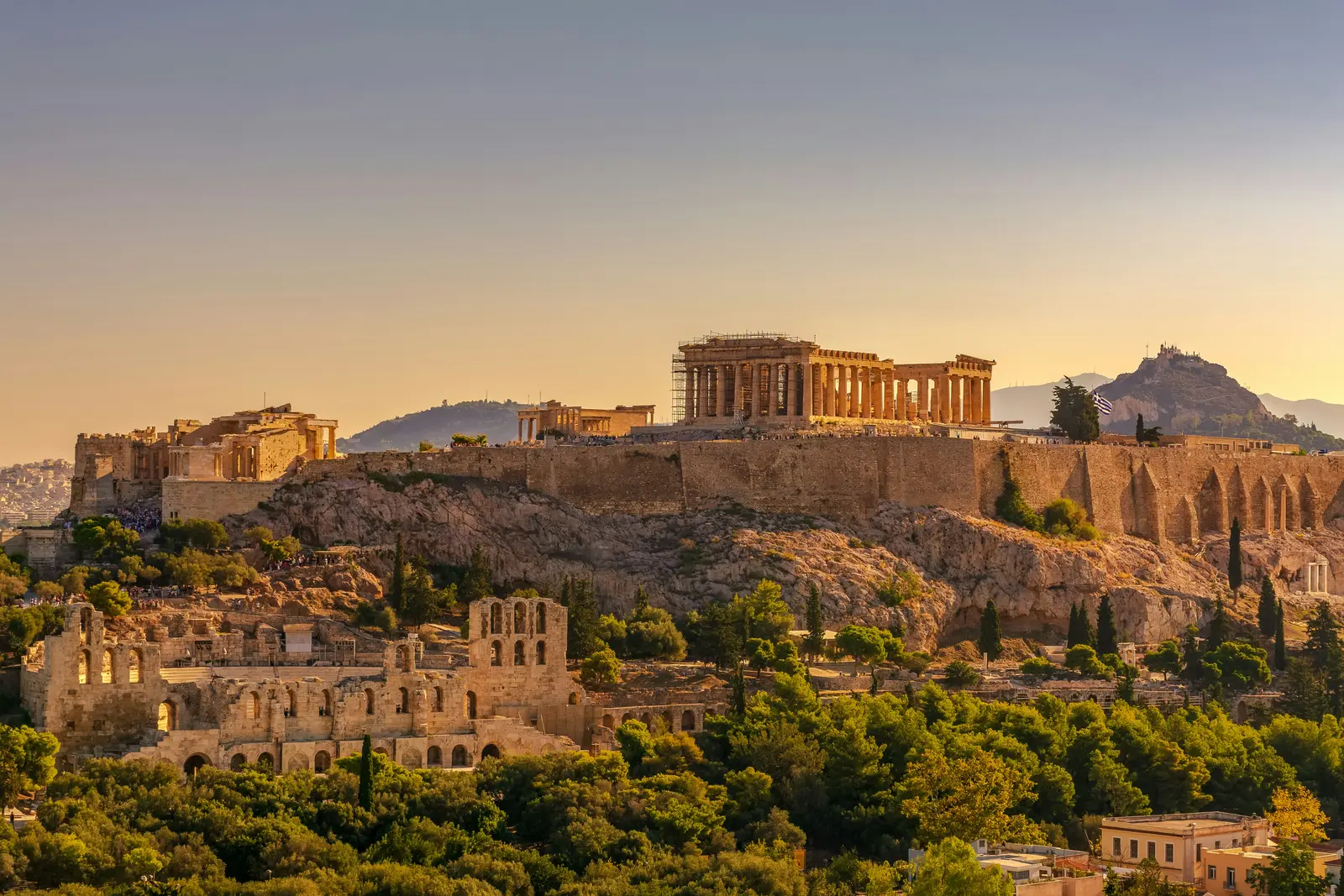
In July 2025, Greece’s Culture Ministry shut down the Acropolis for several afternoons running as temperatures hit 42°C (107°F) — one of several heatwave closures at Greece’s most-visited monument in recent summers. That’s not a freak event anymore; it’s a pattern worth planning a trip around, especially if your itinerary depends on standing on an unshaded hilltop in the early afternoon.
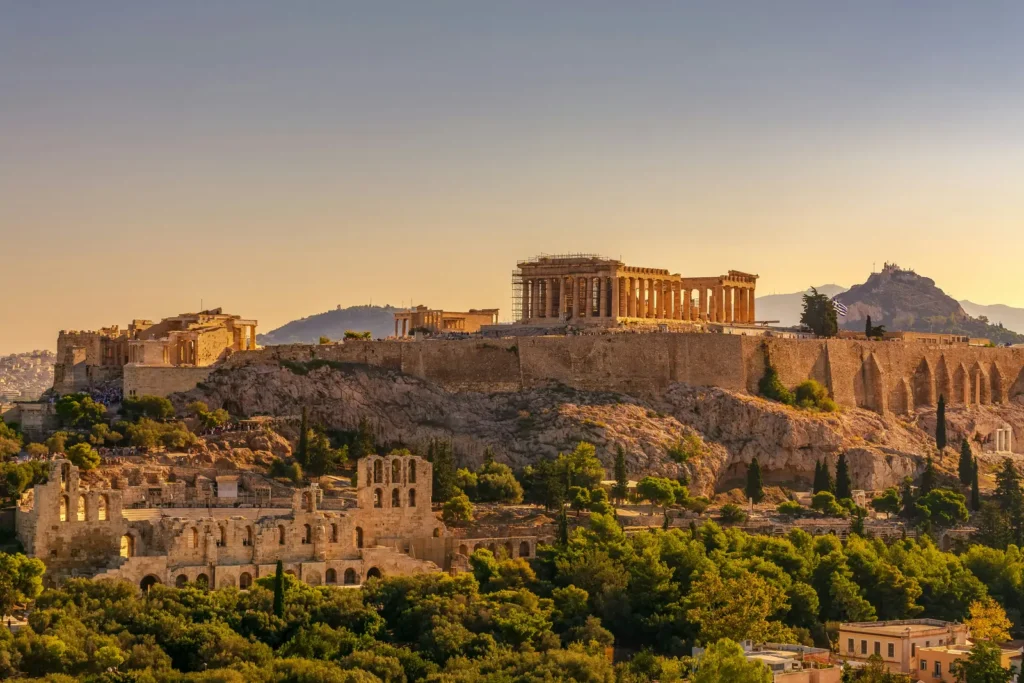
Greece spans the southern Balkan Peninsula and thousands of Aegean and Ionian islands. Its climate splits into a hot, dry summer (June–August) and a mild, wetter winter (November–March), but conditions diverge sharply between the mainland, the windier Cyclades, and the milder southern islands like Crete.
Athens Can Close the Acropolis During Extreme Heat
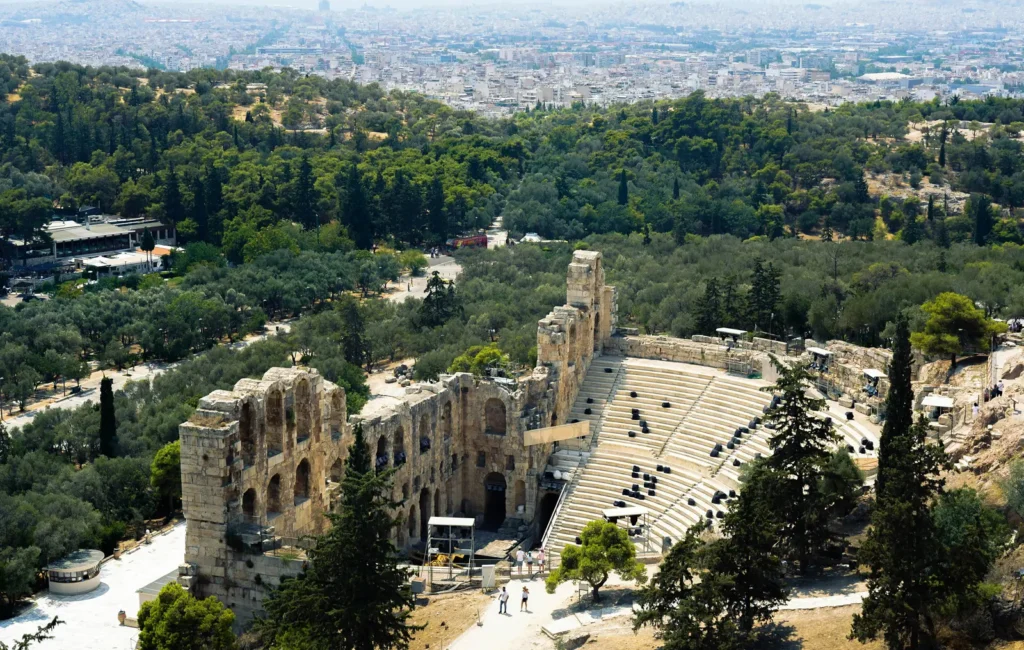
Athens regularly hits 35–40°C in July and August, and during the most intense heatwaves — generally when temperatures push into the high 30s or low 40s °C — Greece’s Culture Ministry has closed the Acropolis and surrounding archaeological sites during the hottest hours, typically midday to 5pm, for the safety of staff and visitors. This has happened repeatedly during recent summer heatwaves, most recently a multi-day closure in July 2025 when temperatures reached 42°C. There’s no published fixed temperature threshold that automatically triggers a closure — it’s decided case by case. The site’s opening hours also vary by season, so check current hours before you go, but a midday closure during a heatwave doesn’t have to ruin a visit if you plan around it: an itinerary built around an early-afternoon Acropolis visit in peak summer has a real chance of running into one. Early morning (before 10am) or the last hour before closing are both cooler and less crowded than the once-standard late-morning visit.
Mainland and Island Weather Diverge More Than a Single Forecast Suggests
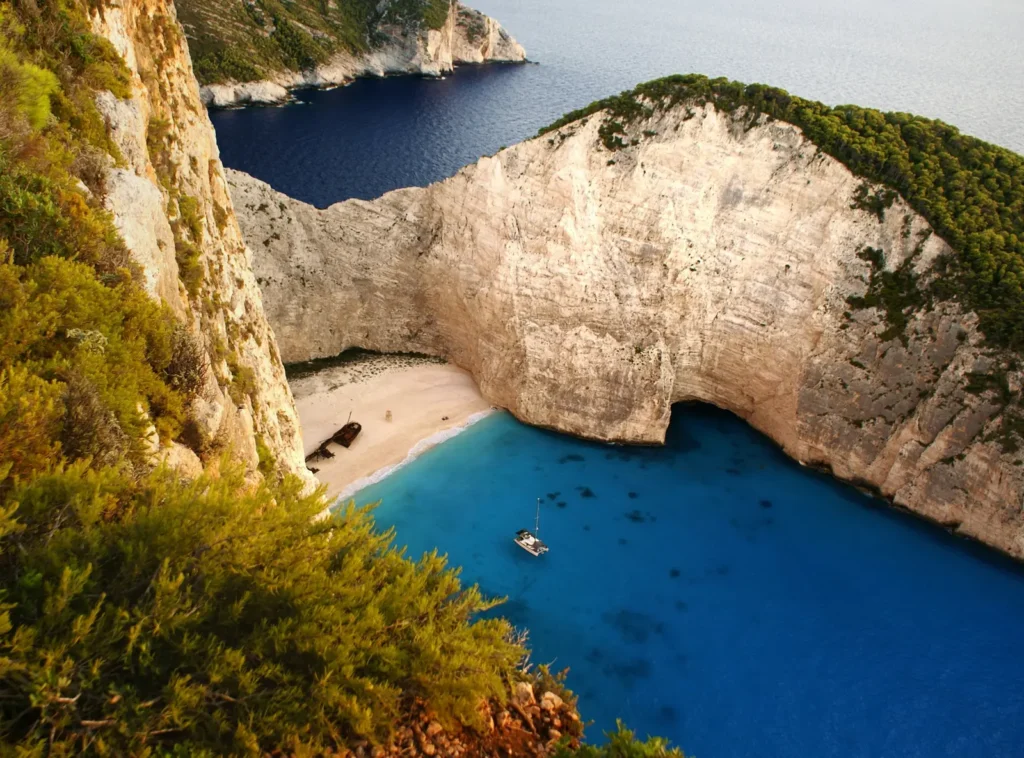
Athens averages around 10°C (50°F) in January and high-20s°C (roughly 83°F) in July and August, with annual rainfall in the range of 350–400mm concentrated between November and February; summer is nearly rain-free. Crete and the southern Dodecanese run noticeably milder in winter — Heraklion averages closer to 12–13°C in January — and stay warm later into autumn than the mainland. The Cyclades (Santorini, Mykonos, Paros, Naxos) are drier than the Ionian islands (Corfu, Zakynthos, Kefalonia) but considerably windier, thanks to the Meltemi. Sea temperatures around Athens and the Cyclades are generally warmest and most comfortable for swimming from July through September (mid-20s°C); June is noticeably cooler than midsummer, at around 22°C. These are general climate averages rather than a single official reading — exact figures vary by year and by the specific station measured.
The short version by region: Athens and the mainland see the most rainfall of the group, concentrated in winter, with the hottest peak summer heat. The Cyclades are the driest region overall but also the windiest, thanks to the Meltemi. The Ionian islands get more rain than the Aegean but far less wind. Crete and the southern Dodecanese have the mildest winters of any Greek region and stay warm the latest into autumn.
Greece month by month, in brief:
- January–March: Mainland-focused travel — Athens stays interesting, but most islands are quiet, prices are generally among the lowest, and many island businesses are closed.
- April–May: Spring weather sets in, Orthodox Easter falls in this window in 2026, and islands gradually reopen for the season.
- June: Warm seas, strong overall conditions, and ferry schedules ramping up toward peak frequency.
- July–August: Peak heat, biggest crowds, strongest Meltemi winds, and the highest chance of an Acropolis heatwave closure.
- September: Warm sea temperatures with fewer crowds than midsummer — a strong all-around month.
- October: Shoulder season continues, but island ferry schedules and business hours start narrowing again.
- November–December: Back to mainland-focused travel, with most small islands largely shut for the season.

The Meltemi Wind Decides Whether Your Ferry Sails
The Meltemi is a strong, dry northerly wind that starts in May, builds through the summer, and peaks in July and August, hitting the Cyclades hardest.
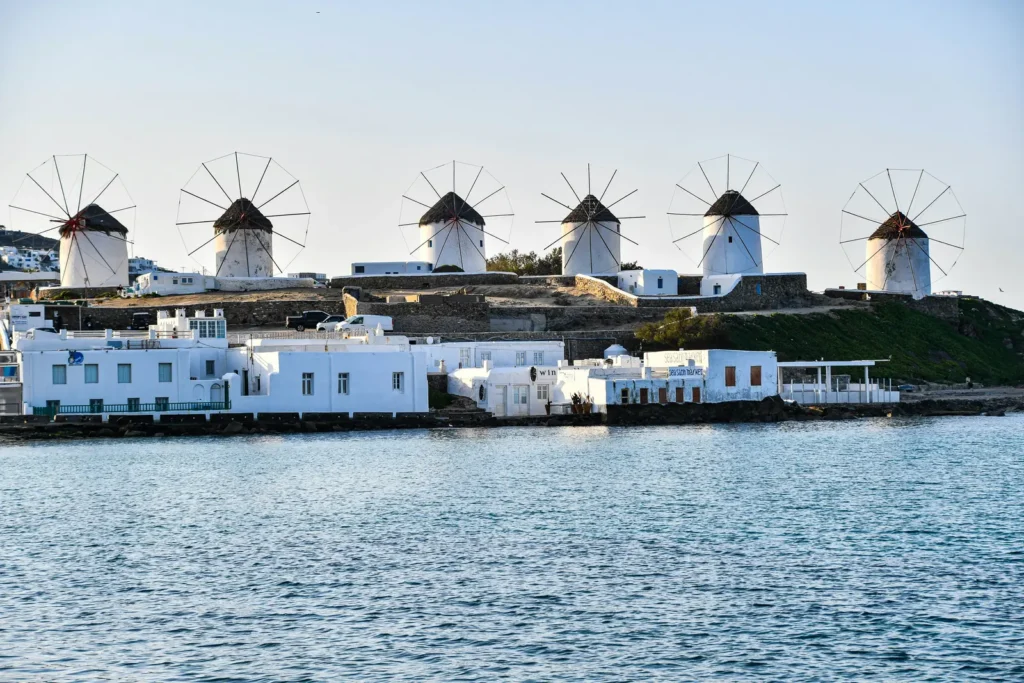
It doesn’t just make sailing choppy — Greek ferries can be cancelled or suspended in high winds, and a strong Meltemi day can cancel high-speed catamaran routes even in the middle of peak season, while larger conventional ferries can be more likely to operate in the same conditions. If your itinerary has a tight island-to-island connection in July or August, it’s worth building in a buffer day rather than scheduling a same-day transfer, since a cancelled sailing with no same-day alternative is a real possibility, not a rare edge case.
Ferry Schedules Follow Their Own Calendar, Separate From the Weather
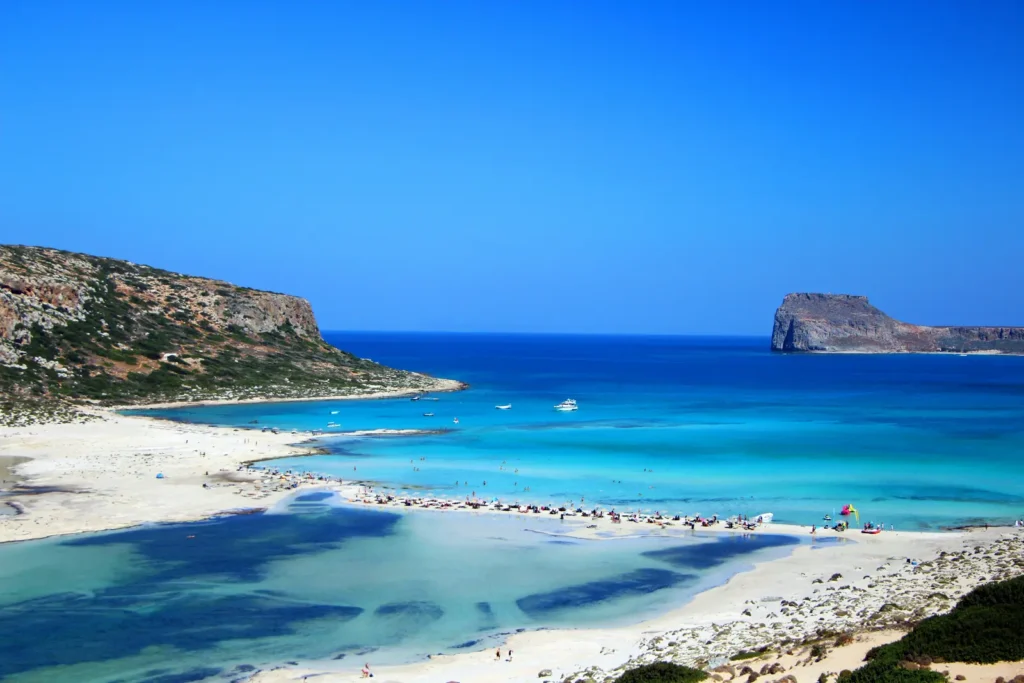
Greek ferries run on three broad schedule bands that don’t map neatly onto the tourist high season, though exact frequency always depends on the specific route, operator, and even day of week. From roughly May through September, most popular routes run at or near their most frequent, often multiple times a day. April and October tend to offer meaningfully better service than the depths of winter on the major Cyclades, Crete, and Dodecanese routes, making them a genuinely practical shoulder-season window — but frequency still varies route by route, so it’s worth checking the specific connection you need rather than assuming daily service. From November through March, service drops sharply on most routes — smaller Cycladic islands can see connections fall to a few times a week or less, and many island businesses close entirely from late October until March or April. If you’re planning an off-season Greek islands trip, Crete and the larger, more populated islands stay far more functional through winter than the small Cyclades — always check current schedules directly with ferry operators before booking, since frequency can change year to year.
Orthodox Easter Reshapes the Whole Spring Calendar

Greek Orthodox Easter falls on April 12, 2026 — a week after Western Easter (April 5) — because the Orthodox Church uses a different method for calculating Easter, known as the Orthodox Paschalion, which can produce a different date from Western Easter. Clean Monday (the start of the 40-day Lenten fast) falls on February 23, 2026, and Holy Week runs from April 6 through Easter Sunday, with Easter Monday, April 13, a public holiday. This is genuinely the biggest cultural event on the Greek calendar — family gatherings, midnight church services, roasted lamb, and red-dyed eggs — and it also tends to mark an early shift in the tourist season: many island businesses that stayed closed all winter reopen around Easter week, though not universally, so it’s one of the earliest points in the year you can often catch island life back in swing, well ahead of the July–August peak.
What a Week in Greece Actually Costs Depends Entirely on One Decision
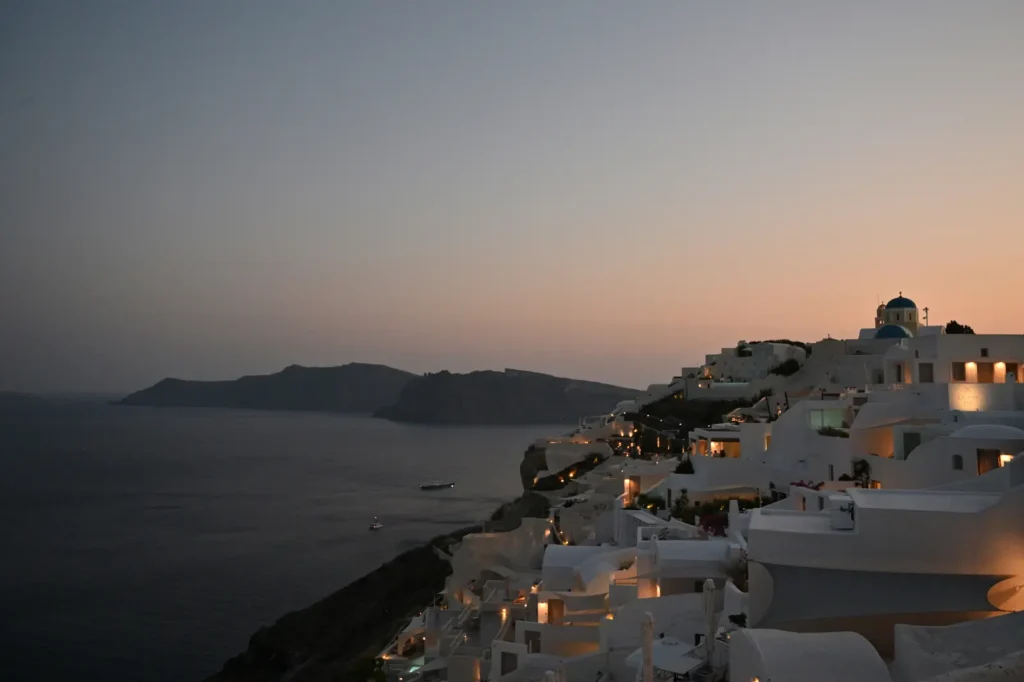
The single biggest factor in a Greece budget isn’t when you go — it’s whether your itinerary includes Santorini and Mykonos or not. Athens and the mainland are genuinely affordable by Western European standards, generally cheaper than comparable capital-city and coastal experiences in Italy or France; a three-star hotel with a pool runs roughly €90–150 a night on the mainland and Crete as an illustrative planning range. Santorini and Mykonos are a different pricing tier entirely: a comparable mid-range room starts around €200, budget guesthouses in peak season run €150–250 (versus €60–90 on the mainland), and caldera-view suites in Oia can exceed €300–1,000 a night in July. Greece charges a mandatory Climate Crisis Resilience Fee on accommodation, separate from the room rate. The amount varies by accommodation type and season, with hotel rates reaching €15 per room per night from April through October for 5-star properties (short-term rentals and larger furnished villas have their own separate rate schedule); lower rates apply November through March and at lower-category properties.
| Tier | Mainland / Crete / Budget Islands | Santorini / Mykonos |
|---|---|---|
| Budget guesthouse | €60–€90/night | €150–€250/night (peak) |
| Mid-range 3-star | €90–€150/night | From ~€200/night |
| Luxury / boutique | €150–€300/night | €300–€1,000+/night |
All of these figures shift by season and booking window — treat them as a planning reference, not a quote. The gap between mainland and Cyclades pricing is wide enough that swapping a Santorini stay for Naxos or Paros, and visiting Santorini as a day trip instead, is a legitimate way to cut a Greece budget substantially without giving up the Cyclades entirely.
How Greece Compares to Italy, Croatia, and Turkey
| Destination | Best Months | Vibe | Value |
|---|---|---|---|
| Greece | May–Jun, Sep–Oct | Ancient sites, island-hopping, strong culinary tradition | Wide range — cheap mainland, expensive Cyclades |
| Italy | Apr–Jun, Sep–Oct | Art, cuisine, denser historic cities | Generally pricier than Greek mainland |
| Croatia | May–Jun, Sep | Dalmatian coast, walled cities, fewer ancient ruins | Often similar to mid-tier Greek islands |
| Turkey | Apr–May, Sep–Oct | Larger-scale ancient sites, Aegean coast, strong food scene | Often more affordable than Greece overall |
Comparing Mediterranean and European options? Our guides to the best time to visit Switzerland and the best time to visit Portugal cover two other strong destinations with very different seasonal patterns.
Which Month Is Best Depends on What You’re Optimizing For
There’s no single best month for every traveler — it splits by what you’re actually prioritizing:
- Strongest overall balance of weather, crowds, and price: late May–June or September
- Most reliable hot, dry beach weather: July–August
- Avoiding Meltemi wind and ferry disruption risk: April–May or late September–October
- Lower prices on Santorini/Mykonos specifically: late September–early October
- Culture and Easter traditions: April (Easter week, April 6–13, 2026)
- Quiet, uncrowded mainland sightseeing: November–March (islands mostly closed)
May–June and September offer the strongest all-around combination for many travelers: warm weather, meaningfully fewer crowds than the July–August peak, and generally good island connectivity while summer ferry schedules are still operating. If Easter traditions or guaranteed island nightlife matter more to you than that balance, they’re reasonable trade-offs against a “best overall” answer.
Frequently Asked Questions
Will the Acropolis actually be closed when I visit?
Not necessarily — closures only happen during periods of extreme heat, particularly when temperatures reach the high 30s or low 40s °C, and only for a few hours in the early afternoon. It’s happened repeatedly during recent summer heatwaves, so it’s a real possibility in July or August specifically, not a year-round risk.
Can I island-hop in Greece in winter?
It’s limited rather than impossible. Crete and other larger islands stay functional with reduced ferry service, but small Cycladic islands see ferries drop to a few times a week and most businesses close from late October to March or April. Always confirm current schedules directly with ferry operators before booking a winter trip.
Is Santorini worth the price gap versus the rest of Greece?
That’s a personal call, but the price gap is real — accommodation and dining both run noticeably higher than Naxos, Paros, or Crete for comparable quality. Many travelers split the difference by staying on a cheaper island and visiting Santorini as a day trip via ferry.
Does the Meltemi wind affect the whole trip or just ferries?
Mainly ferries and boat trips — it can cancel high-speed catamaran sailings and make swimming choppier on exposed beaches, particularly in the Cyclades during July and August.
Is Greek Orthodox Easter a good time to visit?
Yes, if cultural immersion matters to you — it’s April 12, 2026, and many island businesses that stayed closed all winter reopen around Easter week, making it one of the earlier points in the year you can often catch island life back in swing before the summer crowds.