Best Time to Visit Portugal: A Month-by-Month Guide
May, June, and September are Portugal’s sweet-spot months — warm, dry weather in the low-to-mid 20s°C, long daylight, and a fraction of August’s crowds and prices. But which Portugal are you picturing? Lisbon and the Algarve bake through cloudless Mediterranean summers; Porto and the north stay cool and catch most of the country’s rain; the Douro Valley inland swings from 40°C harvest heat to winter frost. Packed into a country roughly the size of Indiana, these are three genuinely different climates, and the right season shifts depending on which one is on your itinerary.
Quick answer: The best time to visit Portugal overall is May, June, or September — warm, dry weather in the low-to-mid 20s°C (70s°F), long daylight hours, and noticeably lower prices and crowds than the July–August peak. Beach-focused trips do best June through September; sightseeing in Lisbon and Porto is most comfortable in late April to early June or mid-September to mid-October.
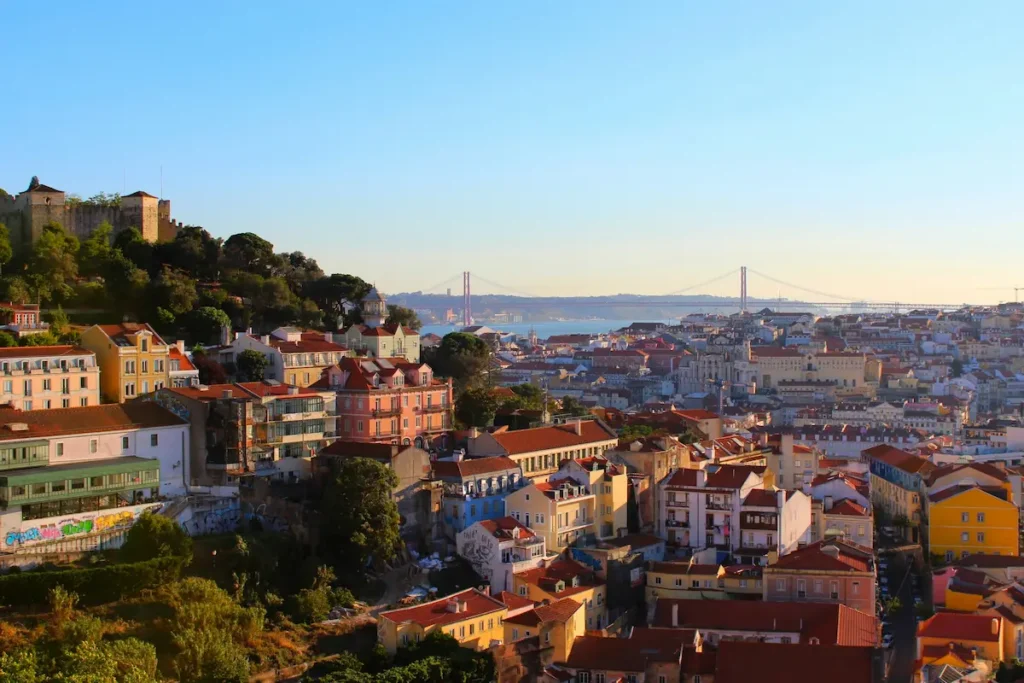
Understanding Portugal’s Climate: Three Countries in One
Portugal isn’t a single climate zone, and treating it like one is where most “best time to visit” guides go wrong. It’s the same mistake we flag for Switzerland, where the lowland cities and the high Alps run on almost separate calendars entirely.
- Lisbon and the Algarve (south): Mediterranean — hot, dry summers, mild wet winters, over 300 sunny days a year in many spots.
- Porto and the north (Atlantic coast): Cooler and rainier year-round, with most rainfall falling October through March. Summers here are mild rather than scorching.
- The Douro Valley (inland): Continental — scorching, dry summers (inland spots can push past 40°C/104°F) and cold, frosty winters.
Example: In July, Lisbon and Faro sit comfortably in the high 20s°C with essentially no rain, while the same week in Porto might bring a passing Atlantic shower — and inland in the Douro, daytime temperatures can climb well past what either coastal city sees.
If your itinerary spans more than one region, plan around whichever leg has the narrowest weather window — usually the Douro Valley or the north. It’s a milder version of the climate compression travelers run into in Morocco, a common add-on trip where coast, desert, and mountains can be in three different seasons within a single day’s drive.
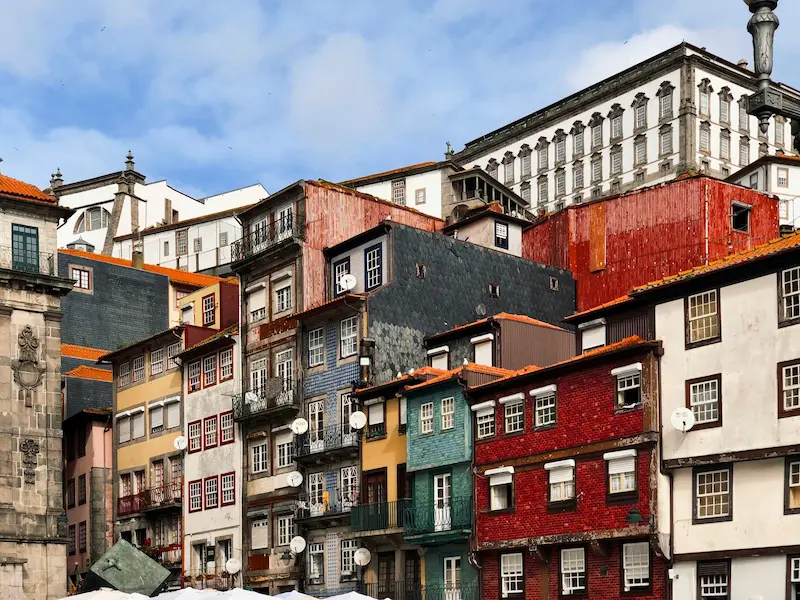
Best Time to Visit Lisbon and the Algarve
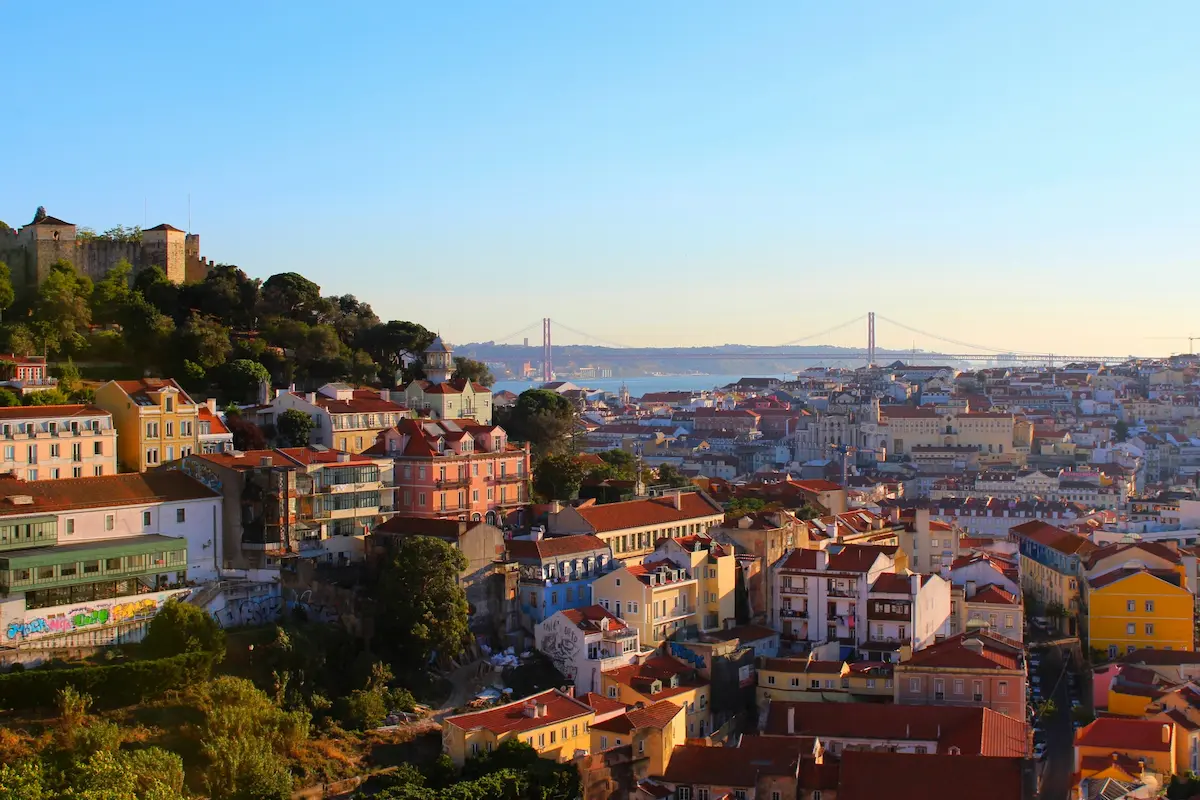
The best time to visit Lisbon and the Algarve is May through September, when both regions sit in their driest, sunniest stretch. June and September offer nearly the same warmth as peak summer with noticeably smaller crowds and lower prices; July and August are hottest and busiest, especially along the Algarve coast.
Lisbon and the Algarve share a Mediterranean climate but aren’t identical — the Algarve runs slightly hotter and drier in peak summer, and its sea temperature is more forgiving for swimming earlier in the season. Winter in both regions is mild by European standards; frost is rare in Lisbon and essentially unheard of on the Algarve coast.
Worth knowing: inland Algarve towns away from the coast can run several degrees hotter than beach towns in July and August — worth factoring in if your itinerary includes both.
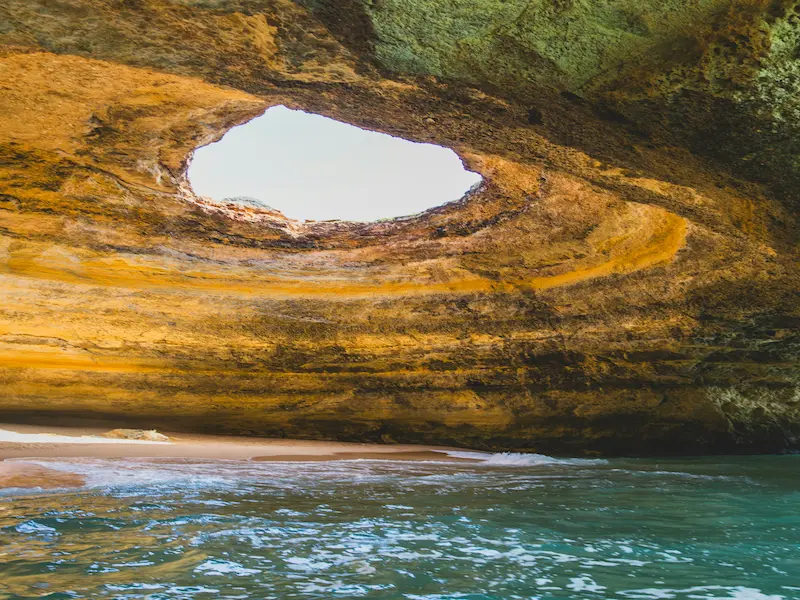
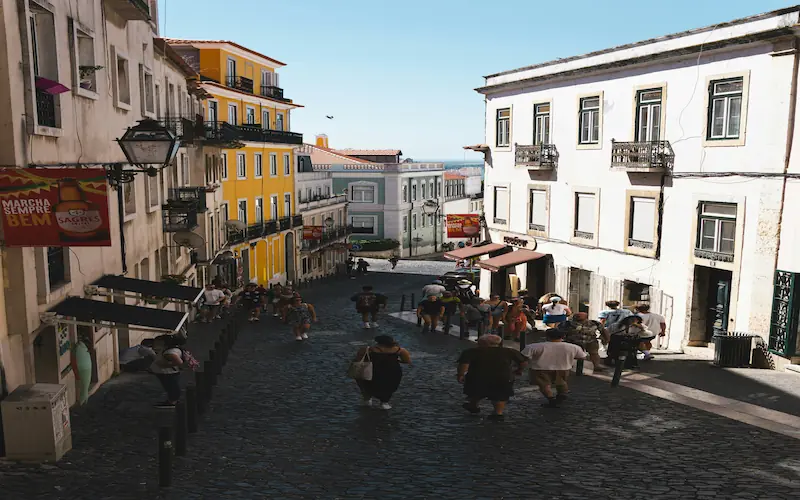
Best Time to Visit Porto and the Douro Valley
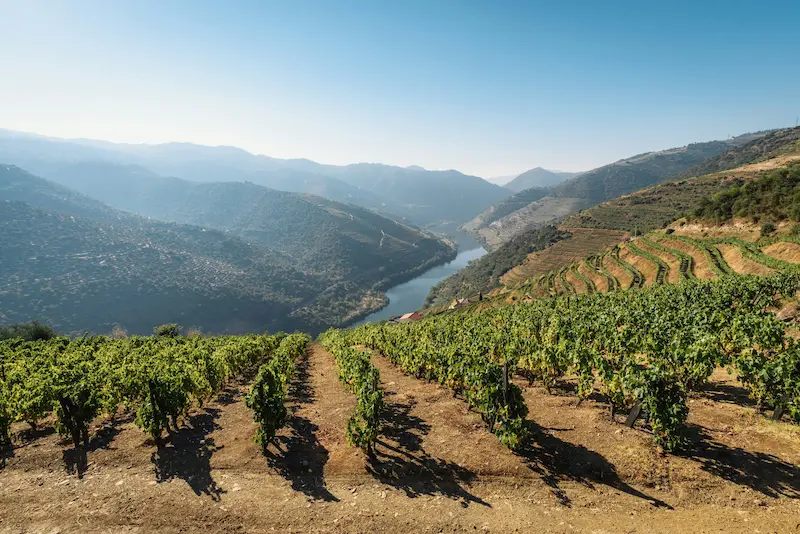
The best time to visit Porto is May through September, avoiding the heavy October–March rain that defines the north’s winter. The Douro Valley inland runs on a sharper swing: September and October are the sweet spot, coinciding with the wine harvest (vindima) and avoiding both the Douro’s brutal summer heat and its frosty winters.
Question: Is Porto worth visiting in winter? Yes, if you don’t mind rain — Porto stays mild even in the wettest months (rarely below 5°C), and the city’s indoor attractions (port wine cellars, Livraria Lello, museums) hold up well on a rainy day. Just don’t plan a Douro Valley river cruise around December; river levels and weather make it a fair-weather activity best saved for spring through autumn.
Best Time to Visit Sintra and the Alentejo
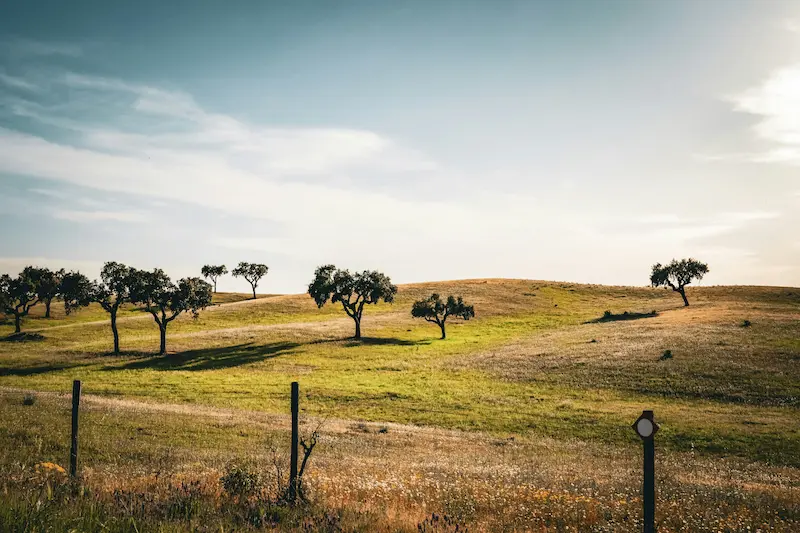
Sintra runs a cooler microclimate than nearby Lisbon thanks to its hilltop position and forest cover — pleasant nearly year-round, but April through June and September through October avoid both summer’s day-tripper crowds and winter’s fog. The Alentejo, Portugal’s rural interior and wine country, is greenest and most pleasant to explore March through May, before its own version of continental summer heat sets in.
Worst Time to Visit Portugal
There isn’t a genuinely bad time to visit Portugal — this is part of what makes it such a forgiving destination — but two windows are worth flagging honestly:
Mid-July through August in inland areas. Heat in the Douro Valley and Alentejo can be brutal for daytime activity, and coastal towns get crowded and expensive at the same time.
November through February in the north. If beaches or hiking are the priority, Porto and the north’s heaviest rain season works against you — though the south stays comfortably mild through the same months.

Portugal Festivals Worth Timing Your Trip Around
Portugal’s festival calendar is dense enough to plan an entire trip around a single week:
- Carnival (Entrudo) — February 17, 2026. Especially lively in Lisbon and Algarve towns.
- Holy Week (Semana Santa) — March 21–28, 2026. Religious processions, most striking in Braga and Óbidos.
- Fátima Pilgrimage — May 12–13, 2026 (a smaller repeat pilgrimage falls October 12–13). Hundreds of thousands travel to the Sanctuary of Fátima for the anniversary of the first apparition; accommodation across central Portugal books up well in advance.
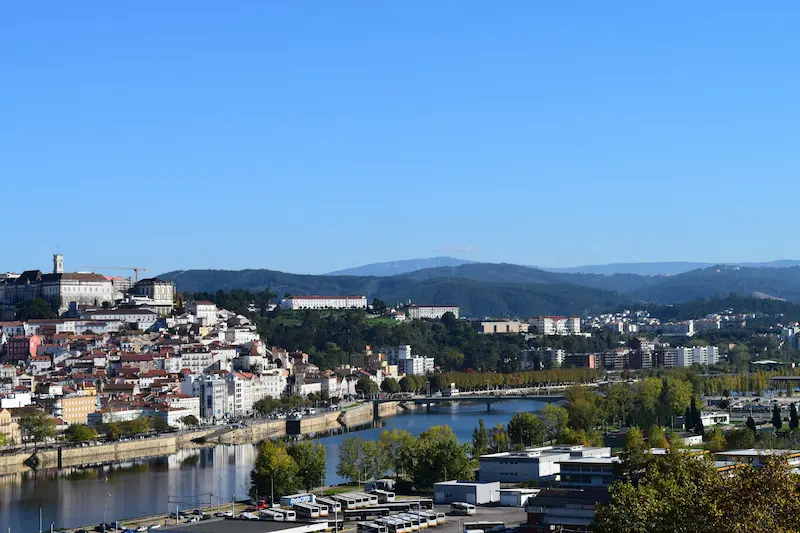
- Queima das Fitas (Coimbra) — May 22–30, 2026. A week-long student festival at Portugal’s oldest university, with parades and street parties.
- Santos Populares — June 2026. Lisbon’s Saint Anthony celebrations peak the night of June 12–13 with grilled sardines and neighborhood parties in Alfama and Mouraria; Porto’s Festa de São João follows June 23–24 with a livelier, rowdier edge.
- Summer Music Festivals — August. Major names like NOS Alive and Rock in Rio Lisboa, alongside beach-town festivals across the Algarve.
- Republic Day — October 5. National holiday with closures nationwide.
- Christmas Markets — December. Lisbon and Porto both run markets through the month, with New Year’s Eve fireworks over the Tagus in Lisbon among Europe’s best free river-view displays.
Example: If you’re building a June itinerary around Lisbon, timing a few days around June 12–13 for Santos Populares is a natural add-on — the festival happens in the neighborhoods most visitors already walk through, rather than requiring a special trip.
Portugal Weather and Travel Costs by Season
- Peak season (June–August): flights and hotels run noticeably higher than shoulder-season rates, with the steepest surcharges around Santos Populares week and the August European vacation peak.
- Shoulder season (April–May, September–early October): the genuine sweet spot — warm weather most of the trip, without peak-season pricing or crowds. It’s the same shoulder-season logic that Iceland leans on too, just with a much milder climate underpinning it.
- Low season (November–March): the cheapest window nationwide, with the trade-off being rain risk in the north and cooler evenings everywhere.
| Month | Lisbon Temp | Rainfall Level | Algarve Conditions | Porto Conditions | Douro Valley Conditions | Best For |
|---|---|---|---|---|---|---|
| January | 9–15°C | High | Mild, occasional rain | Wettest quarter begins | Cold, frost possible | Budget travel, city breaks |
| February | 10–16°C | Moderate | Mild, drier than Jan | Rainy | Cold | Carnival, budget travel |
| March | 11–17°C | Moderate | Mild, sunny spells | Improving | Cool, greening up | Shoulder-season value, Holy Week |
| April | 12–19°C | Low–moderate | Warm, mostly dry | Improving, still showery | Mild | Sightseeing, wildflowers |
| May | 13–21°C | Low | Warm, dry | Pleasant | Warm, dry | Best overall month, Fátima pilgrimage |
| June | 15–24°C | Very low | Hot, dry | Mild, dry | Hot | Santos Populares, beaches |
| July | 16–27°C | Driest month | Hottest, driest | Driest month | Very hot | Peak beach season |
| August | 17–27°C | Very low | Hottest | Warm, dry | Hottest, can exceed 40°C | Peak season, music festivals |
| September | 16–26°C | Rising | Warm, dry | Mild | Warm | Wine harvest, shoulder value |
| October | 14–22°C | Rising | Cooling, still pleasant | Rain returns | Cooling, harvest tail end | Harvest travel, Republic Day |
| November | 11–18°C | Wettest in Lisbon | Mild, wetter | Approaching wettest | Cold | Budget travel, repeat Fátima pilgrimage |
| December | 9–15°C | High | Mild, wet | Wettest month | Cold, frost possible | Christmas markets, New Year’s Eve |
Lisbon temperatures shown as approximate monthly low–high range. Algarve, Porto, and Douro Valley columns describe general seasonal patterns; conditions can vary year to year.
Frequently Asked Questions
What is the cheapest month to visit Portugal?
January and February typically have the lowest flight and hotel prices, followed by November. Shoulder months like May and September offer a better balance of good weather and lower cost than peak summer.
Is Portugal hot in summer?
The Algarve and Lisbon can reach the high 20s to low 30s°C (mid-80s to mid-90s°F) in July and August, while inland areas like the Douro Valley and Alentejo run hotter still. Porto and the north stay comparatively mild.
When is the best time to visit Portugal for beaches?
June through September, when sea temperatures and air temperatures both peak. July and August are warmest but busiest; June and September offer a quieter alternative with similar beach weather.
Does it rain a lot in Portugal?
Not by Northern European standards — the south sees over 300 sunny days a year. Most rain falls between November and March, and it’s concentrated in the north.
What is the best month to see the Douro Valley wine harvest?
September, when the grape harvest (vindima) is in full swing and the valley’s terraced hillsides turn shades of gold and red.
Is Portugal a year-round destination?
Yes. Winters are mild enough for city breaks and sightseeing, though beach and hiking travelers will get more out of April through October.
Weather patterns, prices, and event dates can change. Always verify current conditions and details with official sources before booking your trip. See our Disclaimer for more information.