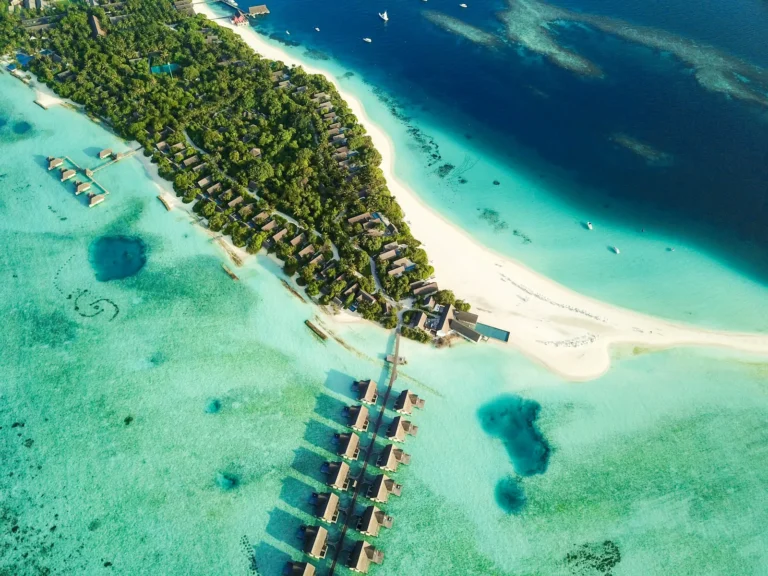
Best Time to Visit Bali: Month-by-Month Guide (2027)
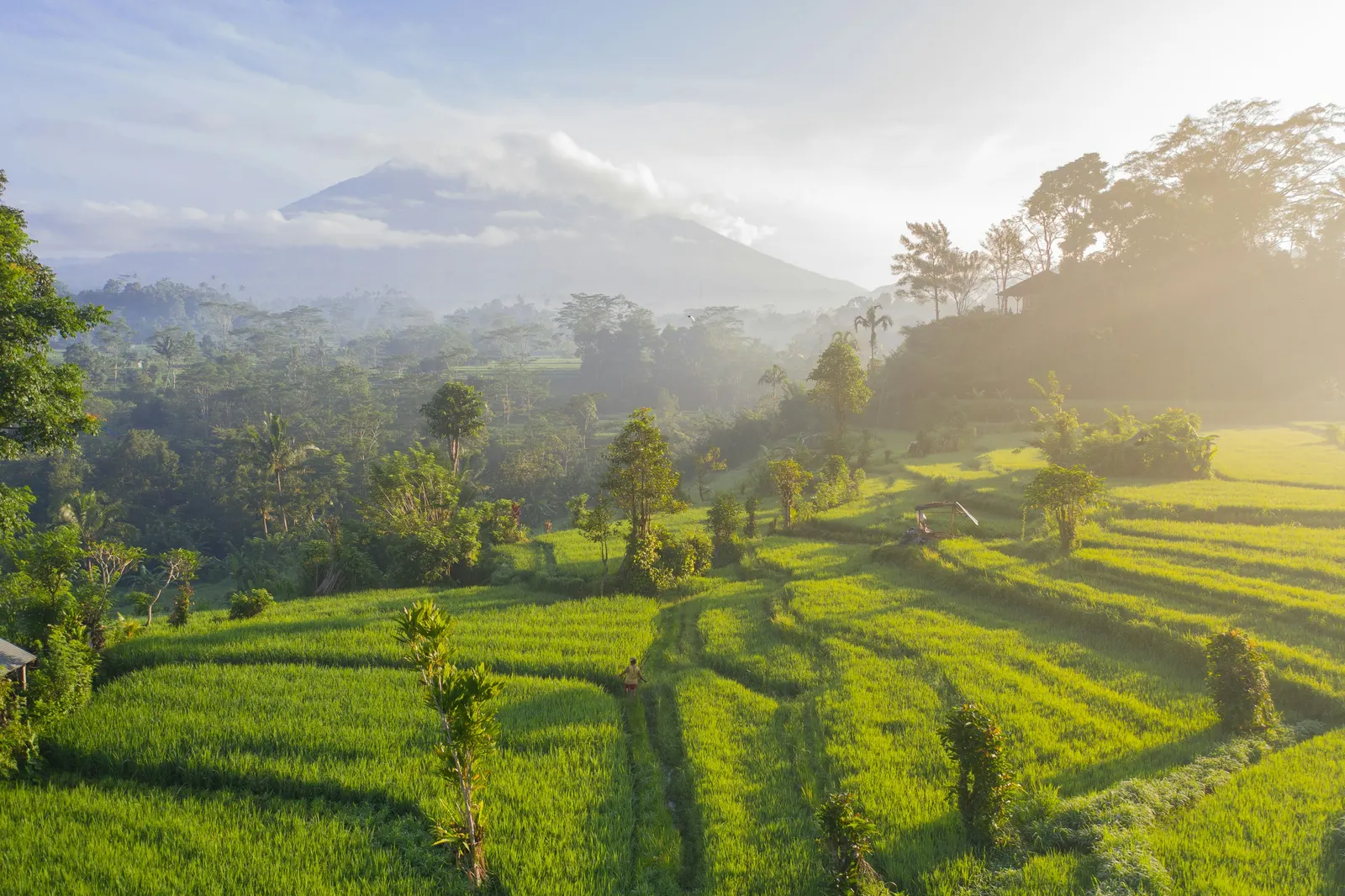
Bali’s drier season generally runs from around April/May through October and is the best stretch to visit: rainfall drops, seas calm down for island-hopping, and the west coast surf breaks come alive. April itself is a transition month, with rain tapering off through the weeks rather than stopping on a fixed date. Averages also hide a lot of local variation — the Bukit Peninsula stays drier than Ubud even in wet season — and one date overrides the weather entirely: Nyepi, the Day of Silence, shuts the entire island down, airport included, for 24 hours. In 2027, that’s Monday, March 8, 2027, confirmed on Indonesia’s official national holiday calendar.
Quick Answer
- Best overall: May, June, or September are typically dry with lighter crowds and prices than July–August
- Best for surfing: June–August for the biggest west-coast swells, or late September–November for a lighter-crowd trade-off
- Best for diving/snorkeling: April–September for general visibility; July–October is the typical window to look for mola mola at Nusa Penida, though sightings are never guaranteed
- Best for budget travel: January–February are often among the cheapest and quietest months, outside the New Year holiday period — March can still be affected by Nyepi-related closures
- Plan around: Nyepi, confirmed for Monday, March 8, 2027 — still worth a quick reconfirmation of operational details closer to travel, since arriving or departing on the day itself isn’t possible
- Cooler, quieter alternative: Ubud and the central highlands, which are far less season-dependent than the coast
Bali Weather Month by Month
Averages below are typical patterns for southern/lowland Bali based on multi-year climate data; any single year can run wetter or drier than average, and conditions vary more by region (coast vs. highlands vs. Bukit Peninsula) than these island-wide figures suggest.
January — Typically the wettest month, with rain often falling in multi-day stretches rather than just short afternoon bursts. Hot and humid, and — outside the New Year crowd at the very start of the month — often among the quietest, cheapest stretches of the year, though pricing swings more with holidays and booking lead time than weather does.
February — A similar picture to January, usually a little less relentless. Still wet-season pricing and crowd levels, and still a reasonable trade-off if low cost matters more than sunshine.
March — Rain typically starts easing, with more sunshine breaking through by late in the month. The major exception: Nyepi, confirmed for Monday, March 8, 2027, when the entire island — flights, roads, lights — shuts down for 24 hours, with the Ogoh-Ogoh parade the evening before, Sunday, March 7. Expect some shops and restaurants outside tourist zones to close around related observances.
April — The unofficial start of the dry season. Rain tapers off noticeably, rice terraces coming off the wet months can be especially lush and green, and boat crossings to the islands typically start becoming more consistent.
May — A strong all-round month: typically dry and warm, with crowds and prices still below the July–August peak. Frequently cited as one of the better single months to visit.
June — Dry season generally in full swing. Surf swells on the west coast start building toward their biggest window; evenings in the highlands get noticeably cooler.
July — Peak dry season and peak tourist season together: the biggest, most consistent west-coast surf swells, but also the busiest beaches and highest prices. July–August can still bring rougher-than-expected boat crossings despite the dry weather, because seasonal monsoon winds can increase wave conditions in the straits — day-to-day conditions matter more than the calendar alone, so it’s worth checking the forecast rather than assuming “dry season” means “calm sea.”
August — Typically the driest month island-wide on average rainfall, and still peak season for crowds and pricing. Underwater visibility generally stays good.
September — Typically dry, with crowds and prices noticeably lower than July–August — a month regularly recommended for a good weather-to-crowd ratio. The mola mola window at Nusa Penida is usually underway.
October — The tail end of the dry season; diving conditions can remain excellent, and the mola mola window at Nusa Penida typically continues through the month, though the first returning showers can start to appear.
November — Wet season generally begins. Boat crossings to the islands tend to get less predictable again, but the east coast (Keramas, Sanur) picks up better surf as the wind pattern flips. West-coast surf can still be good this month as crowds thin, though conditions get less predictable than during peak season.
December — Typically wet and humid, and — because of the Christmas/New Year holiday crowd — one of the more expensive and crowded stretches of the year despite the rain.
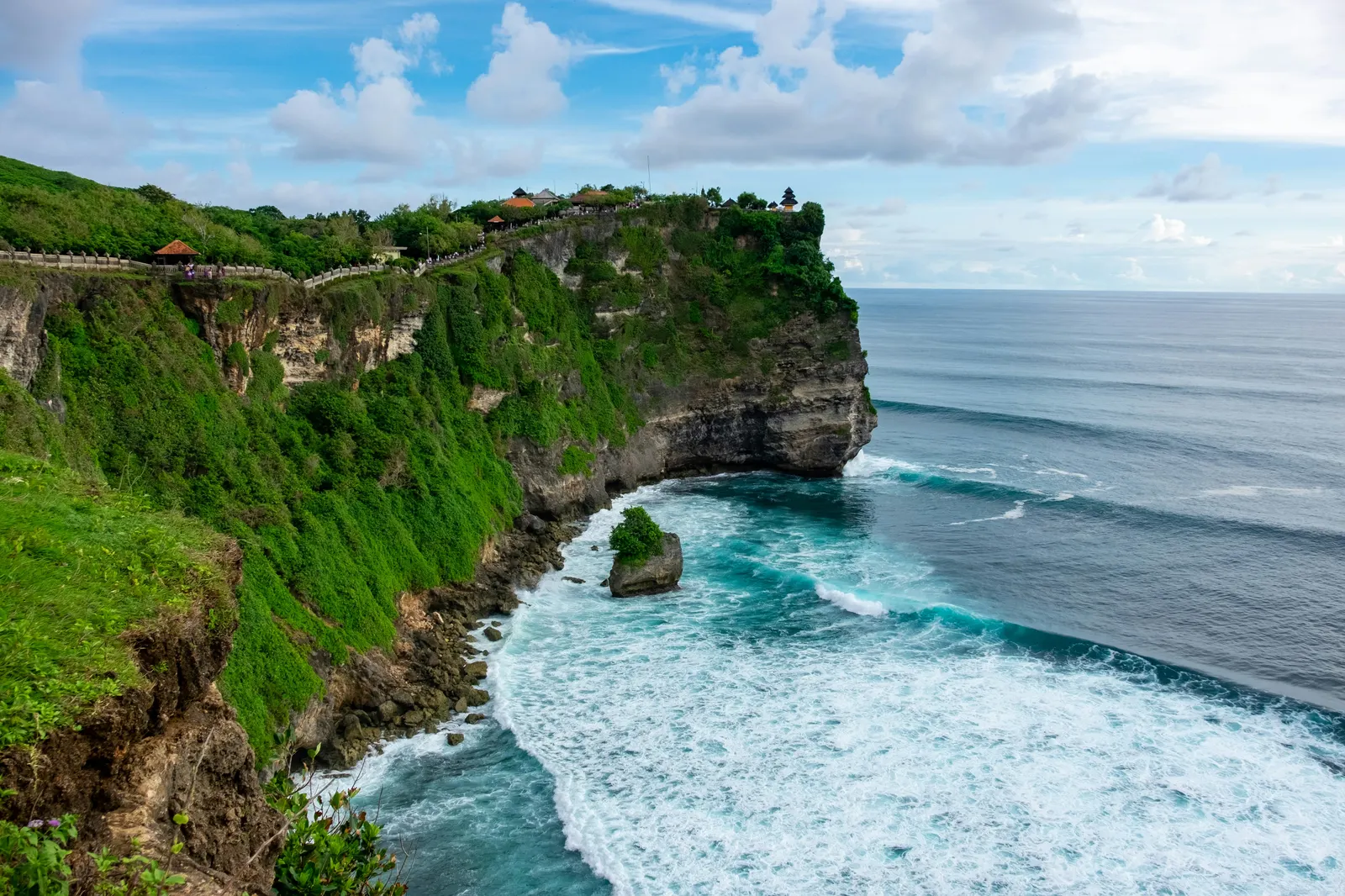
What’s the Weather Like in Southern Bali (Seminyak, Canggu, Uluwatu, Nusa Dua)?
The beach towns of the south follow Bali’s textbook dry/wet split fairly closely, since they sit at sea level with no highland buffer. Expect hot, humid days year-round, with the dry season from roughly April to October bringing lower humidity and calmer seas. The Bukit Peninsula (Uluwatu, Padang Padang, Bingin) sits on drier limestone than the rest of the island, so even in wet season its rain tends to be shorter and less disruptive than in Seminyak or Canggu. July and August are the busiest, most expensive months here — if the south’s nightlife and beach-club scene is the draw, budget for crowds.
When Should You Visit Ubud and the Central Highlands?
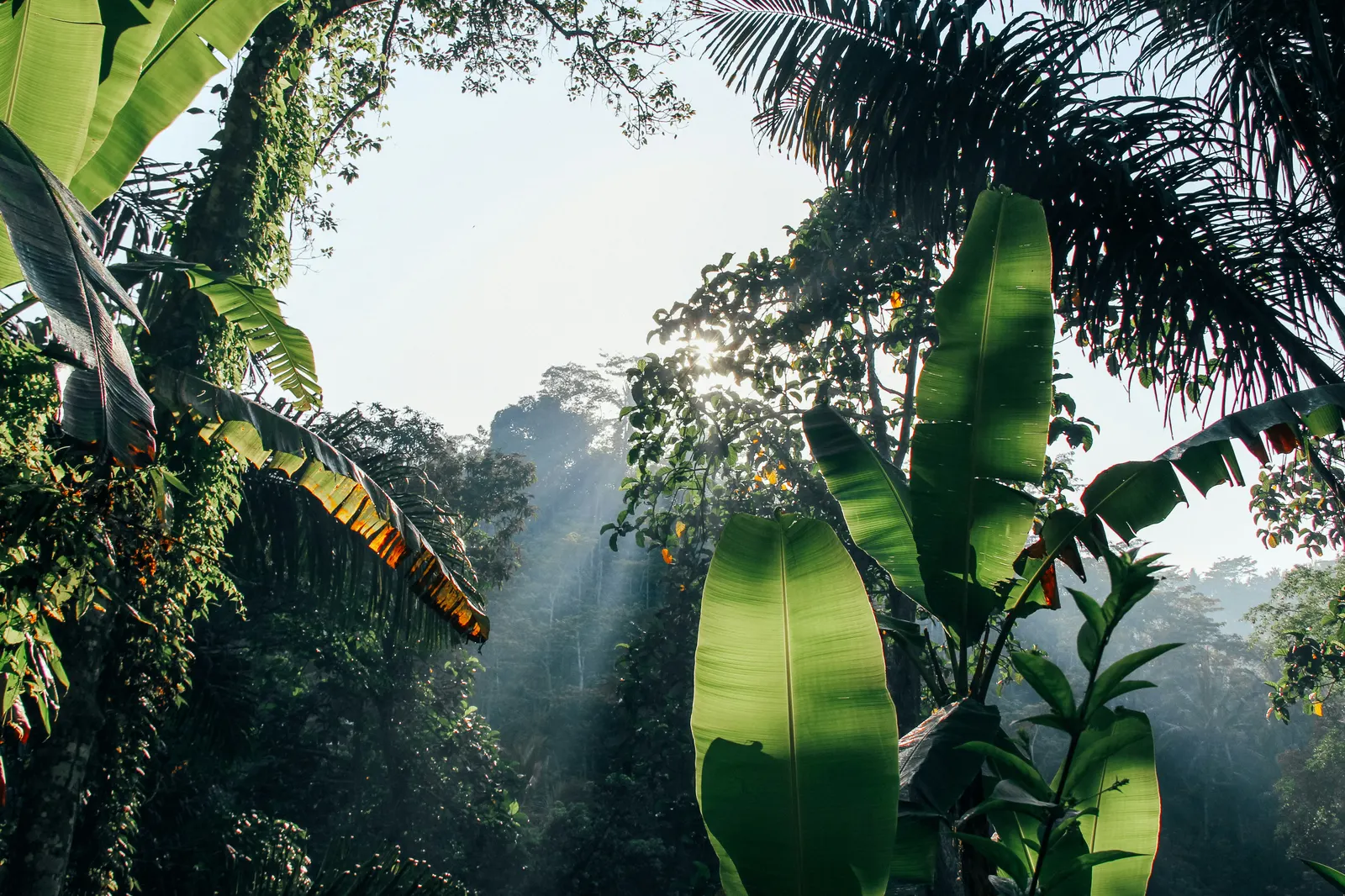
Ubud sits at a modest elevation above the coast, and that alone changes the calculus: daytime temperatures run a few degrees cooler than the beaches, and rain is both more frequent and more likely year-round than at sea level. Head further up toward Kintamani, Bedugul, or the volcanoes, and the gap widens further — evenings there can get genuinely cool. The dry season is still Ubud’s most reliable stretch for trekking Campuhan Ridge and touring the rice terraces without getting rained out, but the wet months bring their own appeal: rice paddies at their greenest, thinner crowds at Tegalalang, and misty mornings suited to slower, wellness-oriented itineraries. If your trip is built around yoga, spas, or culture rather than surf or beach time, Ubud is genuinely less season-dependent than the coast.
What About East Bali — Amed, Tulamben, and Sidemen?
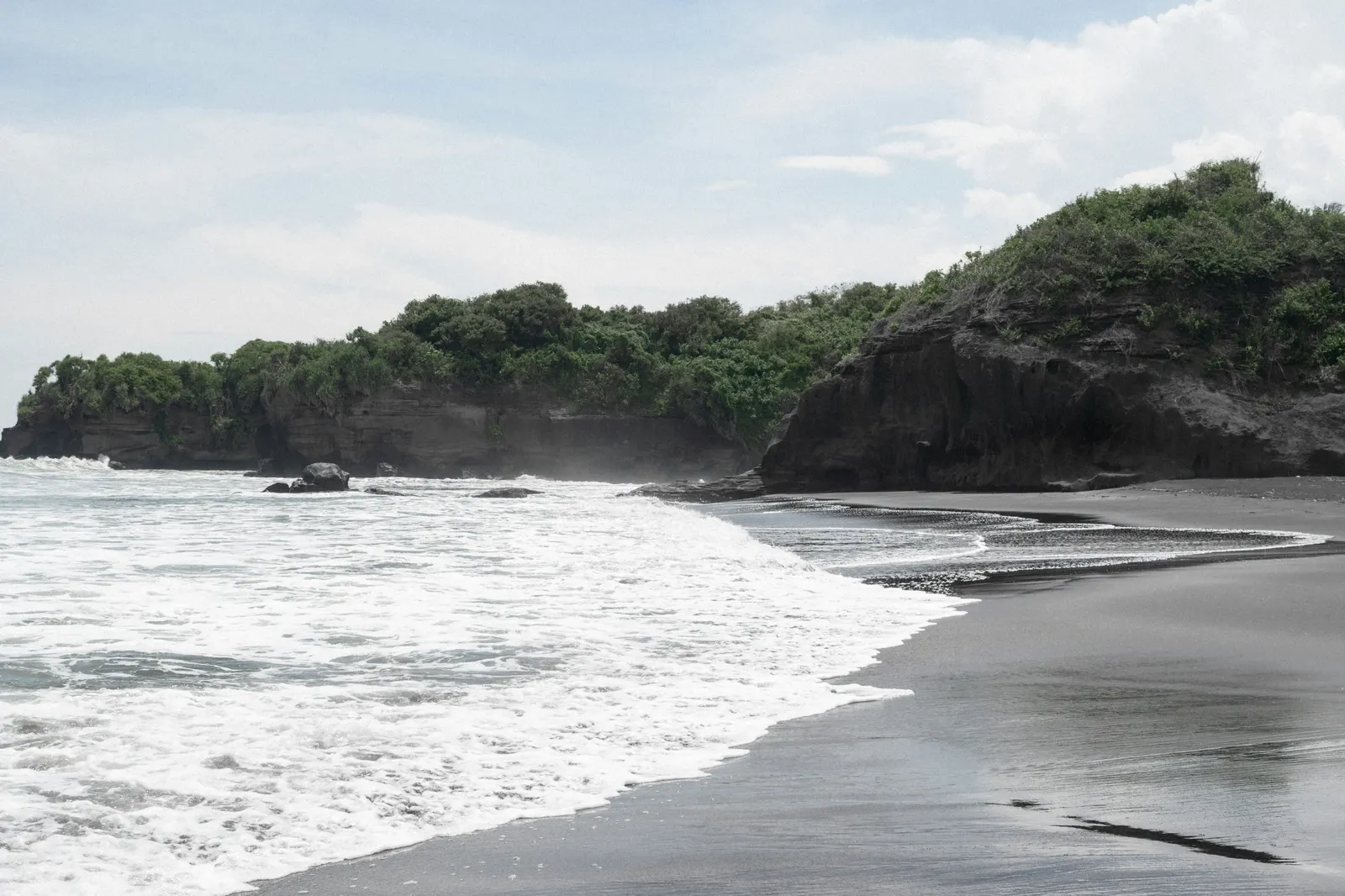
East Bali gets less tourist traffic than the south or Ubud. Amed and Tulamben, on the black-sand northeast coast, generally receive less rainfall than many other parts of Bali, which is why divers often treat this coast as a useful option outside the main dry season too. The USAT Liberty wreck at Tulamben is diveable most months; what changes seasonally is visibility, which tends to be best from April through October when runoff is lowest. Sidemen, inland and higher up, shares Ubud’s cooler, greener highland climate.
When Is the Best Time to Visit Nusa Penida and the Nusa Islands?
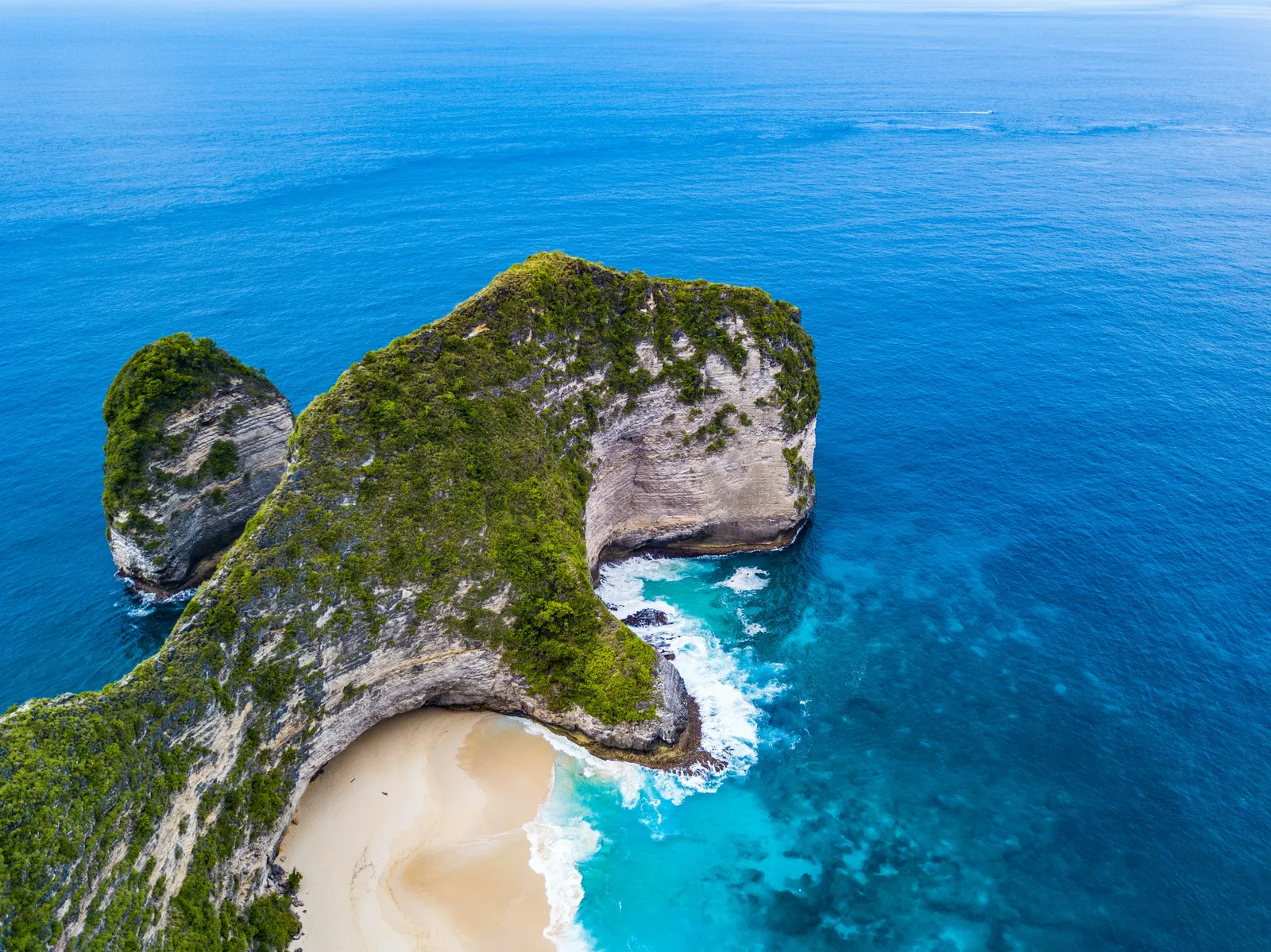
Nusa Penida, Nusa Lembongan, and Nusa Ceningan sit a roughly 30–45 minute fast-boat ride from Sanur, depending on the service and conditions, and the crossing is the deciding factor for when to go. From roughly May to October, seas tend to be calmer and boats generally run closer to schedule, though any individual crossing still depends on the day’s wind, swell, and operator — delays and cancellations happen in the dry season too, just less often than in the wet months. From November to March, crossings get rougher and cancellations more common, and Penida’s rougher interior roads can turn hazardous after heavy rain. Manta rays are visible off Penida close to year-round, but the mola mola (ocean sunfish) window, typically July through October, is the reason many divers time a Penida trip specifically, when cooler seasonal waters make sightings more likely — they’re never guaranteed, even in-season. Some Nusa Penida dive sites have strong currents and more challenging conditions, so check a site’s requirements against your certification and experience before booking. Penida’s limestone plateau is often described as drier overall than mainland Bali, similar to the Bukit Peninsula, though travelers chasing guaranteed sun should still check conditions rather than assume it.
Should You Extend to the Gili Islands or Lombok?
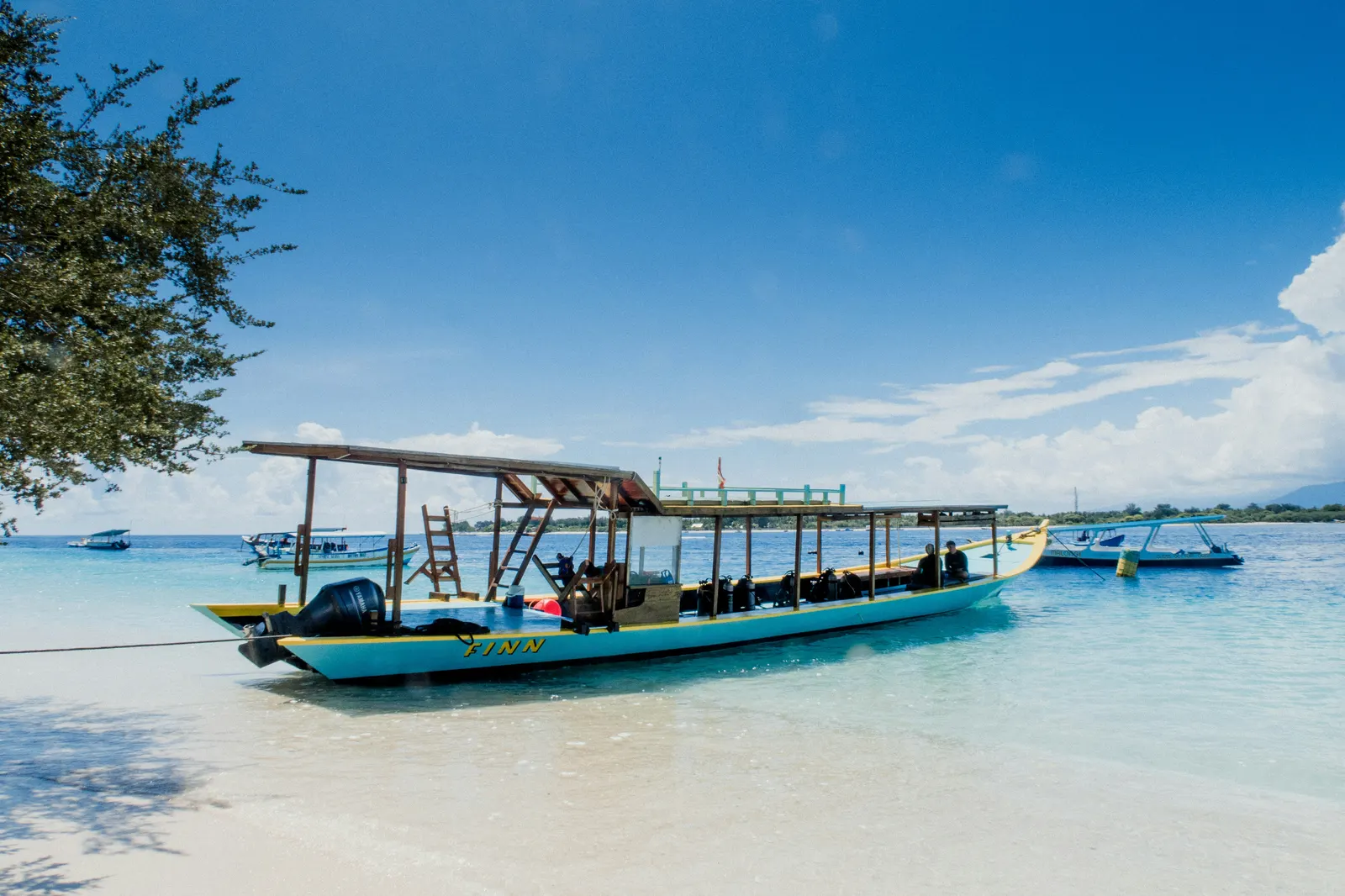
If “Indonesia” in your search brought you here rather than “Bali” alone, the Gili Islands and Lombok are the natural extension. Most sources put the Gilis’ dry season at roughly April/May through October, with rainfall dropping sharply through that stretch. Getting there matters as much as being there: fast boats from Bali’s Padang Bai take roughly 1.5–2 hours, and July–August, while dry, can still bring rougher-than-expected crossings for the same monsoon-wind reasons noted above. If a smooth crossing matters more to you than guaranteed sun, ask your operator about the boat and hull type, not just the company name, and check the day’s forecast rather than relying on the season alone.
When Is the Best Time to Visit Bali for Surfing?
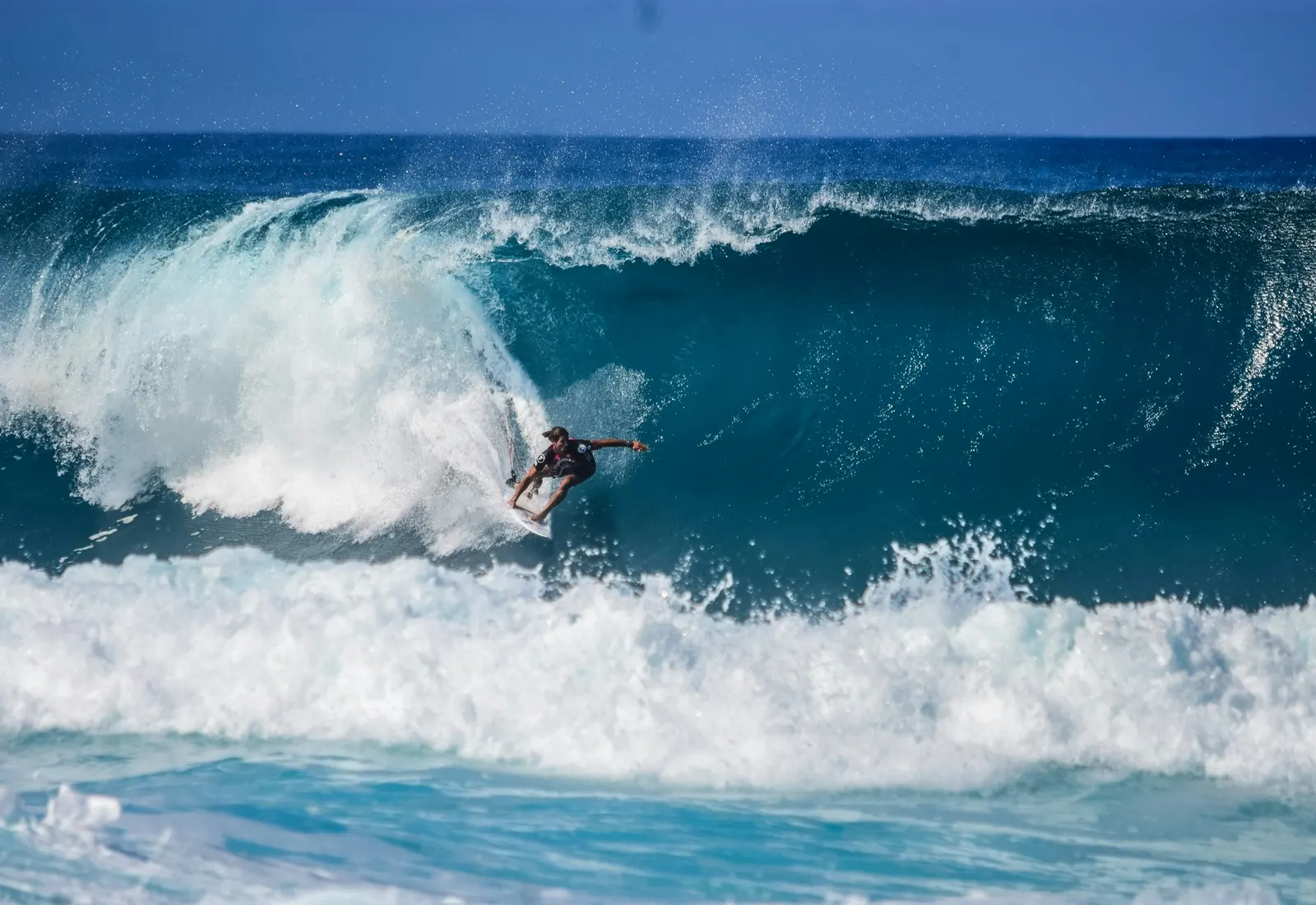
Surf season and the general dry season overlap but aren’t identical, and conditions vary by break. The west coast and Bukit Peninsula — Uluwatu, Padang Padang, Canggu, Bingin — get their biggest, most consistent swells from June to August, powered by the same southeast trade winds that dry out the rest of the island; lineups at Uluwatu get correspondingly crowded. Late March through early June and September through November tend to offer substantial swell with lighter winds and thinner crowds. September–November in particular can still produce good west-coast surf as the peak-season crowds thin, although swell and wind conditions become less predictable than in the June–August core. The east coast flips the calendar: breaks like Keramas and Sanur pick up during the wet season (November–March), when winds that blow onshore in the west turn offshore on the east coast, so a weak surf month on one side of the island is often a strong one on the other.
When Is the Best Time for Diving and Snorkeling in Bali?
Diving conditions track the dry season fairly closely, with one destination-specific window worth flagging. General visibility across Bali’s dive sites — Tulamben’s USAT Liberty wreck, Amed’s coral gardens, Menjangan’s reefs — tends to be best from April through September, when runoff is lowest. At Nusa Penida, manta rays are sighted close to year-round, but the mola mola (oceanic sunfish) that draw divers to Crystal Bay and nearby cleaning stations are most often seen from July through October, when cooler seasonal waters make sightings more likely. Even in that window, sightings depend on conditions and aren’t guaranteed on any given dive, and some sites have strong currents worth checking against your certification level.
Matching Bali to Your Travel Goals
| Your Priority | Typical Window | Why |
|---|---|---|
| First-time visit, general sightseeing | May, June, or September | Usually dry and warm, without July–August’s peak crowds and prices |
| Surfing (west coast) | June–August, or Sept–Nov for fewer crowds | Biggest, most consistent SE-trade swells; Sept–Nov trades some swell size for thinner lineups |
| Diving (mola mola) | July–October | Cold currents bring sunfish up at Nusa Penida — never guaranteed |
| Budget travel | January–February | Often among the cheapest and quietest months, outside the New Year holiday period; March can be affected by Nyepi closures |
| Yoga, wellness, culture | Nearly any month | Ubud’s highland climate is far less season-dependent |
| Island-hopping (Gilis, Lombok, Penida) | April–October | Generally calmer seas and more reliable boat schedules |
What Is Nyepi, and How Does It Change Your Trip?
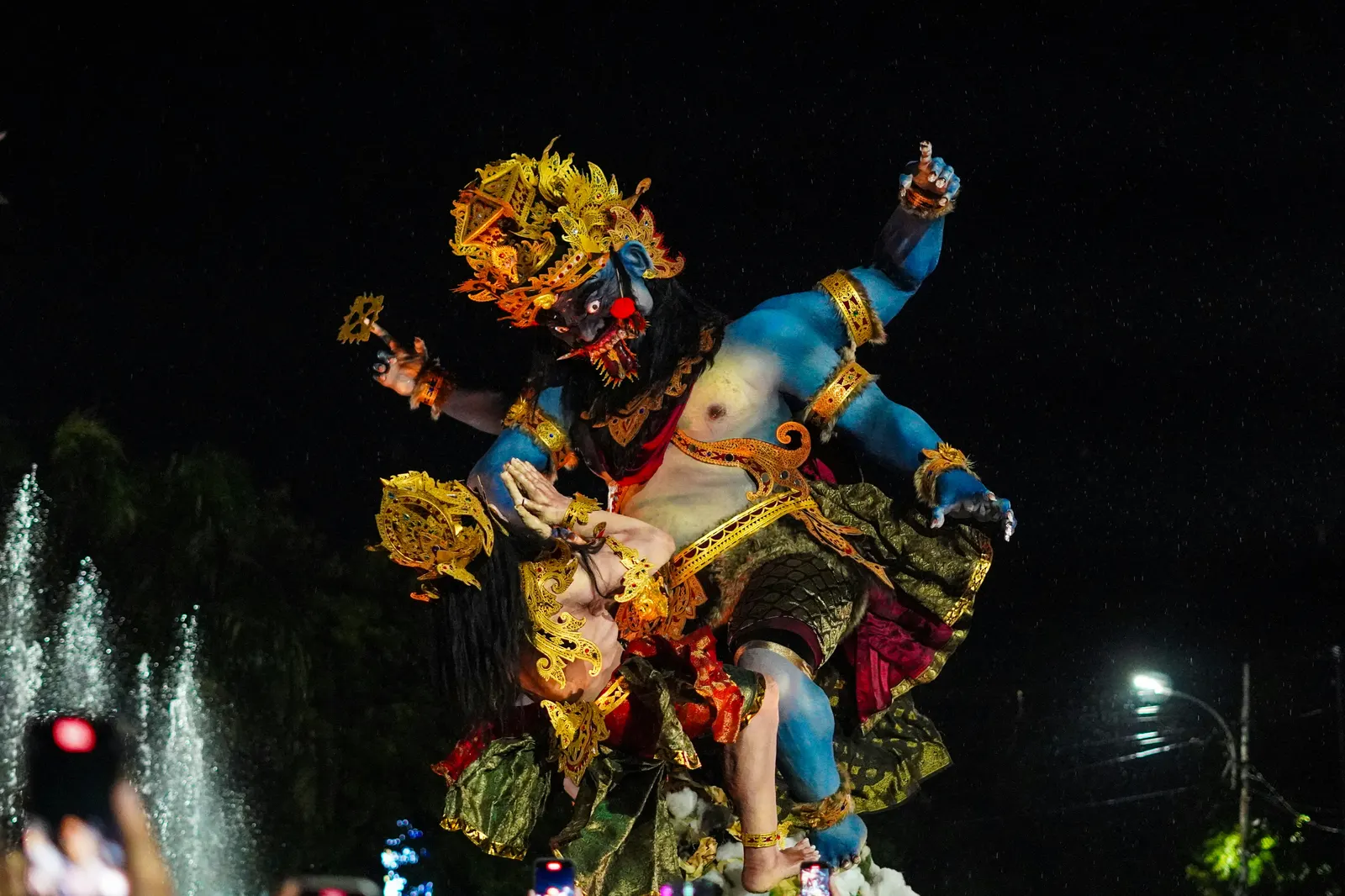
Nyepi — the Balinese Day of Silence — is the one date on the island that overrides every seasonal weather pattern in your planning. For 24 hours, from 6am to 6am the following day, the entire island observes near-total silence: no flights land or depart at Ngurah Rai Airport, no vehicles are allowed on the roads (including for tourists), lights and noise are kept to a minimum even inside hotels, and streets are patrolled by traditional security (pecalang) to enforce the observance. In 2027, Nyepi falls on Monday, March 8, running to 6am on March 9 — confirmed on Indonesia’s official national holiday calendar. It’s still worth reconfirming operational details (flight schedules, hotel arrangements) closer to your travel dates, since arriving or departing on the day itself isn’t possible. The evening before, Sunday, March 7, 2027, is a separate event: villages parade elaborate demon effigies called ogoh-ogoh through the streets before burning them, a spectacle worth timing a trip around if you’re interested in Balinese culture rather than avoiding it. Nyepi itself, by contrast, is the silent day that follows.
What Festivals and Ceremonies Should You Plan Around?
Bali’s ceremonial calendar runs on two overlapping systems — the 210-day Pawukon cycle and the lunar Saka calendar — so most dates shift every year and are worth confirming closer to your travel dates rather than locking in far in advance.
| Event | What It Is | 2027 Timing |
|---|---|---|
| Nyepi (Day of Silence) | Island-wide silence; no flights, no traffic | Monday, March 8 |
| Ogoh-Ogoh Parade | Demon-effigy parade and burning, night before Nyepi | Sunday, March 7 |
| Galungan | Victory of good over evil; family temple visits | Twice yearly, ~210 days apart |
| Kuningan | Closes the Galungan period | 10 days after each Galungan |
| Odalan | Individual temple anniversary ceremonies | Every 210 days, temple-specific |
Galungan and Kuningan in particular are worth experiencing rather than avoiding: streets and home entrances fill with tall bamboo penjor poles, and temples across the island hold elaborate ceremonies — but expect some shops and restaurants in less touristy areas to close for family observances.
Frequently Asked Questions
What is the best month to visit Bali?
May, June, and September are typically the strongest all-round months — dry and warm, without July–August’s peak crowds and prices.
When is Bali’s rainy season?
Roughly November through March, with January typically the wettest month. Rain usually falls in short, heavy afternoon bursts rather than lasting all day, except in January and February, when longer wet stretches are more common.
When is Bali’s dry season?
Roughly April/May through October, with August typically the driest month island-wide. Conditions vary by region — the Bukit Peninsula and Nusa Penida tend to stay drier than Ubud even in wet season.
When is Nyepi in Bali in 2027?
Monday, March 8, 2027, from 6am to 6am the following day, confirmed on Indonesia’s official national holiday calendar. The Ogoh-Ogoh parade takes place the evening before, on Sunday, March 7, 2027.
What is the best time to visit Bali for surfing?
June–August brings the biggest, most consistent west-coast swells (Uluwatu, Padang Padang, Canggu). September–November can still produce good surf with thinner crowds, though conditions get less predictable. The east coast (Keramas, Sanur) picks up during the wet season, November–March.
What is the best time to visit Bali for diving?
April through September for general visibility across most dive sites. For mola mola (ocean sunfish) at Nusa Penida specifically, July through October is the typical window, though sightings are never guaranteed.
What is the best time to visit Bali on a budget?
January–February are often among the cheapest and quietest months, outside the New Year holiday period. March can still carry Nyepi-related disruption, and prices climb again heading into the July–August and December holiday peaks.
So, When Should You Actually Go?
If you only take one thing from this guide: the dry season (April–October) is the safer bet for weather, but the “best” month depends on what you’re trading off. May, June, and September consistently come up as strong all-round choices — typically dry and warm, short of the July–August crowd peak. Surfers get the biggest swells in June–August on the west coast, with September–November as a lighter-crowd alternative. Divers chasing mola mola should aim for July–October at Nusa Penida, while accepting sightings aren’t guaranteed. Budget travelers do best in January–February, once you factor in Nyepi’s early-March disruption and the holiday-season pricing that runs into the first days of January. And regardless of when you land, build Nyepi (Monday, March 8, 2027) into your planning before booking flights — the island shuts down completely, and neither arriving nor departing on the day itself is possible.