Best Time to Visit Croatia: Weather, Crowds & Cost Guide
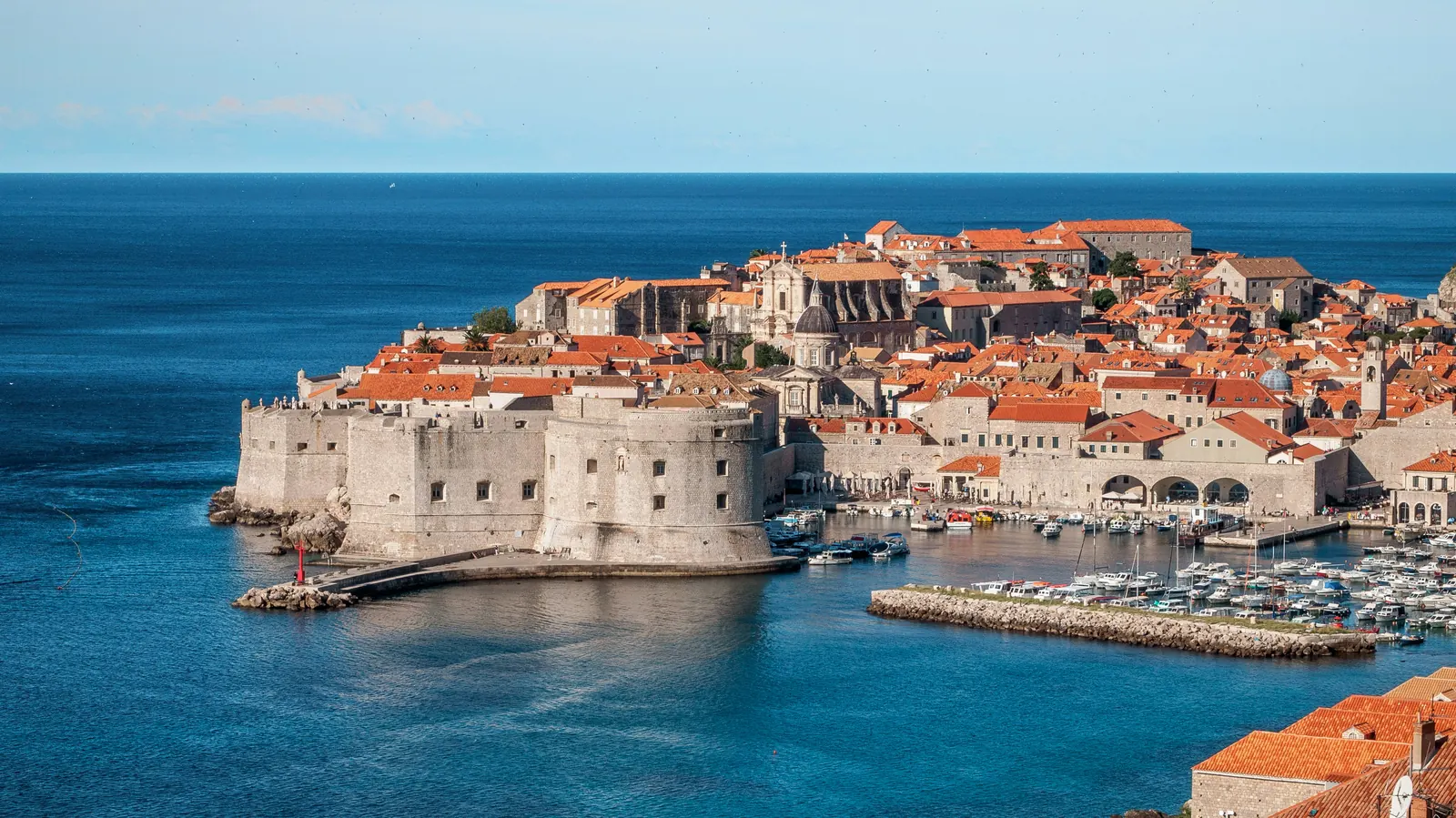
As of 2026, Dubrovnik caps cruise ship arrivals at two per day and manages the number of cruise-related visitors entering the historic centre — and advance booking for the medieval city walls is now strongly recommended during the busy May–October period, particularly on cruise-ship days. Most travelers don’t find out this system exists until they’re standing in a long queue at Pile Gate wondering why. It’s worth knowing before you land, not after.
Definition Block: Croatia stretches along the eastern Adriatic coast, with a Mediterranean climate on the Dalmatian coast and islands, a colder continental climate inland around Zagreb, and a mountainous zone around Plitvice Lakes that gets genuinely cold in winter. Peak season (July–August) brings the hottest, driest weather and the biggest crowds; May, June, and September offer a milder, less crowded alternative.
Dubrovnik Now Caps Visitors — Here’s What That Means for Your Trip
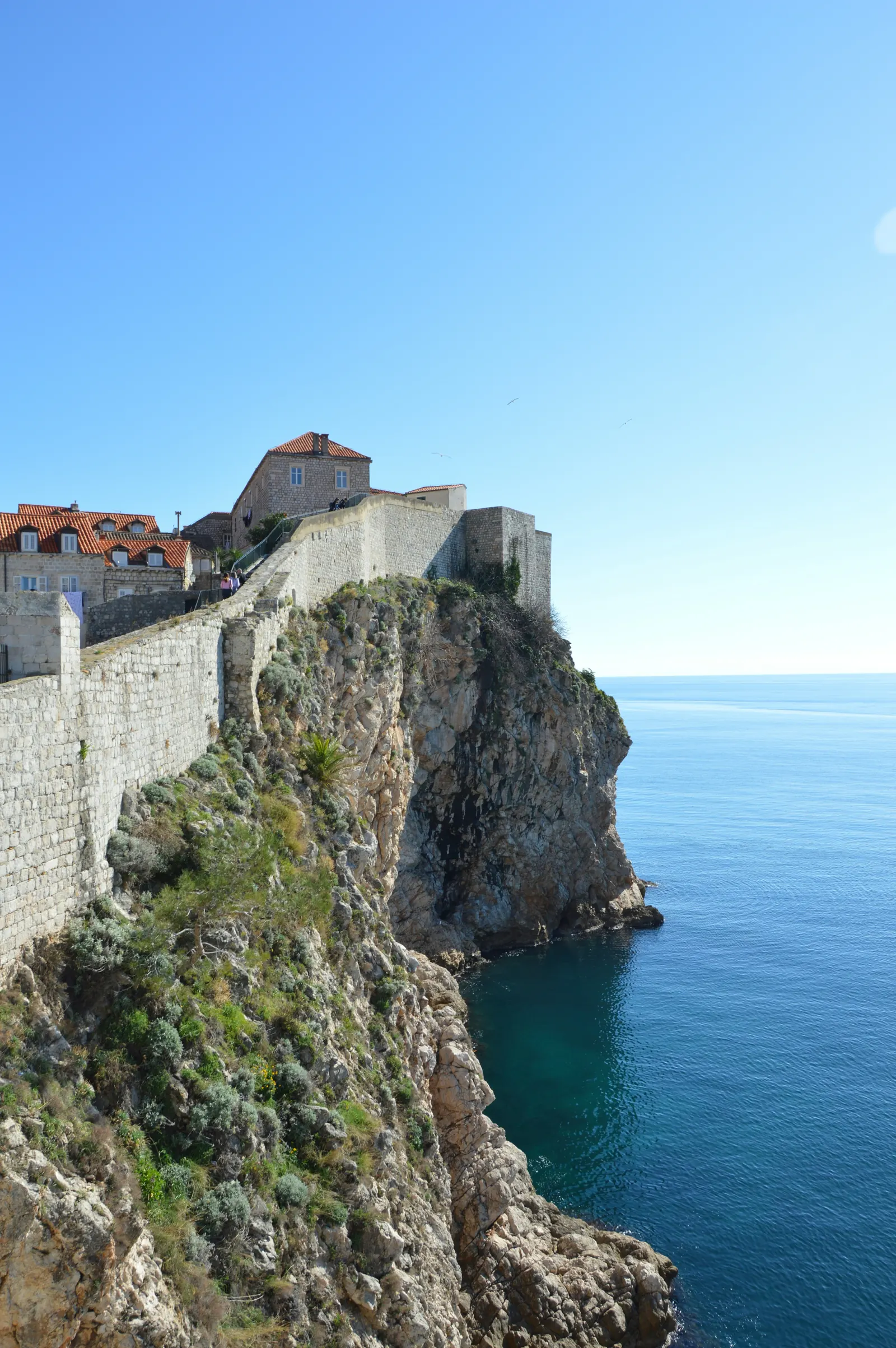
Dubrovnik’s “Respect the City” program, run with the Cruise Lines International Association, limits cruise arrivals to two ships per day, each required to stay docked at least eight hours rather than a quick in-and-out, as part of a broader effort to manage the number of cruise-related visitors entering the historic centre at any one time. Advance booking for the city walls is now strongly recommended during the busy May–October period, particularly on cruise-ship days, rather than relying on the walk-up ticket line. None of this makes Dubrovnik uncrowded — on a day when two or three ships overlap in late morning, the main street (Stradun) can still see thousands of people in a few hundred meters — but it does mean the worst congestion is somewhat more predictable than it used to be. Early morning (before 9am) or evening (after 6pm) entry to the walls, along with checking the day’s cruise schedule in advance, are the two most effective ways to avoid the worst of it.
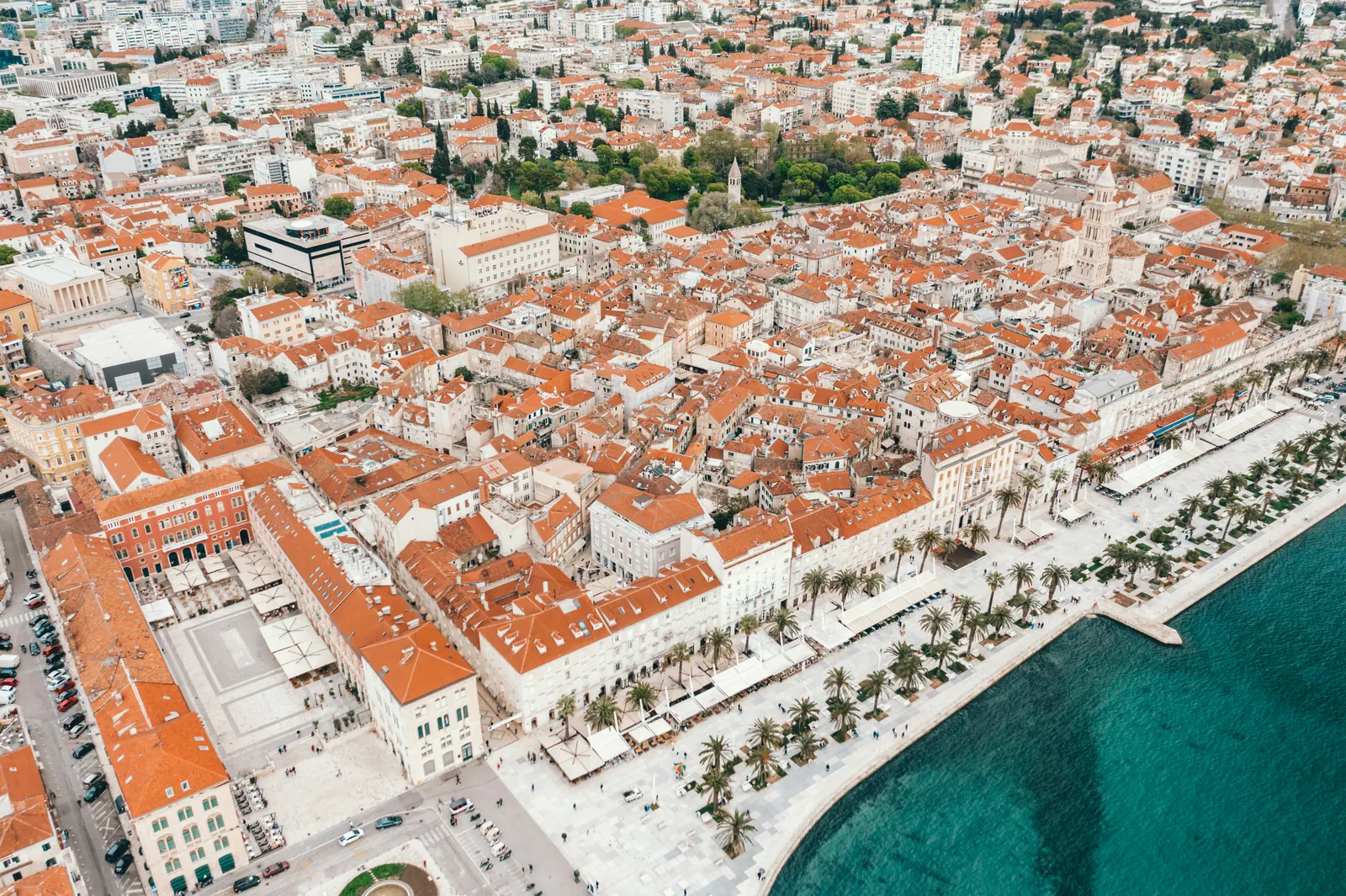
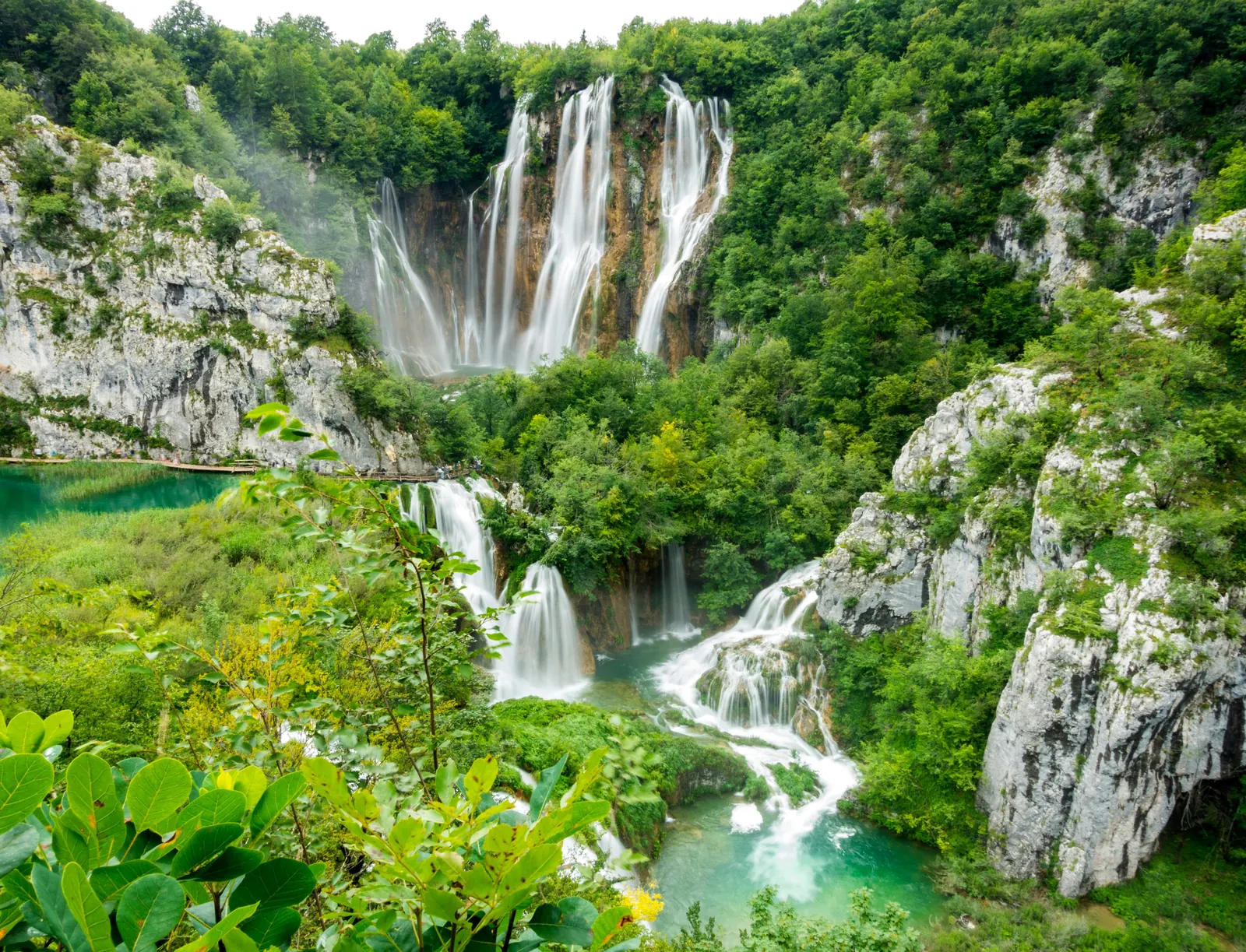
Split and Dubrovnik both see summer highs in the high 20s to around 30°C in July and August, with winters staying relatively mild for Europe — Dubrovnik’s coldest month, January, still averages around 9–10°C. Rainfall on the coast is concentrated from October through December and comparatively light in summer; July is consistently the driest month, while November is typically the wettest. Inland, Zagreb runs meaningfully colder in winter (averaging around 6°C in January versus Dubrovnik’s 9–10°C) and warmer in summer, with a different rainfall pattern driven more by summer thunderstorms than winter fronts. Plitvice Lakes National Park, in the mountainous interior, is the outlier — January daytime highs can sit around 5°C with nights below freezing, and the park genuinely becomes a snow-covered landscape in winter rather than just a cooler version of the coast. Sea temperatures along the Adriatic become comfortable for swimming from June through September, peaking around 25°C in August.
“The Coast” Isn’t One Place — Istria, Kvarner, and the Southern Islands Run on Different Clocks
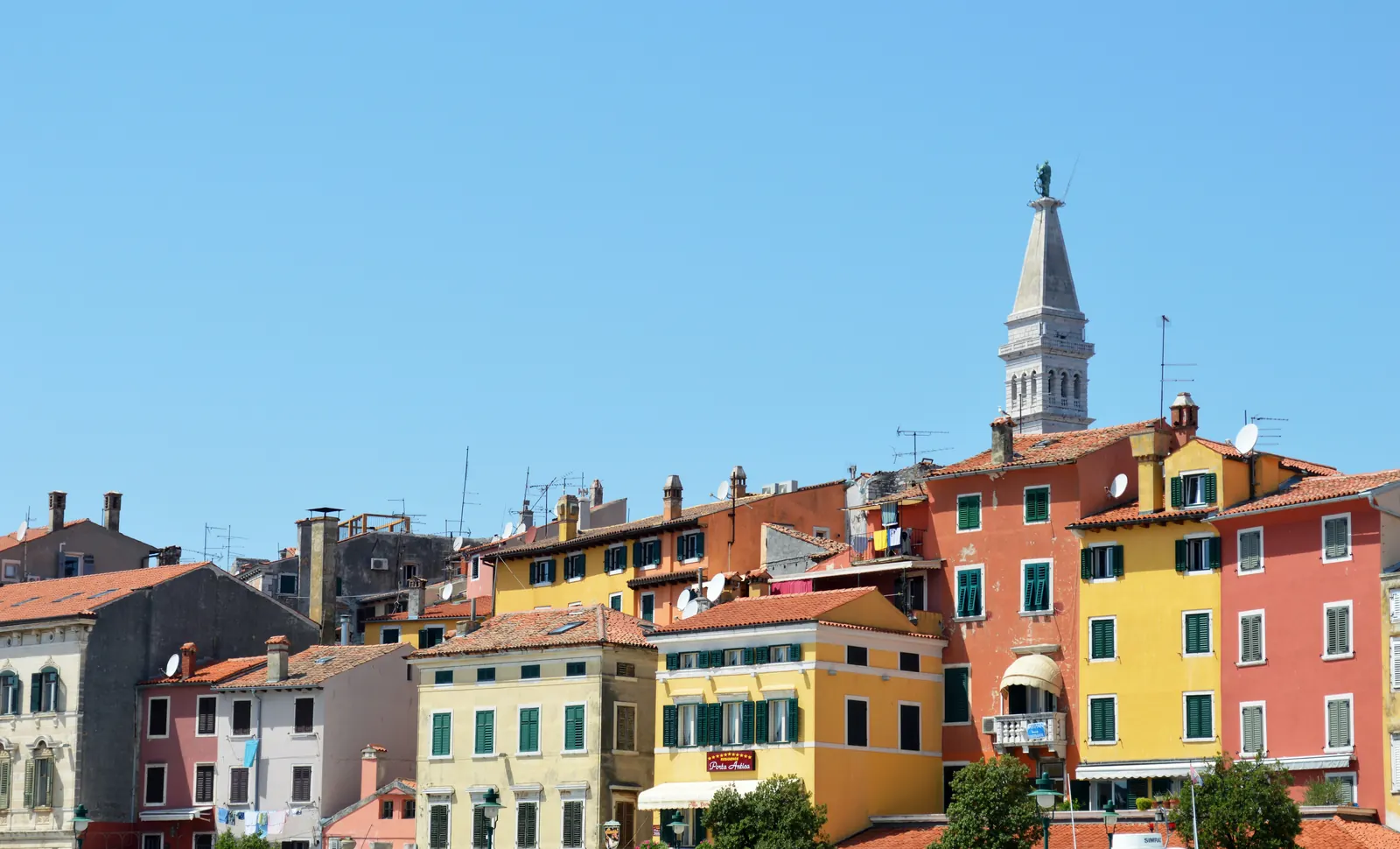
Lumping the entire Adriatic coast together hides some real differences. Istria and the Kvarner Gulf, in the north, run noticeably cooler than Dalmatia further south — Pula’s January average sits around 10°C, and its peak-summer August average tops out closer to 27°C, a shade milder than Dubrovnik’s summer highs. Istria’s swimming season also gets going a little later than Dalmatia’s; if you’re chasing warm water specifically, plan for late June in Istria versus early-to-mid June further south. Istria has its own separate draw beyond beaches: April brings asparagus season, September and October bring truffle season in the interior hill towns around Motovun and Grožnjan, and the Malvazija and Teran wine harvests run alongside it — genuinely worth timing a visit around if food and wine matter more to you than beach weather.
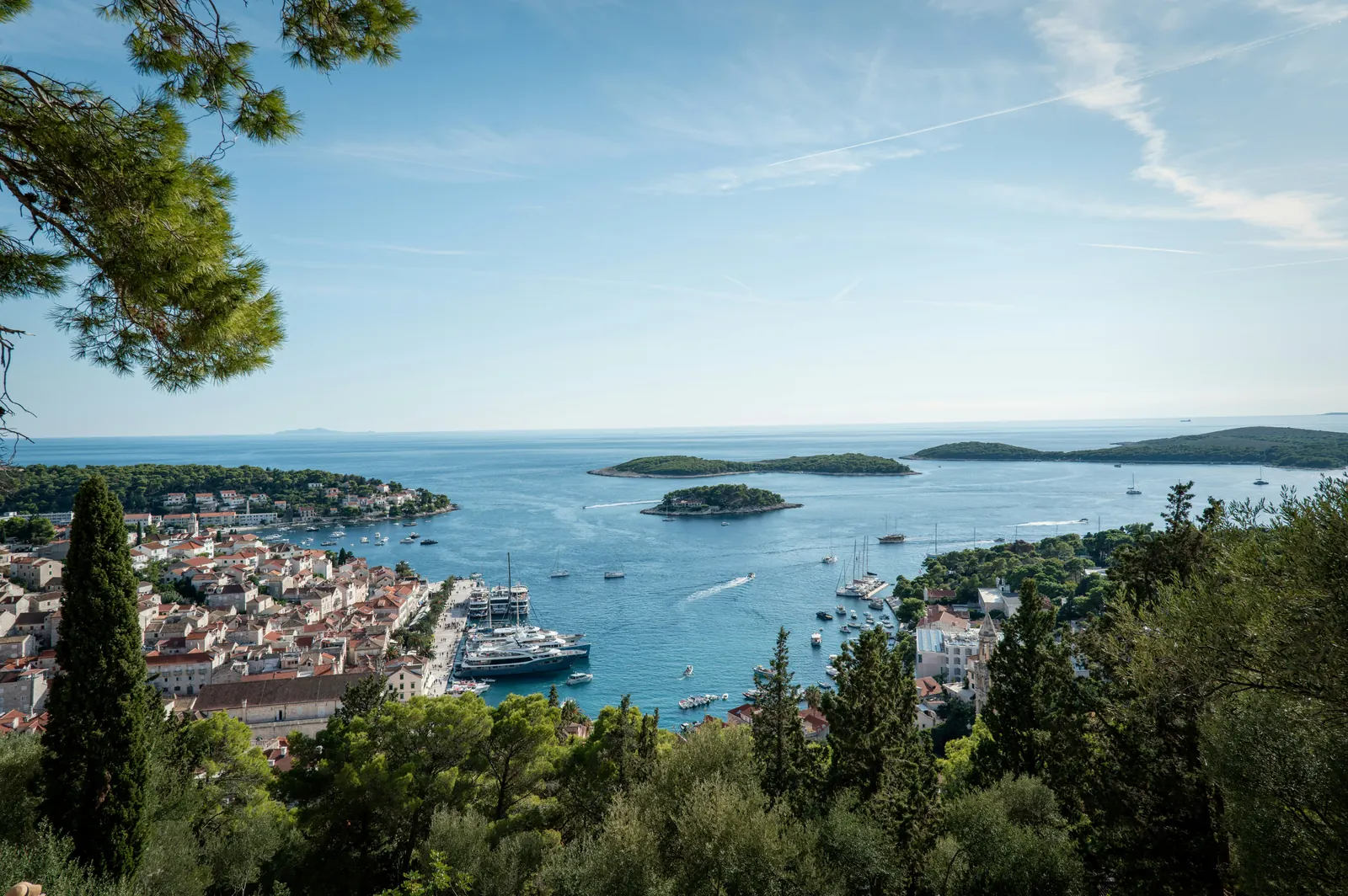
In the south, the sea holds its warmth longer than the calendar suggests — around Dubrovnik, Korčula, and Mljet, some travelers may still find the sea swimmable in early November, weeks after the water has cooled further north, though conditions become increasingly variable and dependent on individual tolerance and that year’s weather. The southern islands also aren’t interchangeable with each other: Hvar is the loud, nightlife-driven, most-visited option and prices accordingly; Korčula (which local tradition claims, without settled historical proof, as Marco Polo’s birthplace, and home to its own walled old town) offers a quieter, more historic alternative with hidden beaches like Pupnatska Luka; Brač, home to the well-known Zlatni Rat beach, leans family-friendly rather than party-oriented; and Vis, the most remote of the group, is the deliberate choice for travelers actively trying to avoid the Hvar crowds. The Pelješac Peninsula, connected to the mainland near Korčula, is Croatia’s other serious wine region, best known for Digač, and shares Istria’s September–October harvest-season appeal.
Krka National Park, often mentioned alongside Plitvice, has its own seasonal quirk worth knowing: it can become very busy in July and August, so booking ahead is sensible during peak periods, and spring or early autumn tend to be both more pleasant and easier to plan around.
Croatia Month by Month: The Numbers Behind “Peak, Shoulder, Off-Season”
The seasonal bands above are useful, but here’s what they actually look like month to month on the coast (using Split and Dubrovnik as the reference points, since Zagreb and the interior run colder in winter and warmer in summer than these figures):
- January–February: Coldest months, averaging around 8–10°C on the coast; sea temperature bottoms out around 13–14°C, far too cold for swimming. Quietest period of the year on the islands.
- March–April: Warming quickly — daytime highs move from the mid-teens into the low 20s°C. Rain is still relatively frequent but easing from the winter peak.
- May: Averages climb into the low-to-mid 20s°C, sea temperature reaches around 19–20°C — some swimmers will find this comfortable, but many travelers will prefer warmer water — and this is when island businesses that closed for winter start reopening.
- June: Highs regularly reach the mid-to-high 20s°C, sea temperature moves into the low-to-mid 20s°C, and this is the first genuinely reliable swimming month.
- July–August: Peak heat, with highs in the high 20s to around 30°C and sea temperature peaking near 25°C in August. Also the driest two months of the year on the coast, and by far the most crowded and expensive.
- September: Still warm (typically low-to-mid 20s°C highs) with sea temperatures holding in the low-to-mid 20s°C for much of the month, but crowds and prices both pull back noticeably from August.
- October: Highs drop into the high teens°C, rain picks up again, and island ferry frequency and business hours both start narrowing.
- November: The wettest month of the year on the Dalmatian coast, with highs typically in the mid-teens°C — though in the far south around Dubrovnik and Korčula, some travelers may still find the sea swimmable into early November, conditions permitting.
- December: Cold and quiet on the coast, but this is when Zagreb’s Advent markets and Dubrovnik’s own winter festival period are in full swing inland and in the cities.
Croatia’s Festival Calendar Is Concentrated in Two Windows: Late June–August, and Winter Advent
Most of Croatia’s biggest festivals cluster into the same window as peak tourist season, which means festival timing and crowd/price timing move together rather than offering an escape from one another. INmusic Festival, Croatia’s largest open-air rock festival, runs June 22–24, 2026 on Zagreb’s Lake Jarun. Ultra Europe, one of Europe’s largest electronic music festivals, takes over Split’s Park Mladeži July 10–12, 2026, with capacity above 100,000 a day and after-parties spilling onto Hvar and the nearby islands. The Dubrovnik Summer Festival — Croatia’s oldest and most prestigious cultural event, running since 1950 — spans July 10 through August 25, 2026 in its 77th edition, staging classical music, opera, and theater (including Shakespeare at Fort Lovrijenac) across the Old Town’s historic venues for a full 47 days; hotel prices in Dubrovnik rise further during this window on top of already-peak summer rates. Inland, Špancirfest transforms Varaždin’s Baroque old town into a ten-day street festival of music, theater, and crafts from August 21–30, 2026.
Winter offers a genuinely different kind of event calendar. Zagreb’s Advent markets run an unusually long stretch, from November 28, 2026 through January 7, 2027, spread across roughly 25 separate markets in the city’s squares and parks — it’s a legitimate reason to visit Croatia in the depths of the coast’s off-season, since the experience has nothing to do with beach weather. Dubrovnik runs its own smaller winter festival period through December, and on February 3 the city celebrates the Feast of St. Blaise, its patron saint, with a procession that’s been held since 972 and was added to the UNESCO Intangible Cultural Heritage list in 2009 — a genuine piece of continuous local tradition rather than a tourist-oriented event, and one of the only times Dubrovnik draws a real crowd outside the summer season.
The Bura Wind Is a Winter Problem, Not a Summer One
If you’ve researched Greek islands, you may already know about the Meltemi, the strong summer wind that disrupts Aegean ferries. Croatia has its own famous wind, the Bura, but it runs on the opposite calendar — it’s strongest in the colder months, roughly October through April, rather than in peak summer. The Bura is a cold, dry, gusty wind that comes off the Velebit mountain range and hits the northern Adriatic hardest, particularly around Senj and the Velebit Channel. When it blows hard, ferries can be cancelled or delayed, and in extreme cases bridges connecting islands like Krk and Pag to the mainland can close entirely, along with sections of the coastal highway. The practical upshot: a summer Croatia trip has essentially no Bura risk, while a shoulder-season or winter trip built around island-hopping should build in flexibility, particularly in the northern Adriatic.
What a Week in Croatia Actually Costs
Croatia adopted the euro as its currency in January 2023, which makes cross-country price comparisons simpler than it used to be. Costs vary enormously by both season and location: hostel dorm beds run roughly €15–20 a night off-season up to €30–40 in peak summer on popular islands and in Dubrovnik, while budget private rooms and guesthouses generally fall in the €70–180 range. Mid-range hotels in Split, Dubrovnik, or Hvar commonly run €180–350 a room per night in peak season, and luxury hotels start around €300 and can exceed €500–600 in the most exclusive coastal spots. Hvar and Dubrovnik are consistently the two most expensive destinations in the country; inland and secondary coastal cities like Zadar, Šibenik, and much of Istria tend to run 30–40% cheaper for a broadly comparable quality of stay. A daily food-and-drink budget of roughly €40–55 per person covers a reasonable mix of casual and sit-down meals; fine dining in Dubrovnik or Michelin-recognized restaurants runs well beyond that.
| Tier | Split / Zadar / Inland | Dubrovnik / Hvar |
|---|---|---|
| Hostel dorm | €15–25/night | €25–40/night (peak) |
| Budget private room | €60–120/night | €100–180/night |
| Mid-range hotel | €120–220/night | €180–350/night |
| Luxury hotel | €220–400/night | €300–600+/night |
These are illustrative planning ranges rather than fixed rates — actual prices shift by exact dates, booking window, and specific property. Choosing Split or Zadar over Dubrovnik or Hvar, or visiting in June/September instead of July/August, are the two biggest levers for cutting a Croatia budget.
How prices move month to month:
- January–March: Lowest prices of the year across every accommodation tier, but also the fewest open businesses on the islands — savings come with real trade-offs in what’s actually available.
- April–May: Rates start climbing from winter lows as island businesses reopen, but are still well below summer peak — widely considered the best value-to-experience ratio of the year.
- June: Prices step up again as the swimming season becomes reliable, though still meaningfully cheaper than July–August.
- July–August: The most expensive stretch of the year across the board — accommodation, ferries, and restaurant prices all peak, compounded further in Dubrovnik by Summer Festival demand.
- September: Rates can drop 30–40% from August in some destinations within just a few weeks, while the weather and sea temperature barely change — arguably the single best value shift in the Croatian calendar.
- October: Prices continue easing, though island ferry schedules and business hours narrow enough that some savings come with reduced options rather than genuine deals.
- November–December: Coastal prices bottom out again, while Zagreb’s Advent season pushes inland city prices up in the opposite direction from the coast.
How Croatia Compares to Greece, Italy, and Montenegro
| Destination | Best Months | Vibe | Value |
|---|---|---|---|
| Croatia | May–Jun, Sep | Walled cities, Dalmatian coast, fewer ancient ruins than Greece | Wide range — cheap inland, expensive Dubrovnik/Hvar |
| Greece | May–Jun, Sep | Ancient sites, island-hopping, stronger culinary tradition | Often similar to mid-tier Croatia |
| Italy | Apr–Jun, Sep–Oct | Art, cuisine, denser historic cities | Often pricier than Croatia overall |
| Montenegro | May–Jun, Sep | Smaller-scale version of the Dalmatian coast, less developed | Often cheaper than Croatia overall |
If Dubrovnik and Hvar’s prices and crowds are the issue rather than Croatia itself, Montenegro’s Bay of Kotor offers a similar walled-town-on-the-Adriatic experience at generally lower cost and with far fewer visitors — worth considering as an add-on or an alternative.
If Croatia is one stop on a longer European trip, our guides to the best time to visit Portugal, the best time to visit Switzerland, and the best time to visit Iceland cover three very different climates worth planning around before you lock in dates.
Which Month Is Best Depends on What You’re Optimizing For
There’s no single best month for every traveler — it splits by what you’re actually prioritizing:
- Strongest overall balance of weather, crowds, and price: late May–June or September
- Most reliable hot, dry beach weather: July–August
- Avoiding Bura wind and ferry disruption risk: May through September, well outside the October–April window
- Lower prices in Dubrovnik and Hvar specifically: September, when rates can drop 30–40% from August
- Winter charm and Christmas markets: December, focused on Zagreb and inland Croatia rather than the coast
- Fewer cruise-ship crowds in Dubrovnik: outside July–August, and ideally avoiding days with multiple ships in port
May–June and September offer the strongest all-around combination for many travelers: warm weather, meaningfully fewer crowds and cruise ships than the July–August peak, and generally good ferry connectivity while the main season is still running. If Zagreb’s Christmas markets or guaranteed swimming weather matter more to you than that balance, they’re reasonable trade-offs against a “best overall” answer.
Frequently Asked Questions
Do I need to book Dubrovnik’s city walls in advance?
It’s strongly recommended rather than strictly mandatory as of 2026, particularly during the busy May–October period and on days with multiple cruise ships in port. Arriving right at the 8am opening remains the best way to beat both crowds and heat regardless.
Is Croatia affected by the same kind of wind disruption as Greek ferries?
Yes, but on a different calendar. The Bura wind is strongest roughly October through April, so it’s largely a non-issue for a typical summer trip, unlike Greece’s Meltemi, which peaks in July and August.
Is Croatia cheaper than Greece?
It depends entirely on where in each country you’re comparing — Dubrovnik and Hvar can rival Santorini and Mykonos in price, while Split, Zadar, and inland Croatia are often comparable to or cheaper than the Greek mainland.
When are Dubrovnik’s cruise crowds worst?
Peak cruise season runs July through early September, and the worst days are when two or three ships overlap in late morning. Checking the day’s published cruise schedule in advance is the most reliable way to plan around it.
Is Plitvice Lakes worth visiting outside summer?
Yes, for a different reason — the park turns into a snow-covered landscape in winter rather than just being a cooler version of its summer self, and it draws far fewer visitors than during the July–August peak.
Do Croatia’s big festivals make peak season more crowded, or offer an alternative to it?
More crowded — INmusic, Ultra Europe, and the Dubrovnik Summer Festival all fall within June through August, the same window as peak tourist season, so they add to the crowds and pricing rather than providing an off-peak alternative. Zagreb’s Advent markets (late November through early January) are the one major exception, offering a genuinely different, much quieter experience outside the summer season.