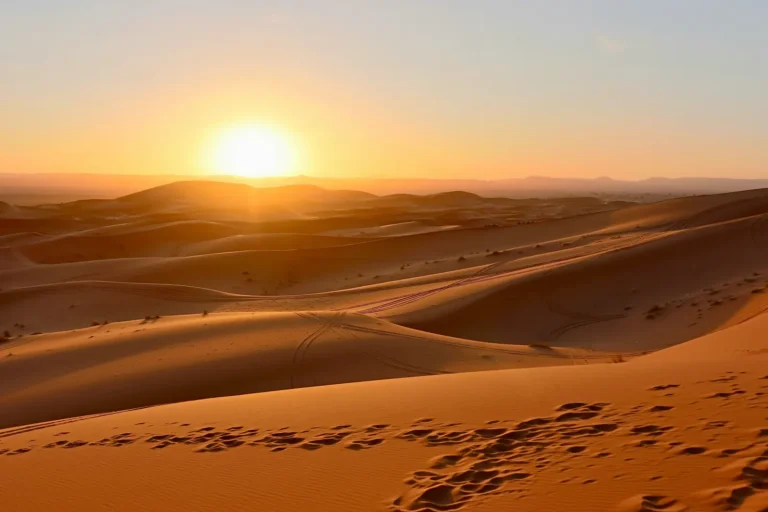
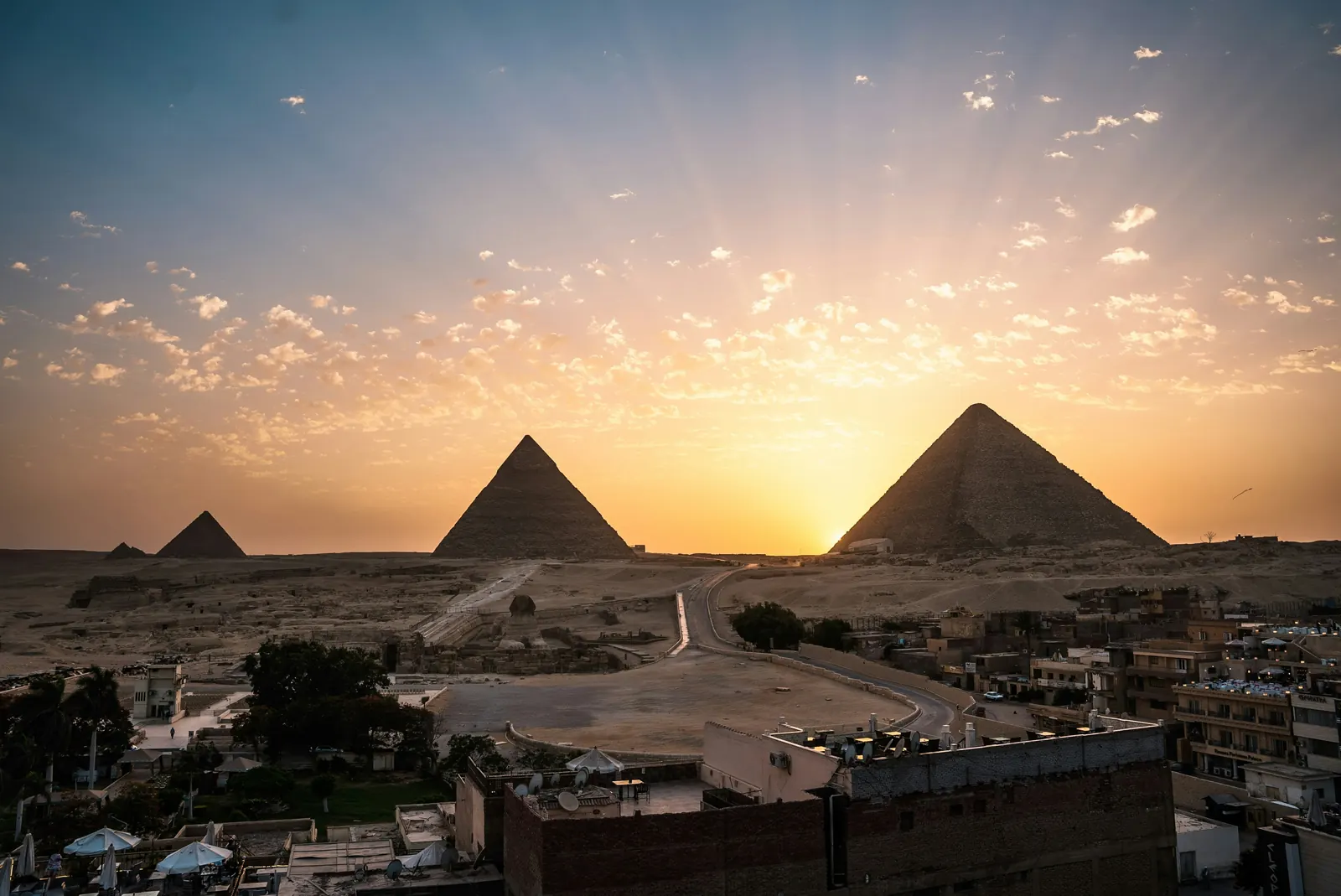
Best Time to Visit Egypt: Month-by-Month Guide (2027)
The best time to visit Egypt is November to February, when average highs in Cairo, Luxor and Aswan stay between roughly 19°C and 30°C. March, April and October work with early starts; May to September is too hot inland.
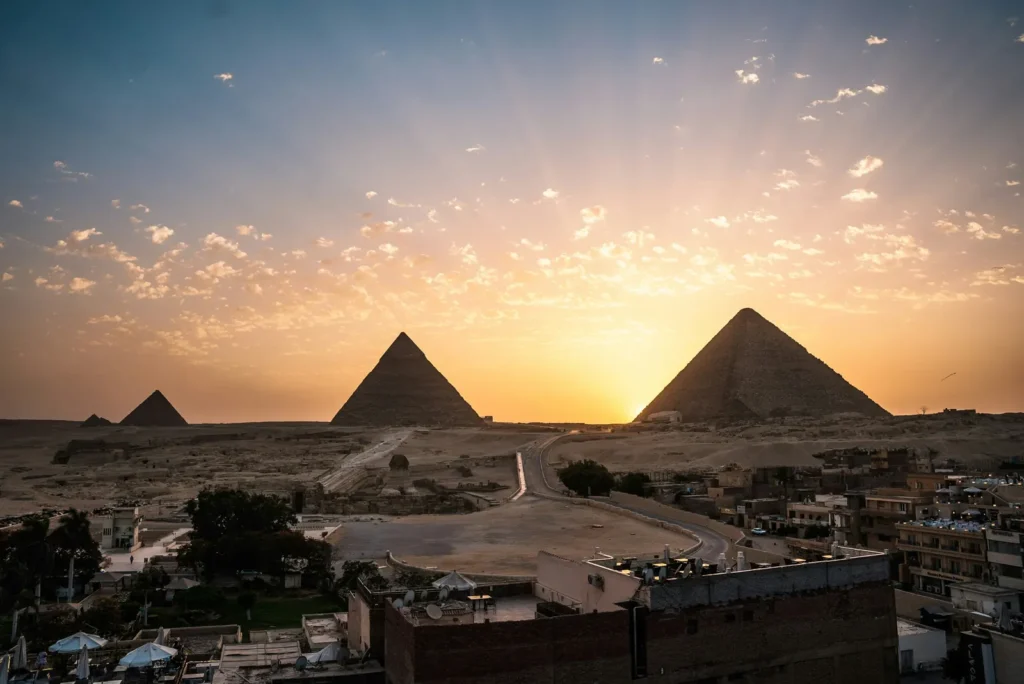
Egypt has almost no weather in the usual sense. Cairo gets roughly an inch of rain (about 25 mm) in a typical year, and Luxor goes most years with virtually none, so the real question is not wet versus dry but how much heat you are willing to spend on a day of sightseeing. In Luxor, the average January afternoon is about 23°C (73°F); by July the average is about 41°C (106°F), and a morning at Karnak at the second number is a different trip from the first. Picking the best time to visit Egypt means deciding which Egypt you are visiting: the Nile Valley, where winter is the season, or the Red Sea coast, where the sea stays swimmable all year.
Quick Answer: Best Time to Visit Egypt by Priority
- Best overall (temples, pyramids, Nile cruises): November to February, when Luxor averages 23–29°C and Aswan 23–30°C.
- Workable with early starts: March in the south (Luxor 30°C, Aswan 30°C); April and October are hot in Upper Egypt (35–36°C), so plan sightseeing at dawn.
- Best for Red Sea diving: March to May and September to November, though the sea stays at about 22°C or warmer all year.
- Warmest Red Sea water for swimming: June to September, about 26–29°C, though Hurghada air highs reach 35–37°C.
- Best for lower prices: June to September, built around the coast rather than Luxor and Aswan.
- Avoid for Luxor and Aswan sightseeing: May to September, when average highs run 39–42°C.
- Best for Sinai and the Western Desert: October to April.
When Is the Best Time to Visit Egypt Overall?
The most comfortable window is November to February, when Cairo’s average highs run 19–25°C and the south stays at 23–30°C, warm enough for full days outdoors without heat stress. Many tour operators describe the season as October to April, but the temperature data say it is more nuanced: in Luxor the average October high is still about 35°C, and it only falls to about 29°C in November, so the heat in the south truly breaks in November, not October.
That makes the year easy to read. November through February is the core season. March is comfortable in the south but can bring dust. April and October are hot in Upper Egypt but fine on the coast and in Cairo. May through September belongs to the Red Sea unless you are prepared to sightsee before 9 a.m. and hide indoors until evening.
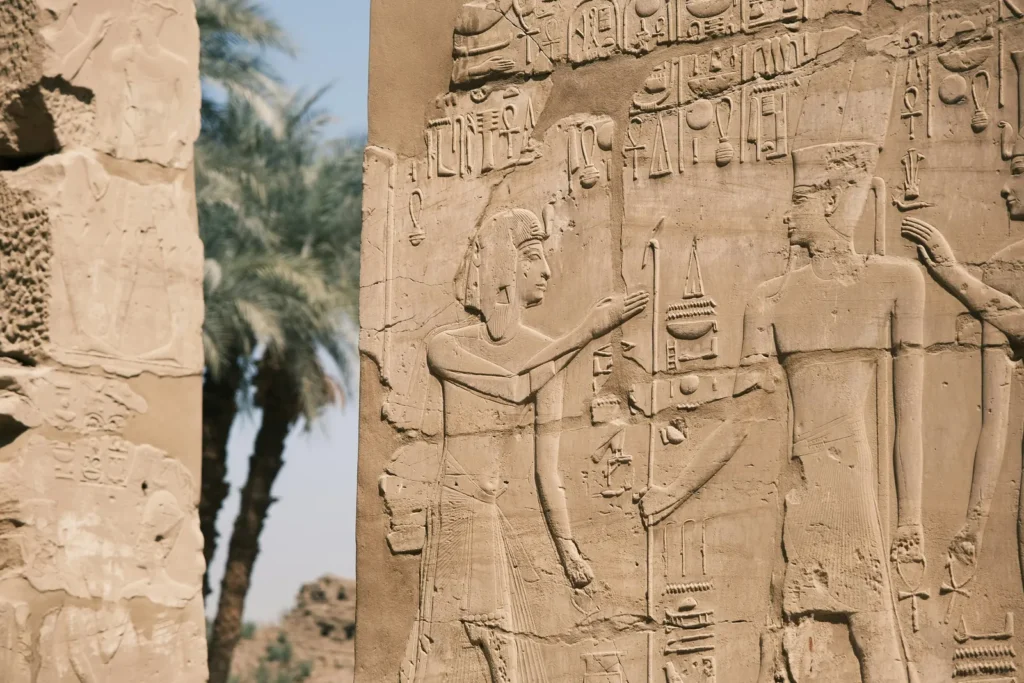
What Is the Weather in Egypt Month by Month?
Egypt’s weather runs from mild winters (Cairo averages 19°C in January) to extreme inland summers (Luxor and Aswan average 41–42°C), while the Red Sea stays at about 22°C or warmer all year. The table below shows average daily highs, rounded to the nearest degree. Cairo is in the north, Luxor and Aswan are far south along the Nile, and Hurghada represents the Red Sea coast, with its average sea temperature in the last column.
| Month | Cairo | Luxor | Aswan | Hurghada (air) | Hurghada (sea) |
|---|---|---|---|---|---|
| Jan | 19°C (66°F) | 23°C (73°F) | 23°C (73°F) | 22°C (72°F) | 23°C (73°F) |
| Feb | 21°C (70°F) | 25°C (77°F) | 26°C (79°F) | 23°C (73°F) | 22°C (72°F) |
| Mar | 24°C (75°F) | 30°C (86°F) | 30°C (86°F) | 26°C (79°F) | 22°C (72°F) |
| Apr | 28°C (82°F) | 35°C (95°F) | 35°C (95°F) | 30°C (86°F) | 23°C (73°F) |
| May | 32°C (90°F) | 39°C (102°F) | 39°C (102°F) | 34°C (93°F) | 24°C (75°F) |
| Jun | 35°C (95°F) | 41°C (106°F) | 42°C (108°F) | 36°C (97°F) | 26°C (79°F) |
| Jul | 35°C (95°F) | 41°C (106°F) | 42°C (108°F) | 37°C (99°F) | 28°C (82°F) |
| Aug | 35°C (95°F) | 41°C (106°F) | 42°C (108°F) | 37°C (99°F) | 29°C (84°F) |
| Sep | 33°C (91°F) | 39°C (102°F) | 40°C (104°F) | 35°C (95°F) | 28°C (82°F) |
| Oct | 30°C (86°F) | 35°C (95°F) | 36°C (97°F) | 32°C (90°F) | 27°C (81°F) |
| Nov | 25°C (77°F) | 29°C (84°F) | 30°C (86°F) | 28°C (82°F) | 25°C (77°F) |
| Dec | 21°C (70°F) | 24°C (75°F) | 24°C (75°F) | 24°C (75°F) | 24°C (75°F) |
Figures are rounded averages of daily highs from the WMO 1991–2020 climate normals (via NOAA) for Cairo, Luxor, Aswan and Hurghada airport stations. Sea temperatures come from separate sources. Individual sources can differ by 1–2°C.
How Hot Does Egypt Really Get?
In summer, Upper Egypt is extremely hot. Luxor’s average high is about 41°C from June to August, and one long-term station-record table puts the hottest days at about 48°C in Luxor and 47°C in Aswan. The air is also very dry: Aswan’s average relative humidity is only around 16% in June, so shade helps noticeably, but direct sun on stone is punishing, and dehydration is the main risk.
Cairo and the Red Sea coast are cooler in summer than the deep south, with average highs of about 35°C in Cairo and 36–37°C in Hurghada. Winter has its own surprise: desert nights are cold. Luxor’s January lows average about 7°C and Cairo’s about 10°C.
Average night-time lows, November to March (WMO 1991–2020 normals, airport stations):
| Station | Nov | Dec | Jan | Feb | Mar |
|---|---|---|---|---|---|
| Cairo | 16°C (61°F) | 12°C (54°F) | 10°C (50°F) | 11°C (52°F) | 13°C (55°F) |
| Luxor | 13°C (55°F) | 9°C (48°F) | 7°C (45°F) | 9°C (48°F) | 13°C (55°F) |
| Aswan | 16°C (61°F) | 11°C (52°F) | 10°C (50°F) | 12°C (54°F) | 15°C (59°F) |
| Hurghada | 18°C (64°F) | 13°C (55°F) | 12°C (54°F) | 12°C (54°F) | 15°C (59°F) |
When Should You Switch From the Nile to the Red Sea?
From about May to September, the sensible plan moves from the Nile Valley to the coast, because Luxor and Aswan average 39–42°C while Hurghada’s average highs are a few degrees lower and the sea is warm enough to be the point of the trip. The table shows the handoff month by month; the verdicts are our editorial reading of the temperature data above.
| Month | Nile Valley sightseeing | Red Sea (Hurghada) | Suggested base |
|---|---|---|---|
| Jan | Excellent. Cool mornings (Luxor lows around 7°C) | Mild air, sea about 23°C | Cairo + Luxor + Aswan |
| Feb | Excellent. Abu Simbel sun alignment around Feb 22 | Among the coolest sea temperatures of the year (about 22°C) | Cairo + Luxor + Aswan |
| Mar | Good in the south (Luxor 30°C); khamsin dust days possible | Warming; diving high season begins | Nile Valley first, coast after |
| Apr | Hot in the south (Luxor 35°C, Aswan 35°C); start at dawn; khamsin peaks | Very good; diving high season | Coast, with early-morning Cairo |
| May | Too hot for midday in Luxor and Aswan (39°C) | Hot but workable; diving high season ends | Red Sea |
| Jun | Extreme (41–42°C) | Hot air (36°C), sea 26°C | Red Sea |
| Jul | Extreme (41–42°C) | Hot air (37°C), sea 28°C | Red Sea |
| Aug | Extreme (41–42°C) | Warmest sea of the year (about 29°C) | Red Sea |
| Sep | Still extreme (39–40°C) | Sea 28°C; autumn diving season starts | Red Sea |
| Oct | Hot but easing (Luxor 35°C, Aswan 36°C); Abu Simbel alignment around Oct 22 | Sea 27°C; autumn diving season | Mix, with early starts in the south |
| Nov | The heat breaks: Luxor 29°C, Aswan 30°C | Air 28°C, sea 25°C | Cairo + Luxor + Aswan |
| Dec | Excellent; peak season begins | Mild air, sea 24°C | Cairo + Luxor + Aswan |
When Is the Best Time to Visit Cairo and the Giza Pyramids?
The best time to visit Cairo is November to March, when average highs run 19–25°C. Cairo is cooler than Luxor and Aswan all year, but its summer highs still reach about 35°C from June to August, and the pyramids are open-air with little shade.
Cairo also has a heat-day backup: the Grand Egyptian Museum, about 2 km from the Giza pyramids, held its grand opening on November 1, 2025 and opened to the public on November 4, 2025. It is air-conditioned and holds more than 100,000 artifacts, including the complete Tutankhamun collection. Check the museum’s official site for current hours and ticketing before you go.
When Is the Best Time to Visit Luxor and Aswan?
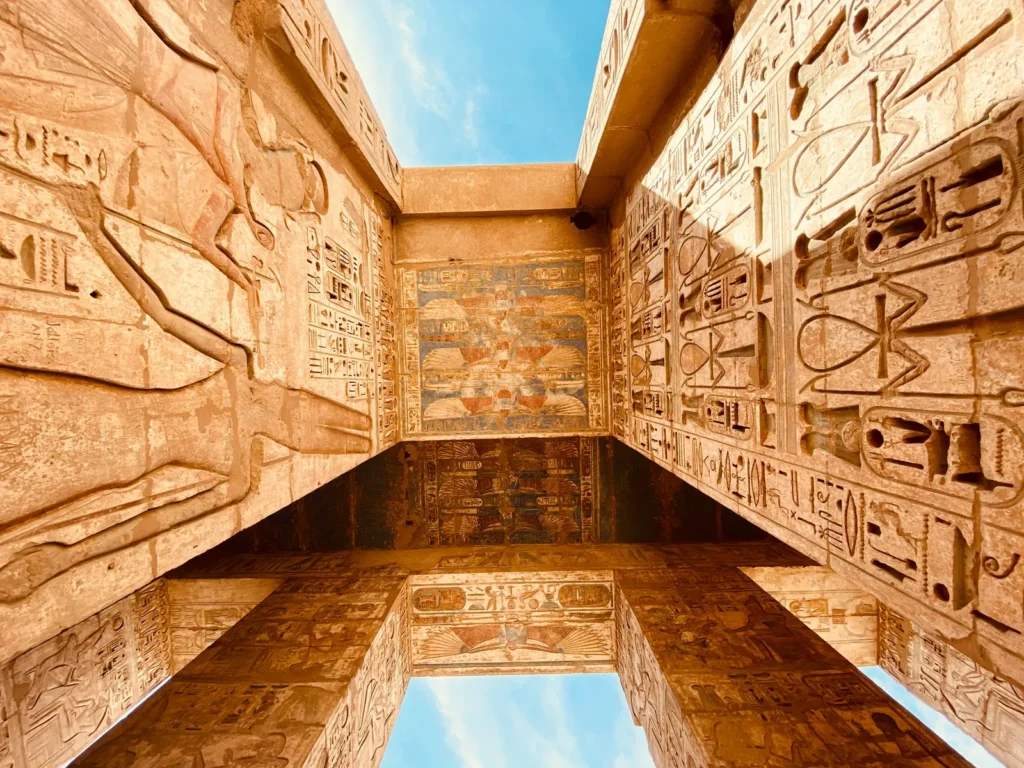
The best time to visit Luxor and Aswan is November to February, when Luxor’s highs are 23–29°C and Aswan’s are 23–30°C. In May through September the averages run 39–42°C, which is why most visitors treat the south as a winter destination.
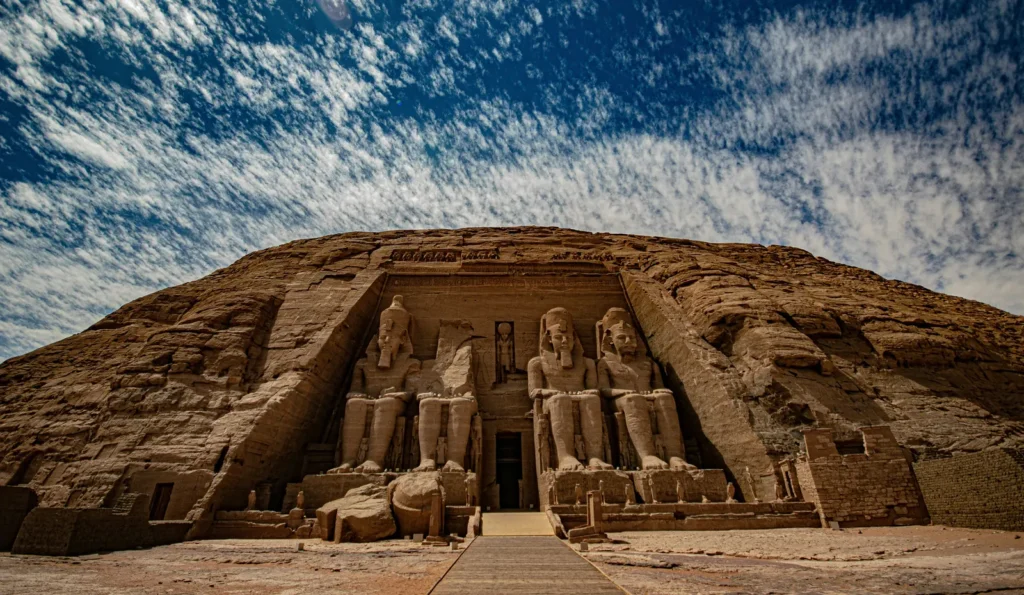
Aswan is also the gateway to Abu Simbel, roughly a three-and-a-half-hour drive away. Twice a year, around February 22 and October 22, the rising sun reaches the inner sanctuary of the Great Temple and lights three of the four seated statues, leaving Ptah in shadow. Popular explanations link the dates to Ramesses II’s coronation and birthday, though nothing is confirmed. The illumination is brief and the crowds are large, so plan on a very early start and consider that the temple is also well worth seeing on any other day.
What Is the Best Time for a Nile Cruise?
The main Nile cruise season runs from October to April, with the busiest period from November or December through February. Cruises between Luxor and Aswan do operate year-round, but summer deck time and temple visits are much less comfortable, and operators often discount in the hot months.
A standard southbound cruise from Luxor lasts about four days and three nights and typically includes the Valley of the Kings, Karnak, Edfu and Kom Ombo before reaching Aswan. Book early for December to February and especially for Christmas and New Year; the Nile Valley is also in our guide to warm places to visit in December.

When Is the Best Time to Visit the Red Sea (Hurghada, Sharm El Sheikh, Marsa Alam)?
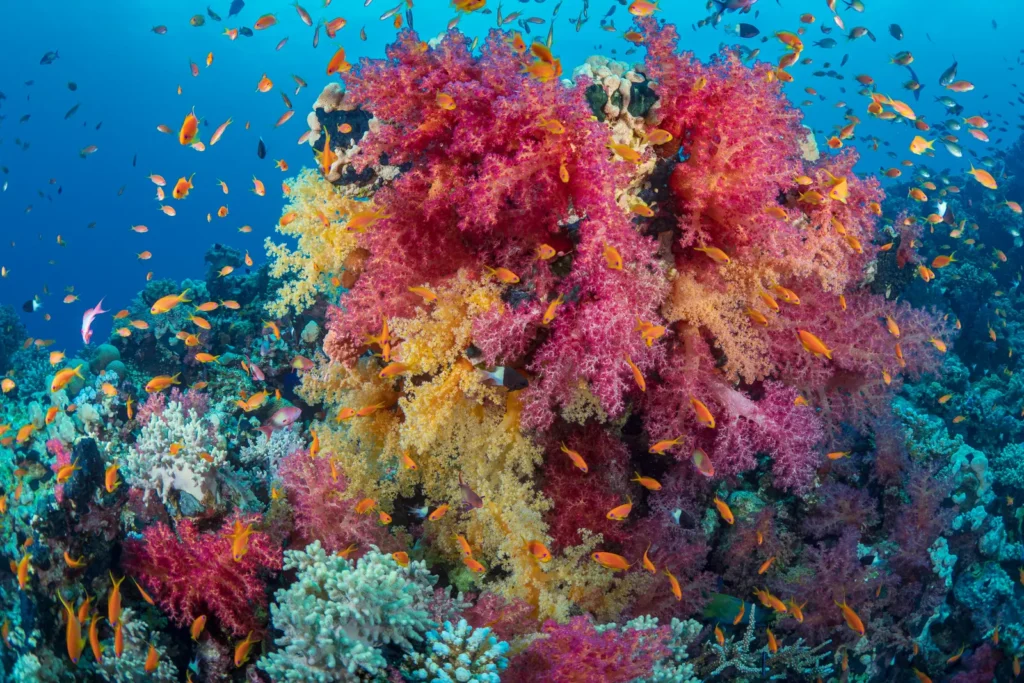
The Red Sea can be visited all year, because Hurghada’s monthly average sea temperature never falls below about 22°C and peaks near 29°C in August. For diving, PADI Travel names March to May and September to November as the best windows, while June to August is the low season for the dive industry, when the air is uncomfortably hot. The calendar below summarizes what PADI Travel and Hurghada climate data show.
| Season | Hurghada sea temperature | What PADI Travel and dive operators highlight | Crowds and prices |
|---|---|---|---|
| Dec–Feb | About 22–24°C (among the coolest of the year) | Water at its coolest; PADI Travel names this the best window for oceanic whitetip sharks | Quieter for divers; busy for culture-focused tourism |
| Mar–May | About 22–24°C | Air and water both moderate; best window for whale sharks, especially in the northern Red Sea | High season for diving |
| Jun–Aug | About 26–29°C (warmest of the year) | Hammerheads are most likely June–September; outdoor air temperatures are uncomfortable | Low season for diving; best liveaboard deals |
| Sep–Nov | About 25–28°C, cooling | Comfortable air and sea; best window for thresher sharks | High season for diving again |
Marine-life timing is a tendency rather than a promise, so confirm current conditions with your operator. Many of Egypt’s best-known sites, including the SS Thistlegorm, the Straits of Tiran, the Brothers and Ras Mohammed Marine Reserve, are reached by liveaboard from Hurghada, Sharm El Sheikh, Marsa Alam or Safaga, and some liveaboards require a minimum number of logged dives or an advanced certification.
When Is the Best Time to Visit Alexandria and the Mediterranean Coast?
Spring and autumn are the most comfortable times for the Mediterranean coast, though its climate is gentler than the deep south all year. Alexandria’s winter highs are roughly 16–20°C and its summer highs about 30°C, and the coastal strip is the wettest part of Egypt, with roughly 100–200 mm of rain a year, mostly between November and March. Cairo, by comparison, averages about 25 mm. Humidity is higher on the coast in summer, and Alexandria can feel muggy in August.
When Is the Best Time to Visit Sinai and Mount Sinai?
The best time to visit Mount Sinai is October to April, when the climb is manageable. At 2,285 metres, the summit gets cold: most hikers start around midnight to reach the top for sunrise, and temperatures can approach freezing before dawn. Snow falls in the Sinai mountains in many winters, and St Catherine’s winter daytime highs sit around 10–15°C, according to one climate source.
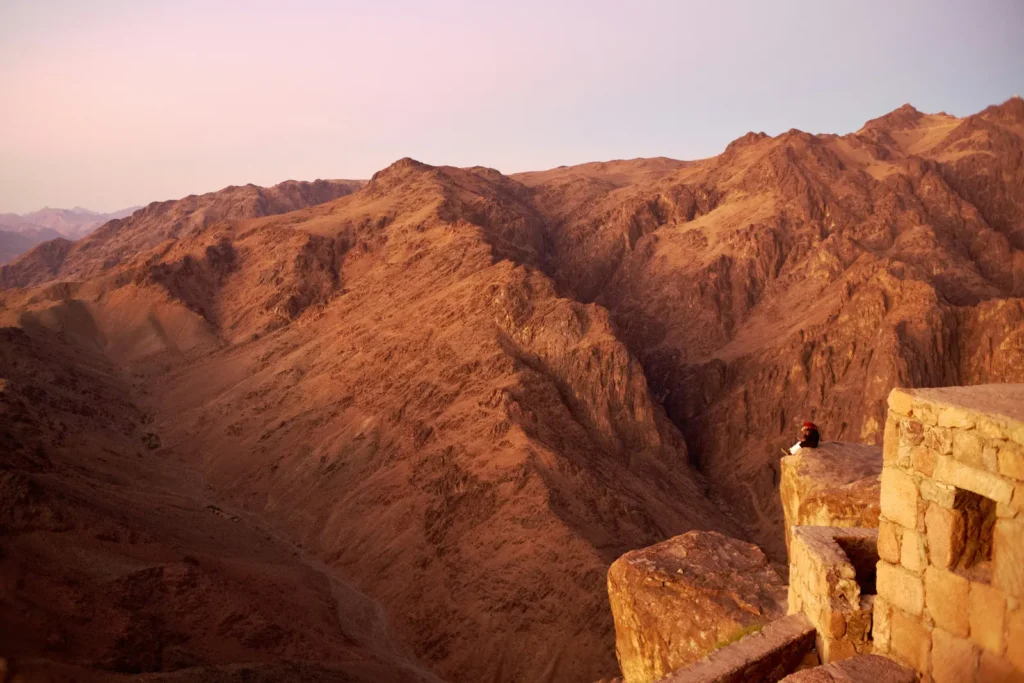
St Catherine’s Monastery and the mountain are usually reached by road from Sharm El Sheikh or Dahab, and a local Bedouin guide is typically required for the climb, so confirm current rules when you book. Government travel advice for the Sinai peninsula, the Western Desert and border areas changes, so check your own government’s current guidance before you finalize plans.
When Is the Best Time to Visit Siwa and the White Desert?
The best time to visit Siwa Oasis and the White Desert is October to April, with multi-day desert camping working best from November to March. Summer temperatures in the Western Desert can exceed 40°C, while winter nights are cold enough that operators advise warm sleeping layers; one operator puts winter night temperatures at roughly 5–10°C. Siwa is a long overland journey from Cairo or Alexandria, so build in extra days rather than treating it as a quick side trip.
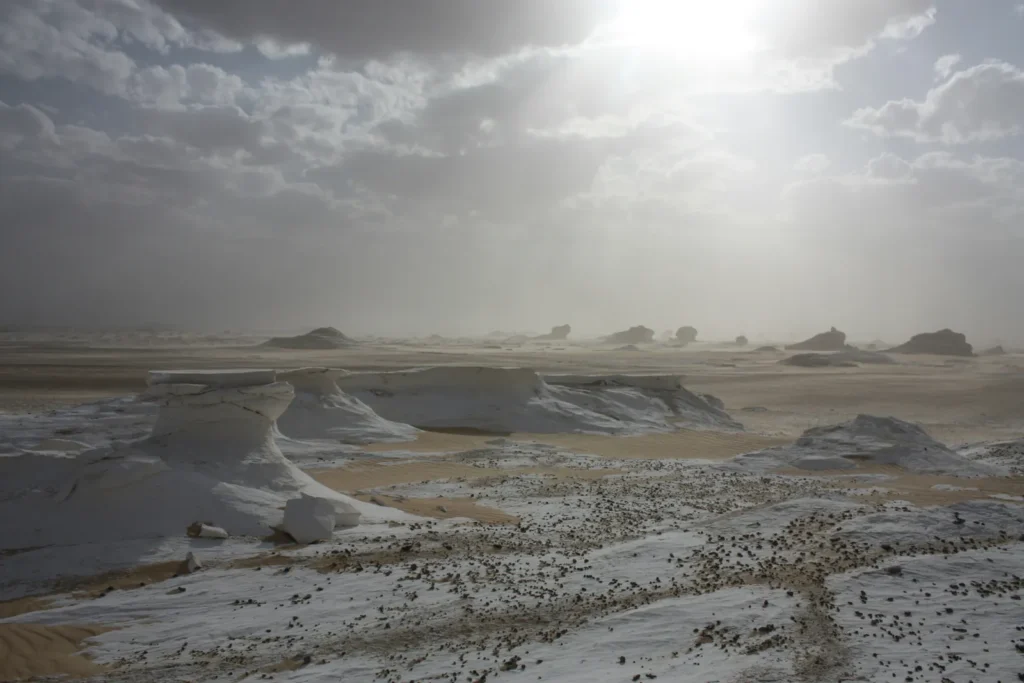
What Is Khamsin Season, and Does It Ruin a Trip?
Khamsin is a hot, dust-laden spring wind from the Sahara that occurs mainly from March to May and peaks in April. Most storms last a day or two, though some run longer.
For travelers, this means build flexibility into a March or April itinerary and keep temple and pyramid visits movable by a day. The fine dust can aggravate asthma and allergies, so anyone sensitive should pack accordingly. Between storms, spring weather in the north is often excellent.
Does Ramadan Affect Travel in Egypt?
Yes, mostly in practical ways. Ramadan follows the lunar calendar and arrives about 11 days earlier each year. Ramadan 2027 is expected to begin around February 8, 2027 and end around March 8, with Eid al-Fitr expected on March 9 or 10, all confirmed by moon sighting. Fasting runs from dawn to sunset, and opening times and restaurant availability shift accordingly. Some attractions run reduced hours during Ramadan and may close for Eid, so check each site’s schedule before you travel.
What Dates and Seasons Can Move Your Trip?
Six recurring events can change an Egypt trip: khamsin dust winds, Ramadan, the two Eids, the Abu Simbel sun alignments and the Nile cruise season. The table below lists when each happens and what it affects.
| Event or season | When | Where it matters | What it changes |
|---|---|---|---|
| Khamsin dust-wind season | March–May, peaking in April | Egypt-wide; Cairo has felt it strongly | Dust and heat for a day or two, sometimes longer |
| Ramadan 2027 | Expected Feb 8 to Mar 8, 2027 (confirmed by moon sighting) | Nationwide | Fasting hours; shifted opening times and restaurant availability |
| Eid al-Fitr 2027 | Expected Mar 9–10, 2027 | Nationwide | Domestic holiday; some attractions close or change hours |
| Eid al-Adha 2027 | Expected around May 16–17, 2027 | Nationwide | Domestic holiday; check opening hours |
| Abu Simbel sun alignment | Around Feb 22 and Oct 22 each year | Abu Simbel (roughly 3.5 hours by road from Aswan) | Dawn crowds; a brief illumination of the inner sanctuary |
| Main Nile cruise season | October–April; busiest Dec–Feb | Luxor–Aswan | Book early for Christmas and New Year |
What Does Egypt Cost at Different Times of Year?
As a general pattern, prices are highest from December to February, especially around Christmas and New Year, and lowest from June to September when Upper Egypt is at its hottest. Shoulder months such as March, April and October often offer a middle ground, particularly if you accept early starts in the south. Treat this as a trend rather than fixed pricing, since it varies by operator and year.
What Should You Pack for Egypt?
- A light jacket for winter evenings and deck time. Cairo’s January lows average about 10°C and Luxor’s about 7°C.
- Breathable long sleeves and a wide-brimmed hat. Sun protection matters even in winter.
- Closed-toe walking shoes. Temple floors are uneven and sand and stone get hot.
- Modest clothing for mosques, including covered shoulders and knees.
- A refillable water bottle. Hydration is essential in the warm months.
Planning Beyond Egypt
If Egypt is one stop on a longer North Africa or Mediterranean trip, the same rule of thumb applies to Morocco: pick the season by region and heat, not by country. For a cooler Eastern Mediterranean pairing, see the guides to Turkey and Greece. If the beach is the point and you want warm water year-round, the Maldives and Mauritius follow very different seasonal logic from the Red Sea.