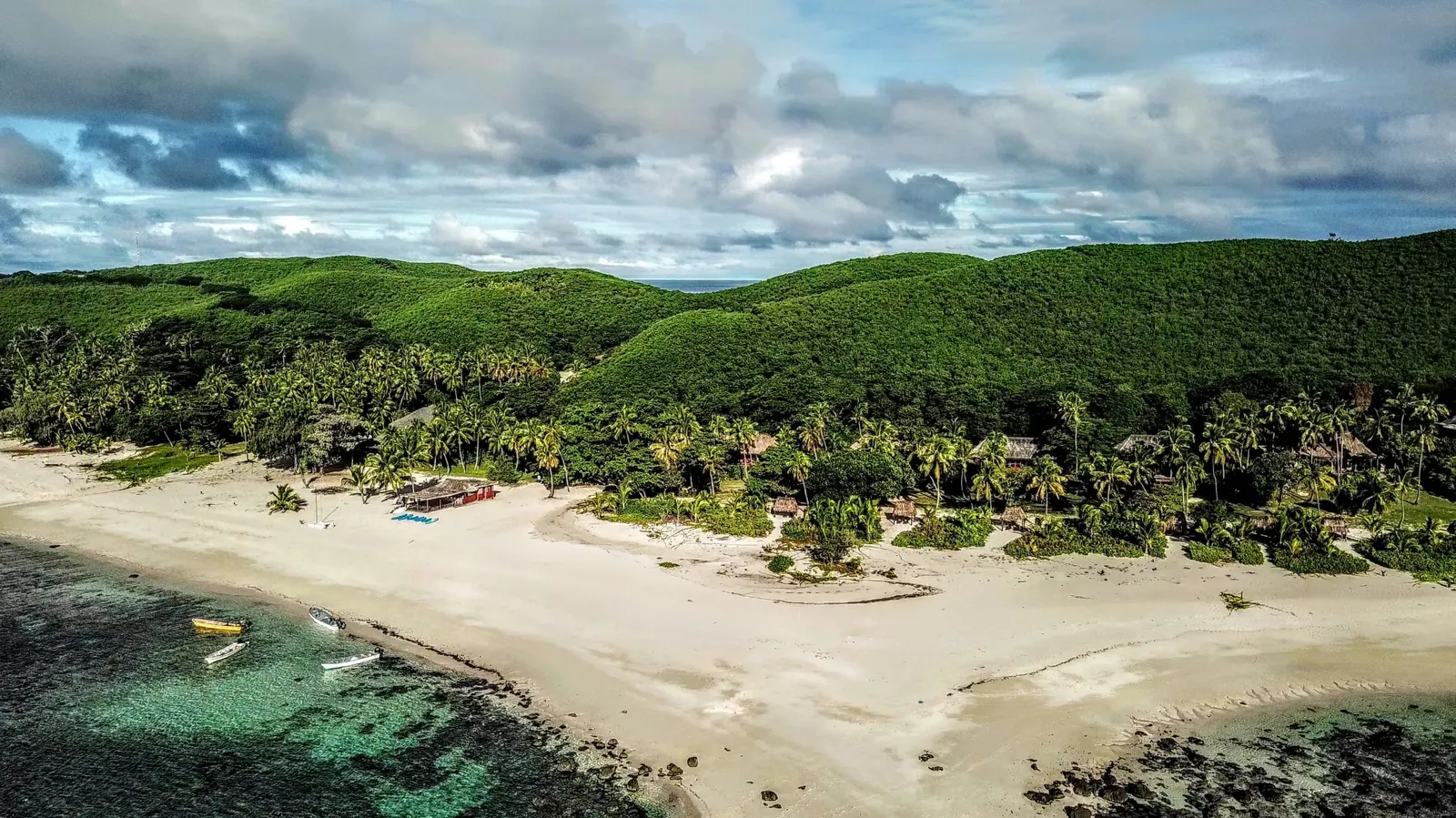
Best Time to Visit Fiji: Month-by-Month Guide (2027)
The best time to visit Fiji is May and October, when the dry season is under way, crowds are lighter than in July and August, and prices sit below peak, while June to September is the driest and sunniest.
Fiji has two climates, not one: the dry western side around Nadi and the Mamanuca and Yasawa islands, and the much wetter east around Suva. From May to October the dry side delivers 28–30°C days with the least rain — and May and October bring that same weather with fewer crowds.
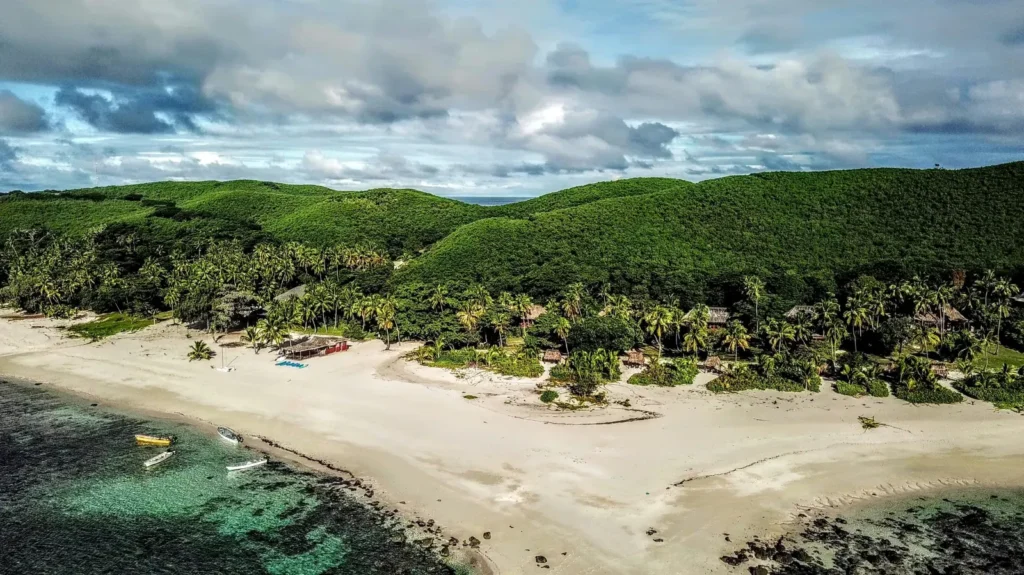
Fiji’s busiest months line up with Australian and New Zealand school holidays, and they are also its driest: in July and August Nadi averages 45–65 mm of rain a month, against about 320 mm in February. Choosing the best time to visit Fiji therefore means deciding how much rain, humidity and cyclone risk you will accept in exchange for lower prices, and that trade looks different on the dry western side of Viti Levu than around Suva on the wet side.
Quick Answer: Best Time to Visit Fiji by Priority
- Best overall (weather and value): May and October, when the dry season is under way, crowds are lighter than in July and August, and prices sit below peak.
- Driest, sunniest weather: June to September, when Nadi averages 45–75 mm of rain a month and highs of 28–29°C. This is also peak season.
- Best for diving and snorkeling: May to October, built around manta rays (May to October), shark diving (June to September) and soft coral (April to July).
- Best for surfing: April to October at Cloudbreak and other reef breaks; November to March suits beginners.
- Best for lower prices: January to April and November, except Christmas and New Year, if you accept rain and cyclone season.
- Avoid for dry beach weather: January to March, the wettest months and the peak of cyclone season.
When Is the Best Time to Visit Fiji Overall?
The best time to visit Fiji overall is May to October, when the dry season brings Nadi’s lowest rainfall (about 45–110 mm a month), highs of 28–29°C and little cyclone risk. Within that window, May and October are the balance points for weather and cost, while July and August are the busiest months because Australian and New Zealand school holidays fall then.
The year splits cleanly. May and October are shoulder months with dry, warm days and thinner crowds. June to September is peak season, with the driest weather and the highest prices. November marks the start of the wet and cyclone season but is often quieter and cheaper, and Christmas and New Year bring a second surge of demand.
What Is the Weather in Fiji Month by Month?
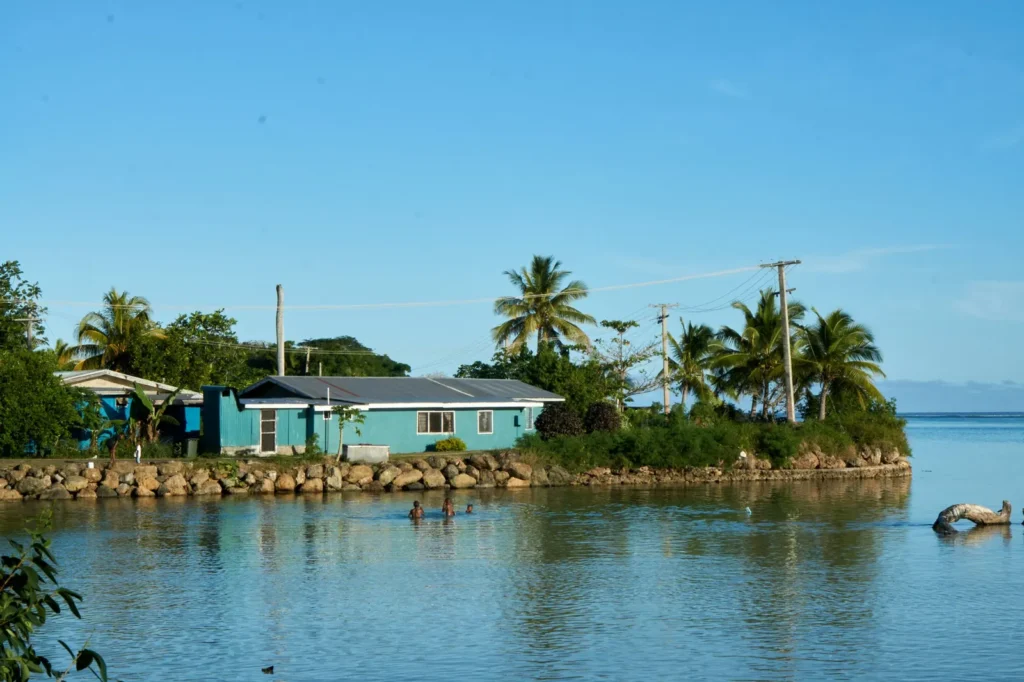
Fiji’s weather is warm all year, with Nadi’s average high between 28°C and 31°C, and the wet season (November to April) brings roughly 140–320 mm of rain a month against 45–110 mm from May to October. The table uses Nadi, on Viti Levu’s western side, as the reference point for where most visitors stay.
| Month | Nadi average high | Nadi rainfall | Season |
|---|---|---|---|
| Jan | 31°C (88°F) | About 320 mm | Wet; cyclone season peak |
| Feb | 31°C (88°F) | About 320 mm | Wet; cyclone season peak |
| Mar | 31°C (88°F) | About 300 mm | Wet; cyclone season peak |
| Apr | 30°C (86°F) | About 200 mm | Rain easing; cyclone season ends Apr 30 |
| May | 29°C (84°F) | About 85 mm | Dry season begins |
| Jun | 29°C (84°F) | About 70 mm | Dry |
| Jul | 28°C (82°F) | About 45 mm | Driest month |
| Aug | 28°C (82°F) | About 65 mm | Dry |
| Sep | 29°C (84°F) | About 75 mm | Dry |
| Oct | 29°C (84°F) | About 110 mm | Dry season ends; rain returns |
| Nov | 30°C (86°F) | About 140 mm | Wet season and cyclone season begin |
| Dec | 31°C (88°F) | About 210 mm | Wet |
Figures are rounded averages compiled from several climate datasets for Nadi. Temperatures agree closely across sources; rainfall differs more, sometimes by 20–30%, so treat the millimetre figures as indicative of the pattern rather than exact.
Sea temperature is the part of Fiji’s weather that barely changes. Most sources put it at roughly 26°C in the coolest months (around August) and about 29°C from January to March, so the water is warm enough for swimming every month.
Where in Fiji Is Drier, Nadi or Suva?
Nadi and the Mamanuca and Yasawa islands are on Fiji’s drier western side, while Suva and Viti Levu’s east coast are much wetter, especially from May to October. In July, Suva averages roughly two to three times Nadi’s rainfall, so the dry season is really a western-Fiji season.
The gap is smaller in the wet season, when both cities are soaked. That matters because most resort stays cluster on the drier side: the main tourism belt covers Viti Levu’s western coast and the offshore Mamanuca and Yasawa groups, and Suva is usually a city stop rather than a beach base.
| Rainfall | Nadi (drier west) | Suva (wetter east) |
|---|---|---|
| Average per year | Roughly 2,000 mm | Roughly 2,900 mm |
| January (wet season) | About 320 mm | About 340 mm |
| July (dry season) | About 45 mm | About 100–140 mm |
Which Months Are Best for Weather, Crowds and Prices?
The months that balance dry weather, manageable crowds and fair prices are May and October, while July and August are the driest but also the busiest and most expensive. The verdicts in the table below are our editorial reading of the rainfall, cyclone-season and demand patterns above.
| Month | Weather | Cyclone risk | Crowds and prices | Verdict |
|---|---|---|---|---|
| Jan | Hot, very wet | Peak of season | Low, apart from New Year | Cheapest, wettest; only for flexible travelers |
| Feb | Hot, very wet | Peak of season | Low | Deals, but expect rain days |
| Mar | Hot, very wet | Peak of season | Low | Deals, but expect rain days |
| Apr | Rain easing | In season, ending Apr 30 | Low to moderate | Good value; soft coral season starts |
| May | Dry begins | Occasional, out of season | Shoulder | Excellent: dry weather without peak prices |
| Jun | Dry, sunny | Rare, out of season | Peak begins | Excellent weather; higher prices |
| Jul | Driest month | Out of season | Peak (school holidays) | Best weather; busiest and priciest |
| Aug | Dry | Out of season | Peak (school holidays) | Same as July; book early |
| Sep | Dry, warming | Rare, out of season | Peak, easing | Excellent; crowds thin late in the month |
| Oct | Warmer, rain returns | Occasional, out of season | Shoulder | Excellent: warm sea, fair prices |
| Nov | Hot, wetter | Season begins Nov 1 | Quieter, lower prices | Good value with some rain risk |
| Dec | Hot, wet | In season | Rising for Christmas | Festive but wet and pricey late month |
Is Cyclone Season a Problem for a Fiji Trip?
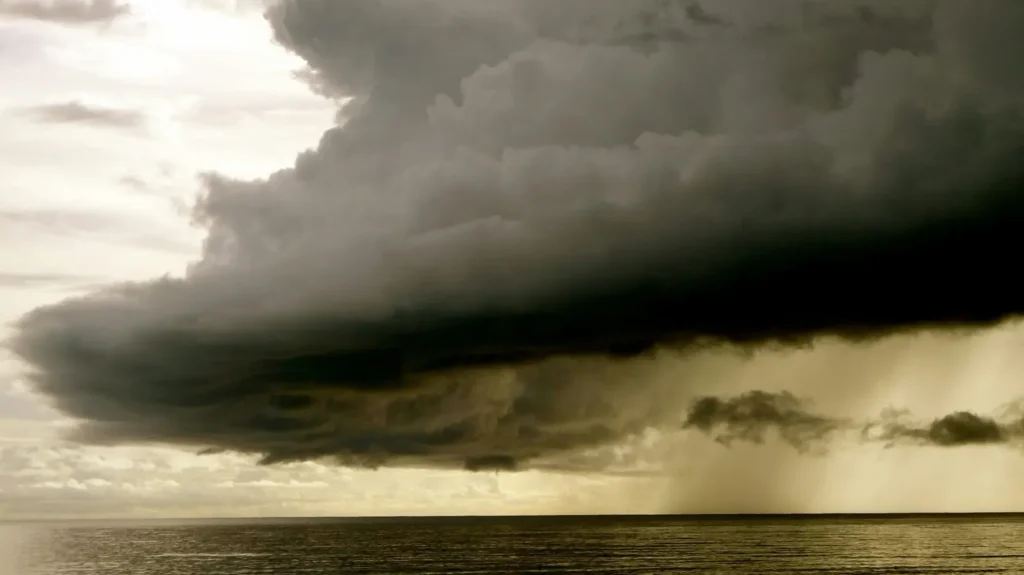
Fiji’s cyclone season runs from November 1 to April 30, with peak activity from January to March, but the Fiji Meteorological Service says only around two tropical cyclones affect Fiji in an average season. The bigger practical risk is not a direct hit but days of flooding rain, which the service warns can come from tropical depressions that never become cyclones.
Out-of-season storms are rare but not impossible — the November-to-April boundaries are a planning guide, not a guarantee. The 2026 season shows how disruption looks in practice. After Tropical Cyclone Urmil passed south of Fiji on February 28 to March 1, flooding damaged or affected 71 roads and crossings, with 51 closed and 20 under restricted access, mostly in the Western Division, according to the Fiji Roads Authority. In April, Tropical Cyclone Vaianu passed close to the west coast and triggered nationwide school closures; Fiji’s National Emergency Operations Centre reported 2,182 people from 506 households displaced across 60 evacuation centres nationwide, with impacts driven mainly by heavy rain rather than wind.
If you travel between November and April, choose flexible bookings, check the Fiji Meteorological Service’s warnings before and during your trip, and consider travel insurance that covers weather disruption.
When Is the Best Time for Diving and Snorkeling in Fiji?
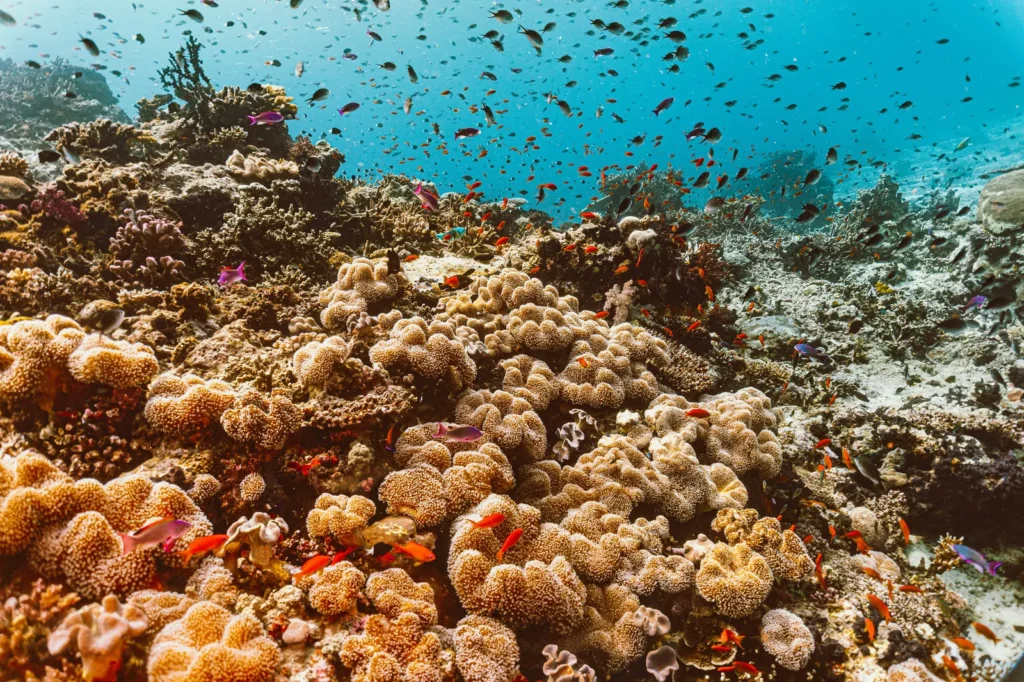
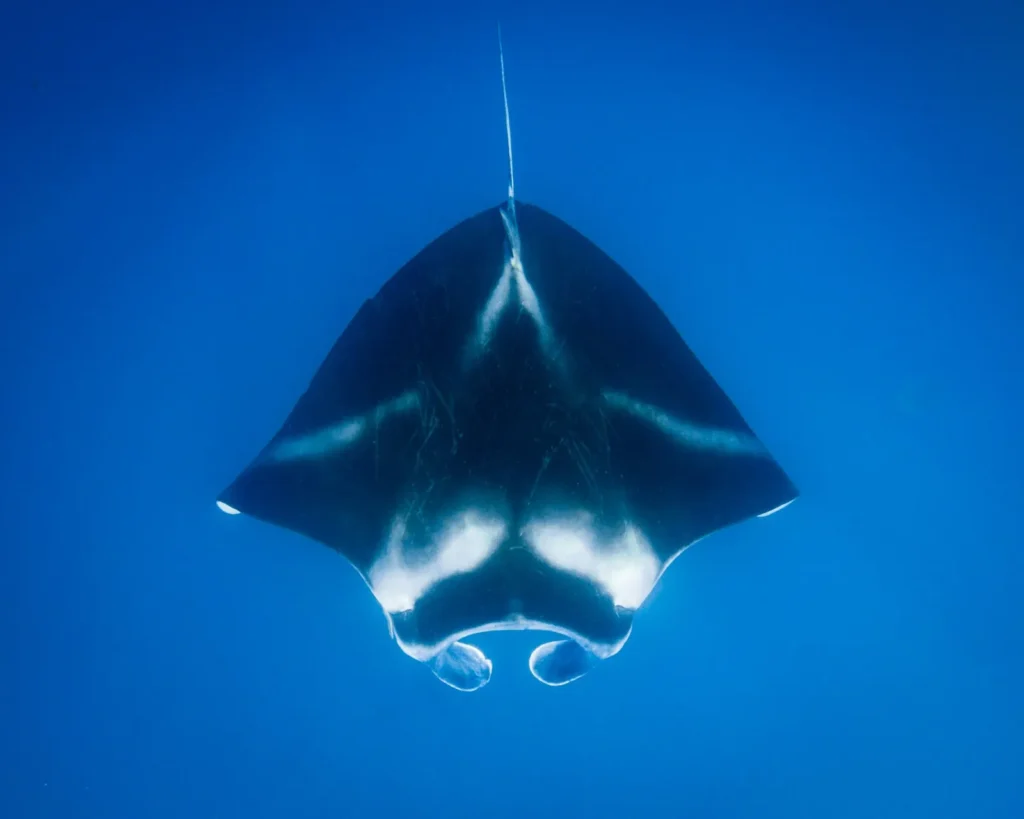
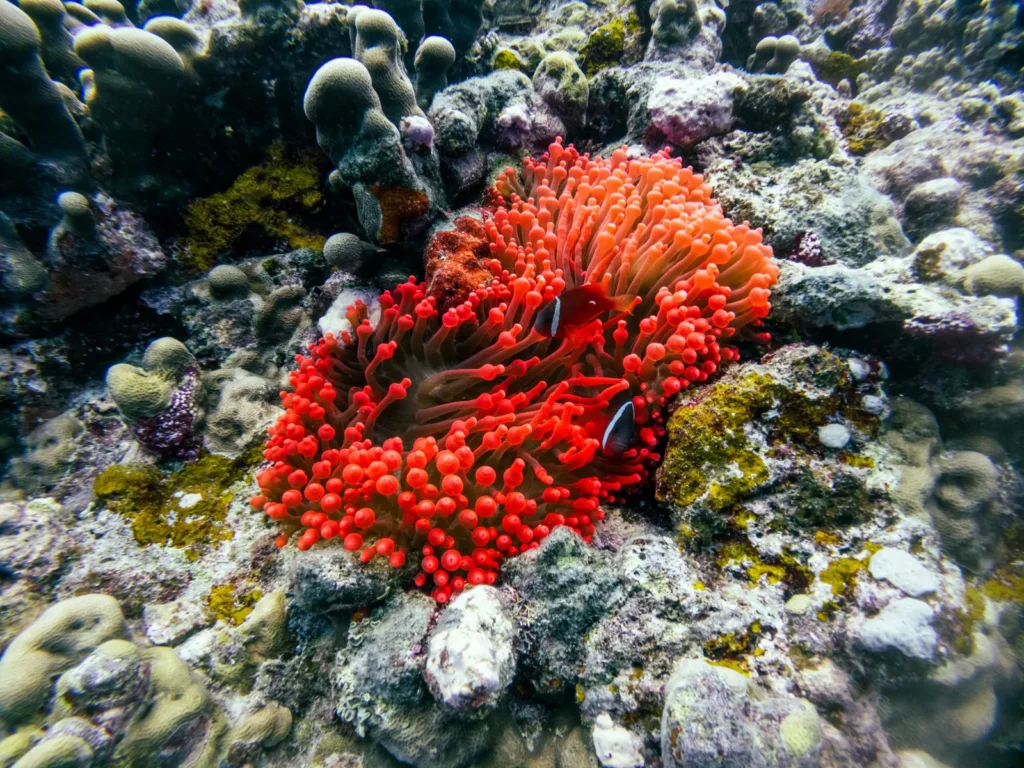
Fiji can be dived all year, and Tourism Fiji’s calendar highlights soft coral from April to July, manta rays from May to October and shark diving from June to September. May to October is the strongest overall window because it holds the manta season, most of the shark season and the clearest, calmest conditions.
| What you want to see | Best months | Where | Notes |
|---|---|---|---|
| Soft coral | Apr–Jul (best bloom) | Rainbow Reef, Bligh Waters, Namena Marine Reserve, Beqa Lagoon | Soft coral is found year-round; Fiji calls itself the soft coral capital of the world |
| Manta rays | May–Oct | Yasawa Islands, Kadavu | The Yasawa channel between Nanuya Balavu and Drawaqa is the best-known spot |
| Shark diving | Jun–Sep (most promoted window) | Beqa Lagoon, Yasawas | Sharks are present year-round; Beqa feeding dives can show bull, tiger and reef sharks |
| Humpback whales | Jul–Oct | Southern and eastern dive areas such as Kadavu | Occasional sightings rather than a guarantee |
| Best visibility | Dry months (sources differ) | Fiji-wide | One source names May–Oct, another Jul–Dec; July to October fits both |
Sea temperatures stay warm year-round, so a thin wetsuit or rash vest is usually enough. Marine-life timing is a tendency rather than a promise, so confirm what is currently showing with your dive operator.
When Is the Best Time to Surf in Fiji?
The best time to surf Fiji’s reef breaks, including Cloudbreak, is April to October, when southerly swells are most consistent and the southeast trade winds blow cross-shore or offshore. From November to March waves are usually smaller, which suits beginners, and Tourism Fiji describes December to March as the best season on the Coral Coast.
Cloudbreak can only be reached by boat, so you need a charter whichever resort you stay at, and it can be crowded from April to October. Bring spare boards and leashes, because Fiji has few surf shops.
When Is the Best Time for Beaches and Island Hopping in Fiji?
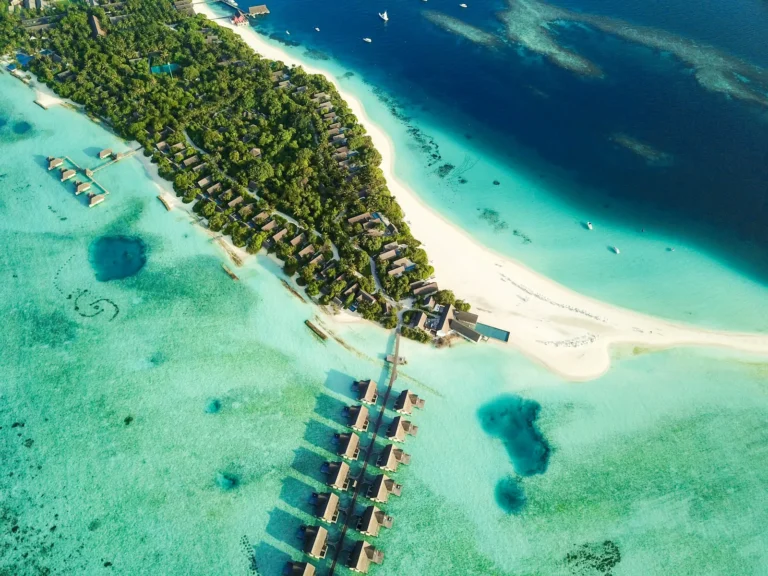
The best time for beaches and island hopping in Fiji is May to October, when Nadi’s rainfall is lowest and the Mamanuca and Yasawa islands sit on the drier side of the country. Sea temperatures of roughly 26–27°C in the coolest months stay comfortable for swimming, and by late October daytime highs creep toward the low 30s.
From November to April the same beaches are hotter and more humid, with brief heavy showers and a higher chance of weather-related boat or flight changes. That is the trade for lower prices and quieter resorts.
What Does Fiji Cost at Different Times of Year?
Fiji’s prices are highest from June to September and over Christmas and New Year, and lowest from January to April. Peak demand is driven by Australian and New Zealand winter school holidays, which fill resorts on Denarau and in the Mamanucas and Yasawas, and flights and rooms can sell out well ahead.
May and October are widely treated as shoulder months, with dry weather and moderate prices, and November often offers good value just as cyclone season opens. Treat this as a general pattern rather than fixed pricing, since it varies by resort and year.
What Dates and Seasons Can Move Your Trip?
Six recurring dates and seasons can change a Fiji trip: cyclone season, Australian and New Zealand school holidays, Christmas and New Year, Fiji Day, Diwali and the manta ray season. The table below lists when each happens and what it changes.
| Event or season | When | Where it matters | What it changes |
|---|---|---|---|
| Cyclone season | Nov 1–Apr 30, peaking Jan–Mar | Fiji-wide, especially coasts and low-lying areas | Heavy rain, flooding and possible transport disruption |
| Australia and New Zealand winter school holidays | Mainly July–August (varies by state) | Denarau, the Mamanucas and the Yasawas | Higher prices; resorts and flights fill early |
| Christmas and New Year | Late December to early January | Resort areas | Second demand peak; Boxing Day is a public holiday |
| Fiji Day | October 10 each year (a Sunday in 2027) | Nationwide | Public holiday; some businesses close |
| Diwali | Date set yearly by Cabinet (Nov 9 in 2026) | Nationwide | Public holiday; some businesses close |
| Manta ray season | May–October | Yasawa Islands, Kadavu | Best chance of manta dives and snorkels |
What Should You Pack for Fiji?
- A light rain jacket. Showers happen in every month, and they are heavier from November to April.
- Reef-safe, water-resistant sunscreen and a rash vest. The sun is strong all year.
- Water shoes for reef walks and rocky entries.
- A wide-brimmed hat and sunglasses. Shade is limited on small islands and boats.
- Modest clothing for village visits, typically covering shoulders and knees. Confirm local etiquette with your host or guide.
Planning Beyond Fiji
If Fiji is one stop on a longer South Pacific or tropical trip, the same rule applies elsewhere: pick the season by rain and cyclone risk, not by country. For another over-water beach escape, compare the Bora Bora and Maldives seasons. If you are routing through New Zealand or Asia, see the guides to New Zealand and Bali, and for a different island climate with its own cyclone season, read Mauritius.