Best Time to Visit Bora Bora: Month-by-Month Guide (2027)
Best months: May through October — generally drier, with July to September a strong window for outdoor plans. For possible accommodation savings, compare January to March dates outside holiday peaks, but check live rates rather than assuming one month is always cheapest. In Météo-France’s 1991–2020 airport-station normals, December is wettest (about 251mm), followed closely by January (about 245mm); February averages about 212mm and March about 168mm. December also brings holiday demand despite wetter weather. South Pacific cyclone season runs November–April, so consider flexible bookings and insurance for weather disruption.
When Should You Go to Bora Bora?
Bora Bora’s air and sea temperature barely moves across the calendar — every month sits within a few degrees of 80–84°F. What actually separates a May trip from a December one isn’t heat, it’s whether an afternoon downpour interrupts your one week on the island, and what you’ll pay to be there when it doesn’t.
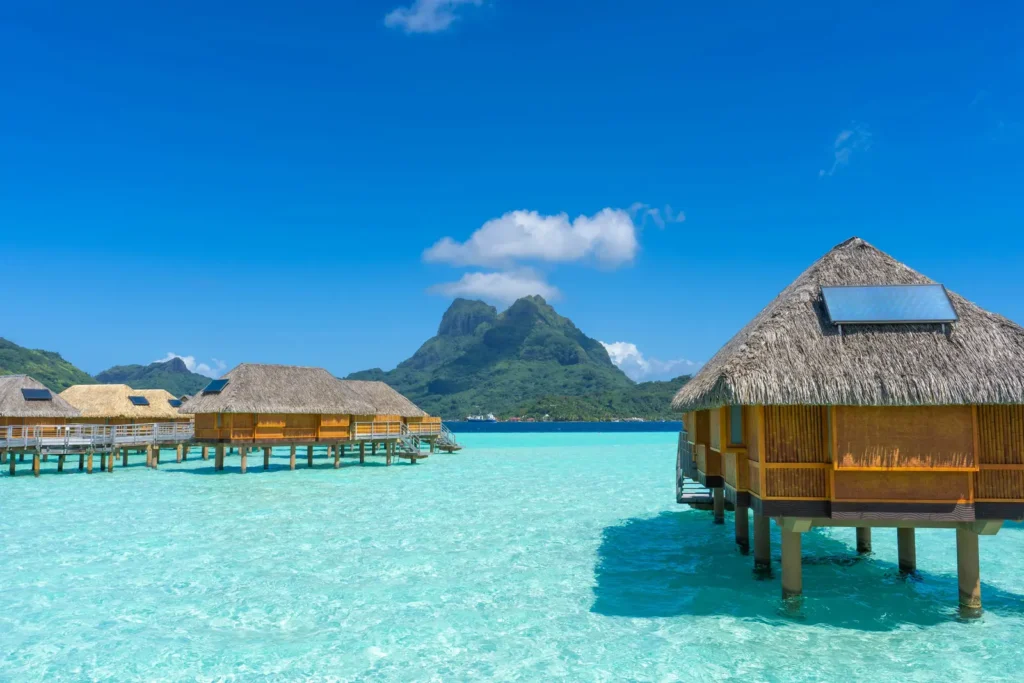
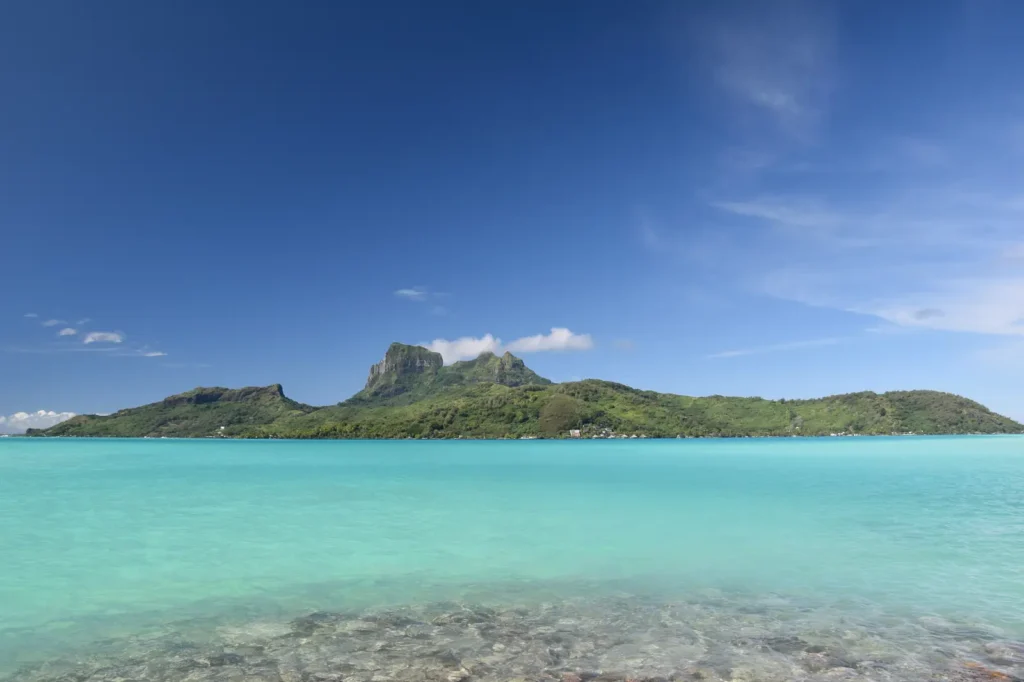
Bora Bora is a volcanic island in French Polynesia’s Society Islands, ringed by a coral reef lagoon. Its dry season (May–October) brings the lowest rainfall and clearest lagoon visibility, while November–April brings more frequent, heavier downpours — with temperatures holding almost steady across both.
How Bora Bora’s Rainfall Changes Between Wet and Dry Seasons
Météo-France’s 1991–2020 climate normals for the Bora-Bora-Motu-Aero station show July as the driest month (about 62mm of rain) and December as the wettest (about 251mm). January averages about 245mm, while September averages about 65mm. Rainfall totals differ by roughly fourfold between the driest and wettest months. The station also records about 17 days with at least 1mm of rain in January, compared with about 9 days in September. These are long-term averages, not a forecast; a rainy day does not necessarily mean rain all day.
| Season | Months | Rainfall | Air / Sea Temp | What to Expect |
|---|---|---|---|---|
| Dry season | May–Oct | Lowest of the year; July averages about 62mm | 81–84°F / 80–84°F | Generally drier for outdoor plans; lagoon conditions still depend on wind and recent rain |
| Transition | April & November | April dries toward the dry season; November turns wet toward the peak | 82–84°F / 82–84°F | Fewer crowds, softer rates; November leans wet, April leans dry |
| Wet season (peak months) | Dec–Mar | Highest of the year; December averages about 251mm, January about 245mm | 82–84°F / 82–84°F | More frequent rain and possible weather disruption; check forecasts and flexible-booking terms |
Rainfall and rainy-day figures use the 1991–2020 Bora-Bora-Motu-Aero station normals from Météo-France. A rainy day means at least 1mm of precipitation; station normals are not forecasts for specific dates.
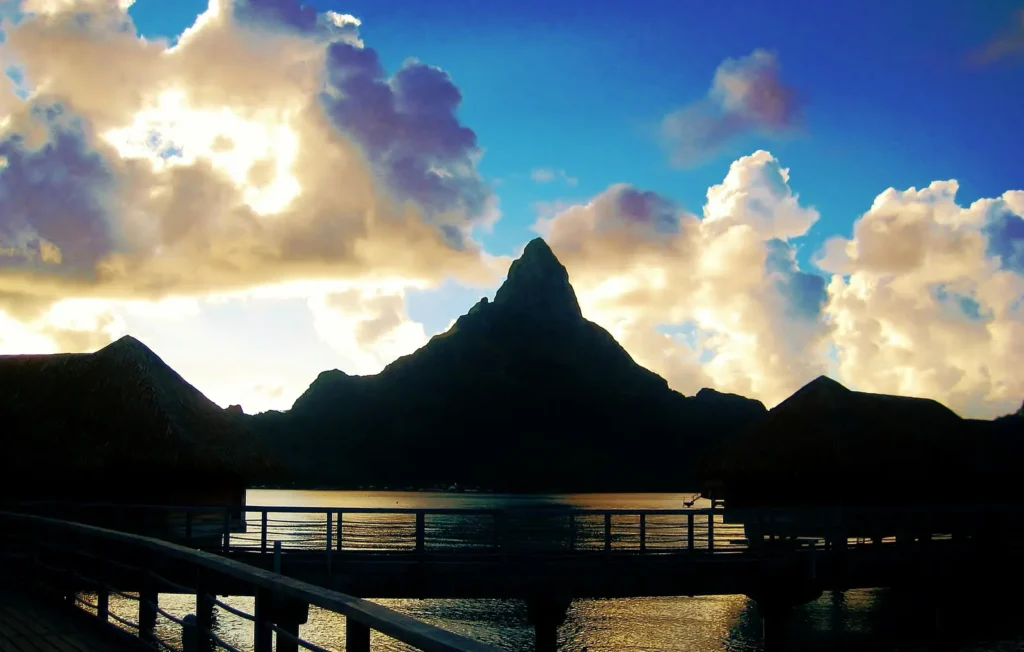
Bora Bora Month by Month
Temperatures stay warm year-round (average daily highs near 29–31°C at the airport station) — choose your month mainly by rainfall and your travel plans. Wet season: November–April. Dry season: May–October.
January
One of the wettest months (about 245mm of rain, with about 17 days reaching at least 1mm). Average highs near 31°C, warm and humid. Rain arrives in intense tropical bursts rather than all-day washouts, with sunshine between them. Fewer visitors and the year’s lowest rates — the budget play if you can tolerate the rain.
February
Still firmly wet (about 212mm, with roughly 15 days reaching at least 1mm of rain) with similar heat. Same trade as January: low prices, lush island, real chance of disrupted boat days. Not the month for a honeymoon you can’t reschedule.
March
Rain eases compared with January and February (about 168mm and 15 measurable-rain days). Conditions improve through the month — late March can feel like a different island than early March. A reasonable value pick if your dates are flexible within the month.
April
Transition month (about 144mm and 12 measurable-rain days). The shoulder season at its best: improving weather, thinning crowds, and availability opens up before the dry-season rush. One of the smartest months to book.
May
The drier season begins (about 112mm and 11 measurable-rain days). Warm (average highs near 30°C), lagoon clearing, prices still below peak. May is arguably the best-value month of the year.
June
Dry season proper: rainfall averages about 86mm across roughly 10 measurable-rain days, with average highs near 29°C. Excellent diving and snorkeling visibility. Crowds build toward July — book ahead for the second half of the month.
July
The driest month by average rainfall (about 62mm, with around 9 measurable-rain days), with average highs near 29°C and lows near 24°C. Heiva festival fills the island with dance competitions and cultural events (see the festival section above) — book accommodation far ahead; this is peak season and peak pricing.
August
Among the driest months (about 64mm, with roughly 9 measurable-rain days). Clear skies, calm lagoon, peak European holiday crowds. Highest prices of the dry season; overwater bungalows sell out months ahead.
September
One of the driest months (about 65mm, with roughly 9 measurable-rain days) — and a good shoulder-season choice. August crowds thin out, the weather holds, and availability improves. If you can only pick one month: September.
October
Conditions become wetter (about 109mm, with around 11 measurable-rain days). Still plenty of dry days, warming up, fewer tourists. A good shoulder pick — though late October can bring the first real wet-season storms.
November
Rainfall climbs as the wet season returns (about 139mm and 12 measurable-rain days). Humid, afternoon downpours become routine. Lower rates return, but so does the cyclone-season window (see below) — get travel insurance.
December
The wettest month in the station normals (about 251mm and 17 measurable-rain days) — yet also one of the priciest, as Christmas and New Year demand ignores the weather entirely. Come for the festive atmosphere, not the forecast; pack a light rain jacket and plan boat excursions for mornings.
Heiva i Bora Bora Turns the Island Into a Six-Village Competition Every July
In 2026, the Bora Bora municipality reported that Heiva i Bora Bora ran from June 26 to August 2, with six villages — Anau, Amanahune, Faanui, Hiti’a, Nunue, and Tiipoto — taking part in traditional dancing, hīmene singing, and Polynesian sports. The municipality reported that the competitions concluded on July 19, while festivities continued through August 2. Do not assume those precise 2026 dates or competition nights will repeat in 2027: the 2027 program had not been confirmed as of October 2026. If attending Heiva is a priority, check the municipality’s current schedule before booking flights and accommodation.
| Event | 2026 Dates (past season) | What It Is |
|---|---|---|
| Heiva i Bora Bora — competition nights | Late June–July 2026; check official program for exact nights | Village singing and dance competitions; dates vary by year |
| Heiva i Bora Bora — full festival | Jun 26 – Aug 2 | Six villages compete in dance, singing, and traditional sports |
| Heiva i Tahiti (Papeete) | Jul 2 – Jul 18 | The larger sister festival in Tahiti, if your trip includes Papeete |
| Tahiti Pearl Regatta | Varies (typically May) | Sailing race between Bora Bora, Raiatea, Huahine, and Taha’a |
| Bora Bora Liquid Festival | December | Watersports competition with beach parties in the lagoon |
Confirm exact festival and competition-night dates directly with the Bora Bora commune or Tahiti Tourisme closer to your travel date, since municipal calendars can shift by a few days year to year.
Getting to Bora Bora: Flights, Ferries, and Connection Times
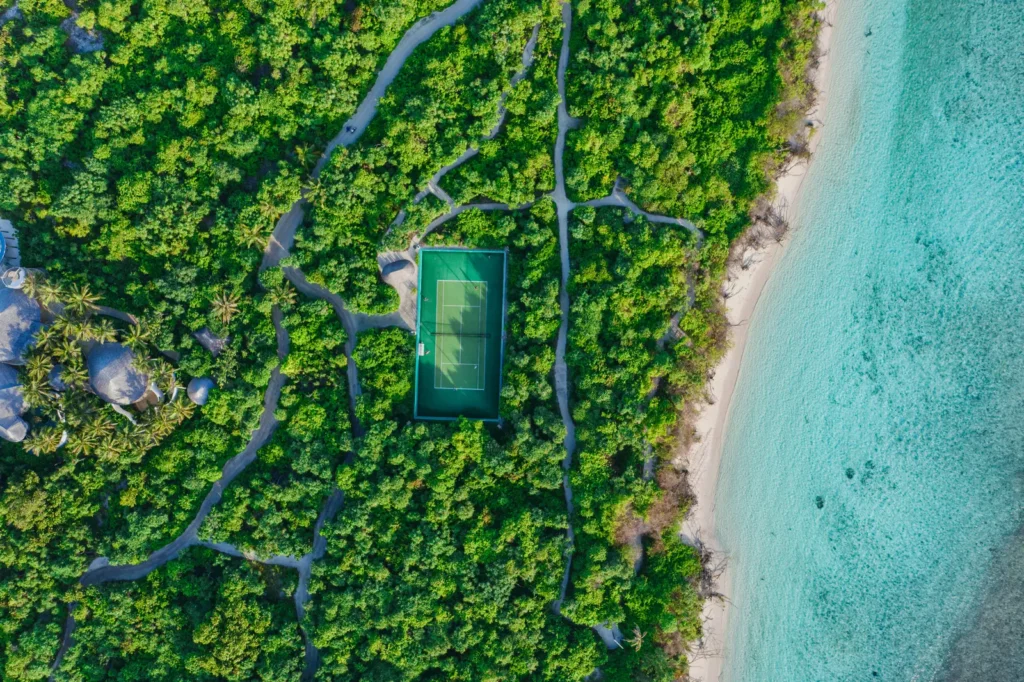
Most international visitors arrive at Faa’a International Airport (PPT) in Tahiti and continue to Bora Bora’s Motu Mute airport on an inter-island flight. Air Tahiti describes the Tahiti–Bora Bora flight as about 50 minutes. However, flying twice is not mandatory: a scheduled passenger ferry, Apetahi Express, also connects Tahiti with Bora Bora on selected days. Check operators’ current schedules before choosing how to transfer.
For an international arrival connecting to an Air Tahiti domestic flight, the airline’s published minimum connection time is 90 minutes. Allow extra time for immigration, baggage, re-check-in, and delays. Air Tahiti recommends arriving at its check-in desk 90 minutes before departure; check-in generally closes 30 minutes before departure at Tahiti (20 minutes for departures from Leeward Islands). Late-afternoon or evening international arrivals may require a night in Tahiti if there is no onward flight or suitable ferry departure that day. Check the actual departure schedule rather than relying on a fixed last-flight time.
What an Overwater Bungalow Actually Costs, Tier by Tier
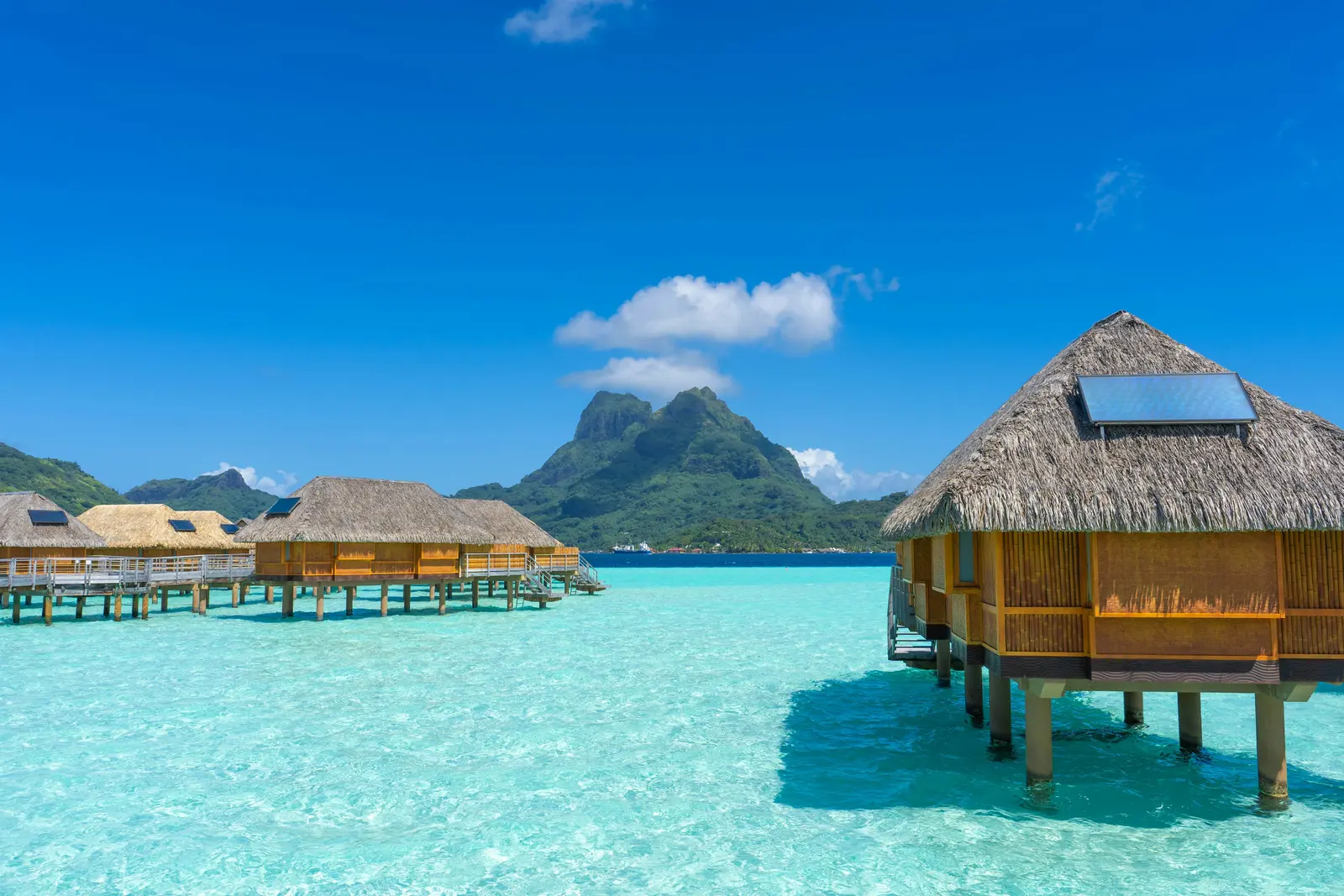
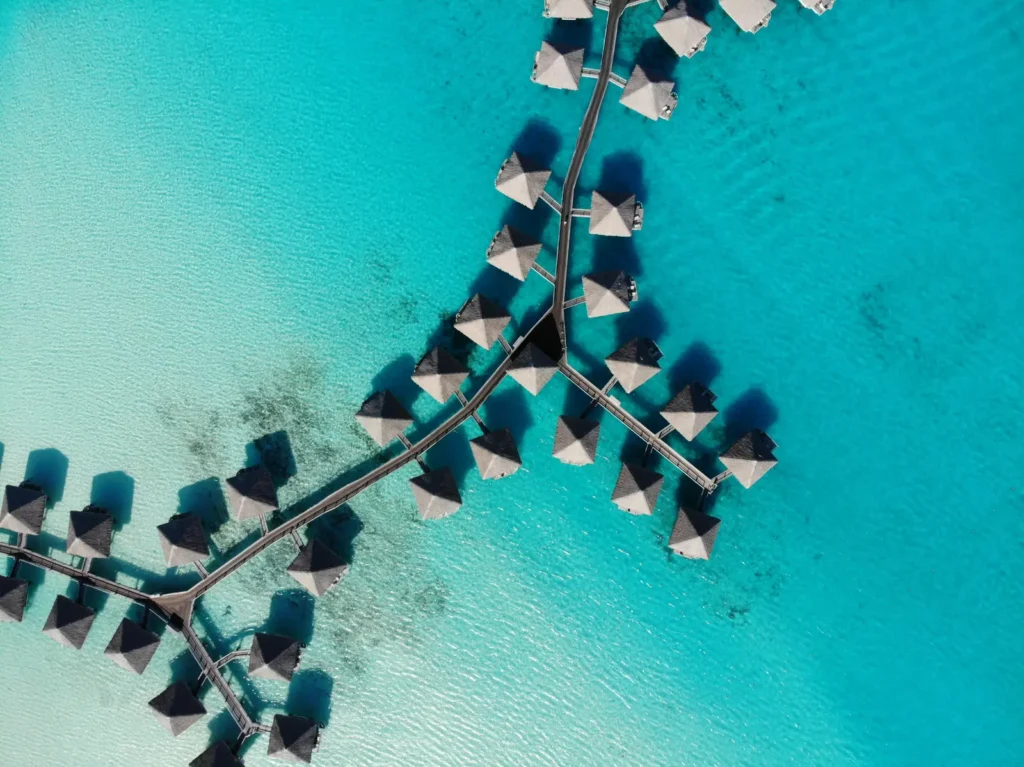
Bora Bora accommodation spans several price tiers, from main-island options such as Maitai Polynesia and InterContinental Le Moana to motu resorts such as The Westin Bora Bora Resort & Spa and Conrad Bora Bora Nui, plus luxury options such as Four Seasons and St. Regis. The dollar bands in the table below are illustrative estimates, not verified prices for any particular dates; resort pricing varies by room type, inclusions, dates, exchange rates, and availability. Compare actual quotes directly before booking.
Resort update: InterContinental Bora Bora Resort & Thalasso Spa closed on June 1, 2026 for redevelopment and is expected to reopen as Regent Bora Bora in late 2027. The former Le Méridien property now operates as The Westin Bora Bora Resort & Spa (reopened in 2024). Neither Thalasso nor Le Méridien is a separate currently bookable resort to compare in this table.
| Tier | Example Resorts | Low Season (estimate) | Peak Season (estimate) |
|---|---|---|---|
| Entry-level | Maitai Polynesia, InterContinental Le Moana | $600–$900/night | up to ~$1,200/night |
| Motu mid-tier | The Westin Bora Bora, Conrad Bora Bora Nui | $1,000–$1,500/night | $1,500–$1,900/night |
| Luxury | Four Seasons, St. Regis | $1,800–$2,500/night | $3,000–$7,000+/night |
Price-check note: These dollar ranges have not been independently validated for specific travel dates and must not be treated as live offers. Motu resort boat transfers, meals, taxes, and package inclusions can change the total cost. Request a date-specific quote for the exact room category, including transfers and cancellation terms, and compare more than one date before deciding.
Coral Gardens, the Lagoonarium, and When the Water Is Actually Clearest
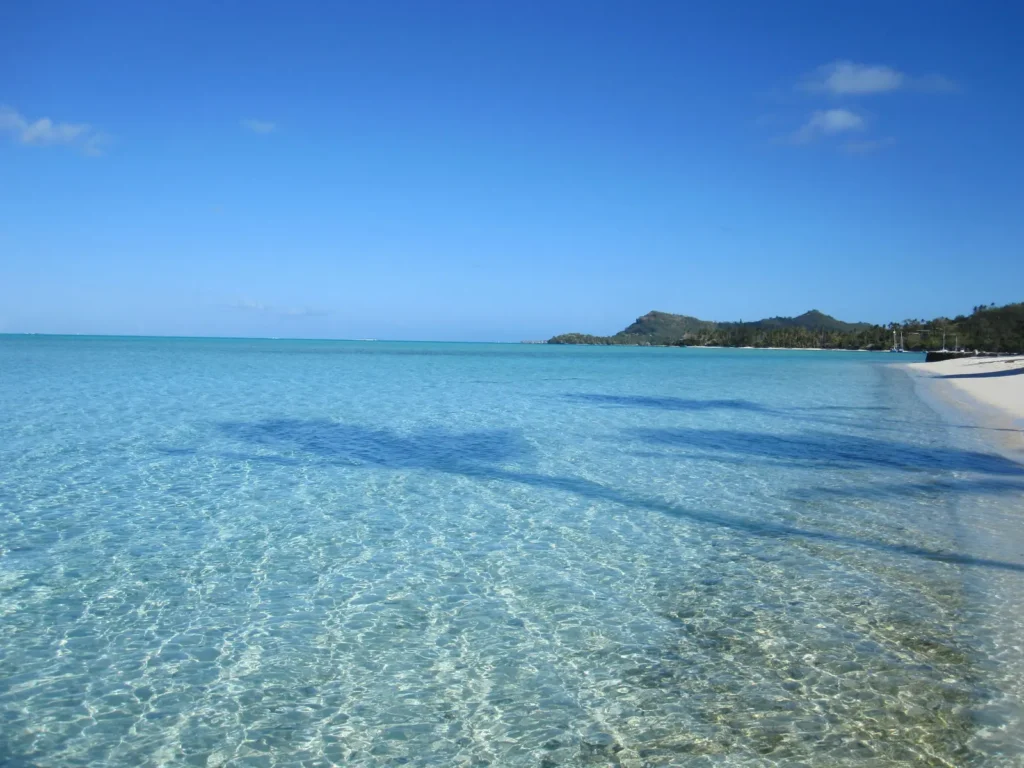
The two most accessible snorkeling spots — the Coral Gardens (also called “the Aquarium,” off Motu Pitiaau near the southern lagoon) and the Lagoonarium, a natural coral-ringed enclosure on the western side of the lagoon — are both reachable without a full-day boat charter and regularly turn up blacktip reef sharks, manta rays, spotted eagle rays, and sea turtles. August and September offer the best combination of water clarity and lighter boat traffic, with dry-season visibility running upward of 15 meters; spotted eagle rays are most active in the first two hours after sunrise, and the Coral Gardens themselves are calmest before 9am or after 3pm, once the midday tour-boat crowds have thinned out.
If you’d rather not join a group tour, the Coral Gardens are shore-accessible; the Lagoonarium and shark/ray feeding circuits generally require a guided boat tour, typically $60–$150 per person — confirm current pricing and inclusions with the operator, since it varies by trip length and group size.
How Bora Bora Compares to Moorea, Tahiti, and Rangiroa
| Island | Best Months | Vibe | Overwater Bungalows |
|---|---|---|---|
| Bora Bora | May–Oct | Iconic lagoon, luxury resorts, most photographed | Yes — the original, and the most expensive |
| Moorea | May–Oct | Same climate pattern, noticeably cheaper, closer to Tahiti | Limited |
| Tahiti | May–Oct | Main gateway island, more urban, black-sand beaches | Few |
| Rangiroa | Jun–Sep | World-class diving, coral atoll instead of a volcanic peak | Some |
If Bora Bora’s rates are outside your budget, Moorea shares the same seasonal pattern at a noticeably lower price point and is a short ferry from Tahiti’s international airport — a reasonable base if you want the region’s climate without the flagship-island premium.
Cyclone Season in Bora Bora: How Real Is the Risk?
The South Pacific cyclone season runs November through April — the same months as the wet season. Direct hits on Bora Bora are infrequent but not unheard of: in December 1991, Cyclone Wasa swept high seas into tourist bungalows and tourists were evacuated to a local church; in February 2010, Cyclone Oli passed near the island and caused notable erosion to Matira beach. The island sits near the eastern edge of the cyclone basin, and its barrier reef and wide lagoon blunt storm swells — but wind, rain, and surf impacts still reach shore in a major event.
What this means for your trip: for any November–April visit, buy travel insurance that explicitly covers weather disruption. Brief, intense storms are far more common than destructive cyclones — the realistic worst case is a lost beach day or two, not a ruined holiday.
Frequently Asked Questions
Do I need to spend a night in Tahiti before reaching Bora Bora?
If your international flight lands in Papeete in the late afternoon or evening, likely yes — the last domestic flight to Bora Bora may depart in the late afternoon, depending on the day’s schedule, and Air Tahiti’s Tahiti check-in counter normally closes 30 minutes before departure. Anyone landing after early afternoon should plan on an airport-area hotel in Tahiti for one night, and should double-check that day’s actual last-flight time when booking.
What’s the actual cheapest way to experience Bora Bora?
Book an entry-level main-island resort like the Maitai or InterContinental Le Moana (with rates depending on actual travel dates and room type) instead of a motu resort, and travel in the wet season outside the December holiday peak — that combination is the single biggest cost lever available.
When is the water clearest for snorkeling?
August and September, when dry-season visibility regularly exceeds 15 meters and boat traffic at the main sites is lighter than during the June–August school-holiday peak.
Is there a real cyclone risk?
Bora Bora sits far enough east in the South Pacific that cyclones are uncommon. The small risk window falls in February and March, well after the December rainfall peak.
Is Heiva worth planning a trip around?
If you want to see Bora Bora’s culture rather than just its lagoon, yes — but expect peak-season pricing and book flights and resorts months ahead, since the competition-night window overlaps with the island’s already-busiest travel season.
When is the wet season in Bora Bora?
November through April is generally wetter. In the 1991–2020 Bora-Bora-Motu-Aero normals, December averages about 251mm across roughly 17 days with at least 1mm of rain, and January about 245mm across 17 days. Drier months from May to October include July (about 62mm) and September (about 65mm); rain can still occur in any month.
What is the cheapest month to visit Bora Bora?
January and February may offer lower accommodation rates outside holiday dates, but prices depend on the resort, room type, and booking date. March is the value sweet spot within the cheap window: rain already easing while rates stay low. For the best balance of weather and value overall, look at April–May or October–November.
When is summer in Bora Bora?
Bora Bora is in the Southern Hemisphere, so its summer (December–February) is the warm, wet season — the reverse of Europe and North America. The most beach-perfect weather actually comes in the Southern Hemisphere winter: June through September, drier with average highs around 29°C.
What is Bora Bora’s weather like by month?
In Météo-France’s 1991–2020 Bora-Bora-Motu-Aero normals, rainfall ranges from about 62mm in July to about 251mm in December, while average daytime highs generally stay near 29–31°C. In short: choose your month by rain, not by heat — the full month-by-month breakdown is above.
Planning a broader South Pacific trip? See our guides to the best time to visit New Zealand and the best time to visit Hawaii for comparison. Planning around a specific month? See Bora Bora in December and Bora Bora in January.