Japan in June 2027: Weather, Rainy Season & Where to Go
Is June a Good Time to Visit Japan?
Japan in June suits travelers who can keep outdoor sightseeing flexible, enjoy museums and gardens, or build a separate Hokkaido trip. The main decision is where to go: mainland rainy-season planning, a cooler northern route and an Okinawa beach holiday involve different trade-offs. June is a workable month, but a poor choice for an itinerary that depends on clear mountain views every day.
Start with our best time to visit Japan guide if your dates are open. Here, the focus is a seven-night June trip: choosing bases, understanding the climate figures and keeping a useful alternative when a forecast changes.
| Choose this trip | Best fit | Main limitation |
|---|---|---|
| Tokyo and Kyoto, with an optional Osaka day | City culture, food, museums and gardens | Allow for wet walks and humid conditions |
| Hokkaido as its own route | A northern city trip with time outdoors | Rain remains possible; distances need planning |
| Consider another month | A trip built around long dry walks or reliable views | Changing months still cannot guarantee weather |
If mainland walking is your priority, compare Japan in May: Tokyo, Kyoto and Osaka have higher normal daytime highs and monthly rainfall in June than in May. The relevant distinction is seasonal conditions and your dates, rather than an assumption that one month is always cheaper. June also offers hydrangea-focused outings that give it its own appeal. JNTO’s June guide provides a useful national overview; the regional figures below explain why one description cannot cover the whole country.
Japan Weather in June: City-by-City Comparison
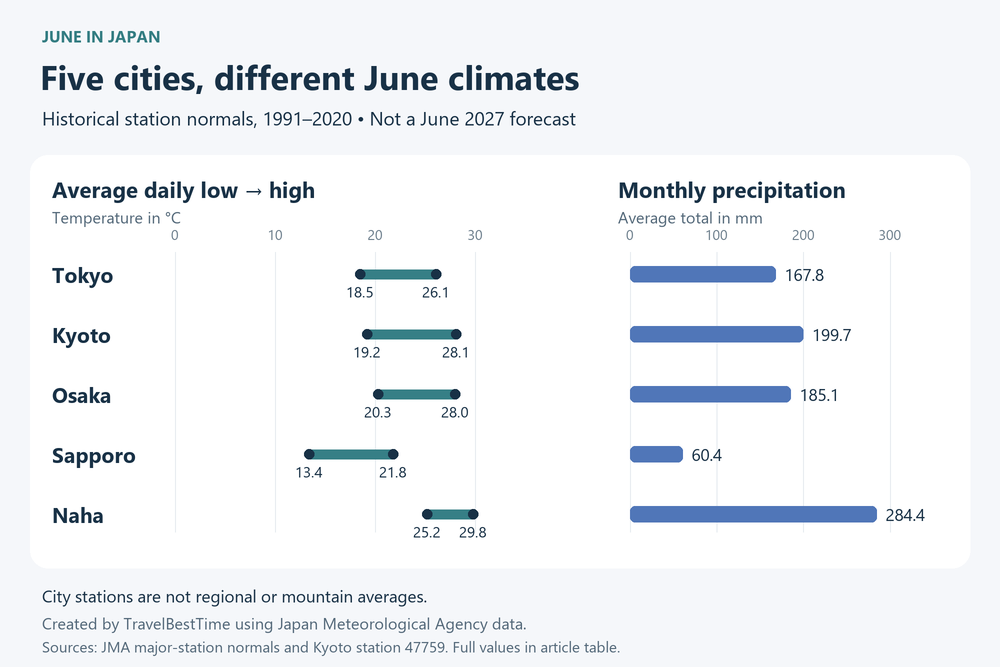
Historical climate normals, not a June 2027 forecast
These are Japan Meteorological Agency 1991–2020 station normals. Highs and lows are averages of daily maximum and minimum temperatures; rainfall is the average monthly total. They describe the historical baseline, not the weather booked for your week. Fahrenheit values are converted from Celsius and rounded to one decimal place.
| City / observing station | Average high | Average low | Monthly rainfall |
|---|---|---|---|
| Tokyo | 26.1°C / 79.0°F | 18.5°C / 65.3°F | 167.8 mm |
| Kyoto | 28.1°C / 82.6°F | 19.2°C / 66.6°F | 199.7 mm |
| Osaka | 28.0°C / 82.4°F | 20.3°C / 68.5°F | 185.1 mm |
| Sapporo | 21.8°C / 71.2°F | 13.4°C / 56.1°F | 60.4 mm |
| Naha, Okinawa | 29.8°C / 85.6°F | 25.2°C / 77.4°F | 284.4 mm |
Sources: JMA major-station normals for Tokyo, Osaka, Sapporo and Naha; JMA Kyoto station normals for Kyoto. These are city stations, not island-wide or mountain averages.
Tokyo, Kyoto and Osaka
For the mainland route, treat walking comfort as a daily planning question. Choose a hotel that keeps the station-to-door journey manageable with wet luggage. Leave room for breaks rather than fitting every temple or neighborhood into a fixed outdoor schedule. Kyoto’s official weather and clothing guidance and seasonal information are useful complements to station data, particularly for summer heat and rain.
Sapporo and Hokkaido
Sapporo offers a different baseline from the mainland cities, but its station cannot describe every part of Hokkaido. Pack a layer for evenings and check conditions at the actual place you intend to visit. A city holiday and an exposed mountain walk require different preparation. The route below stays with Sapporo and Hakodate instead of treating the island as a quick add-on.
Naha and Okinawa
Naha is the warmest and wettest of these five June stations. That supports a different packing and route decision, not a prediction that every island or every day will be the same. If snorkeling, a ferry or a boat excursion is the reason for going, check sea conditions separately; a land-weather summary is insufficient. JMA’s Okinawa marine information links to wave and tide information.
How Japan’s Rainy Season Affects a June Trip
Regional onset and withdrawal averages
JMA identifies Baiu, the early-summer cloudy and rainy period, regionally. Its normal transition dates are the centers of roughly five-day transition periods, not annual deadlines. Hokkaido is excluded from this typical Baiu pattern. JMA’s regional Baiu climatology uses 1991–2020 averages.
| Region | Normal onset | Normal withdrawal | Planning implication |
|---|---|---|---|
| Kanto/Koshin, including Tokyo | Around June 7 | Around July 19 | Retain mainland rain alternatives |
| Kinki, including Kyoto and Osaka | Around June 6 | Around July 19 | Do not assume late June is past Baiu |
| Northern Tohoku | Around June 15 | Around July 28 | Later onset is not immunity from rain |
| Okinawa | Around May 10 | Around June 21 | Earlier transition; no guaranteed beach date |
| Hokkaido | No typical Baiu onset assigned | Not applicable | Check ordinary local forecasts |
Early versus late June: what the averages cannot promise
An early-June mainland booking is not guaranteed to precede Baiu, and a late-June Okinawa booking is not guaranteed to follow it. Actual transitions vary. For a fixed week, make the route tolerable in mixed conditions rather than selecting dates around an imagined weather switch.
Rainfall, daily rain probability and sightseeing interruptions are different measures
A monthly rainfall total does not tell you how many days will be wet, how long a shower will last, or which afternoon is best for a garden. Do not divide the table’s millimeters by the days in June and treat the result as a daily forecast.
Use current forecasts to arrange individual outings. For heavy rain, follow JMA warnings and risk information, local instructions and transport notices. An ordinary wet-day alternative is not a reason to continue an excursion during a warning or disruption.
Best Places to Visit in Japan in June
Tokyo and Kamakura: museums, neighborhoods and hydrangeas
Tokyo works as a base when you group sights geographically and leave one day adjustable. Ueno is a useful example: a park walk and the Tokyo National Museum can occupy the same area without an additional cross-city transfer. Check the museum’s opening calendar; regular Monday closures and exceptions matter when choosing the indoor day.
Kamakura is an optional excursion for travelers particularly interested in flowers. Meigetsuin’s local tourism listing identifies its hydrangea gardens, while JNTO describes the usual June display. Bloom timing and 2027 admission arrangements need a closer-to-travel check. Keep the outing exchangeable with a Tokyo day; do not make a flower peak the condition on which the whole trip succeeds.
Kyoto and Osaka: a city route with indoor alternatives
Stay in Kyoto for several nights rather than changing hotels for every day trip. Make one outdoor district the day’s anchor and keep the second half less committed. If sustained rain makes temple walks unattractive, the Kyoto Railway Museum offers a different kind of visit near Umekoji Park. Its official access page places it beside the park and close to Umekoji-Kyotonishi Station; check its calendar because Wednesdays are normally closed.
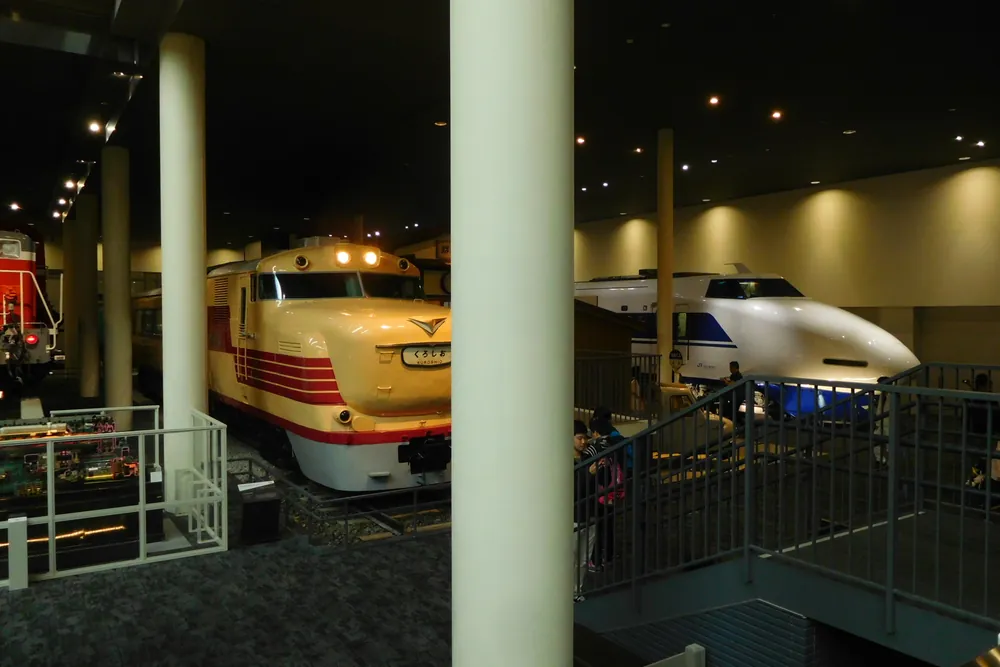
An Osaka day is optional, not an obligation. If you already have several must-see Kyoto places, keeping the day local gives you more freedom to move outdoor plans. Avoid calling every temple an indoor attraction: reaching halls, gardens and entrances can still involve exposed walking.
Hokkaido: a distinct northern itinerary
For seven nights, choose a small part of Hokkaido. Sapporo and Hakodate give you two city bases, a substantial transfer day and alternatives to spending every daylight hour outdoors. Sapporo’s official walking itinerary provides a central starting point around Odori and nearby sights. The Hokkaido Museum is a separate outing with its own access journey, not an instant shelter beside Odori Park.
This route is intended for city exploration and regional history. It does not promise peak lavender, mountain access or a particular flower display. Choose a different, specifically researched route if those are your main reasons for visiting.
Hakone or Fuji scenery: retain a visibility backup
Choose a scenic side trip because you would enjoy the destination even without a clear Mount Fuji view. In Hakone, the Pola Museum of Art is an indoor option, but reaching it still requires a planned journey. It is not a nearby substitute for every lake or ropeway stop.
For the seven-night mainland itinerary below, a Fuji-area excursion should replace another outing rather than create a third hotel base. June summit climbing is not part of this plan. The official Fuji climbing site warns about off-season climbing; its current operating information must not be treated as a confirmed 2027 schedule.
Okinawa: a separate weather and marine decision
Choose Okinawa for an island-focused holiday, with enough flexibility for changed water activities. Do not bolt a brief island stay onto the mainland week simply because its normal rainy-season withdrawal is earlier. Check wind, waves, warnings and the operator’s decision for the actual activity and location. A sunny interval onshore does not establish safe conditions offshore. The Okinawa marine-safety portal offers beach-specific information and hazards.
These pairings help keep alternatives geographically sensible:
| Outdoor anchor | Nearby indoor alternative | Limit to remember |
|---|---|---|
| Ueno Park, Tokyo | Tokyo National Museum in the Ueno area | Check museum closure days |
| Umekoji Park, Kyoto | Kyoto Railway Museum beside the park | Normally closed Wednesdays |
| Goryokaku Park, Hakodate | Goryokaku Tower beside the park | Indoor viewing still depends on visibility |
| Motomachi slopes, Hakodate | Old Public Hall in Motomachi | Check admission and the wet uphill approach |
Sources for the Hakodate pairings: official Goryokaku Tower and Hokkaido tourism’s Old Public Hall listing. These are alternatives for ordinary mixed weather, not guaranteed access during severe conditions.
Two Realistic 7-Night Japan Itineraries for June
Three nights Tokyo and four nights Kyoto
This is a suggested allocation, not a booked tour. Arrive in Tokyo on day 1 and leave from the Kansai region on day 8 if suitable flights are available. A Tokyo return flight requires a separate transfer plan; do not assume that journey fits effortlessly before an early departure. Kyoto’s official transport guidance identifies the Tokyo–Kyoto Shinkansen connection. Check the timetable for your dates.
| Day | Overnight | Main plan | Wet-weather adjustment |
|---|---|---|---|
| 1 | Tokyo | Arrive, check in and keep dinner local | Drop the optional walk |
| 2 | Tokyo | Ueno area and a neighborhood walk | Give the museum more time if open |
| 3 | Tokyo | Kamakura if flowers and conditions justify it | Stay in Tokyo; rearrange museum time |
| 4 | Kyoto | Train to Kyoto, then settle into the hotel | Keep the arrival afternoon light |
| 5 | Kyoto | One temple district, with breaks | Exchange with the indoor day |
| 6 | Kyoto | Umekoji area and Railway Museum if open | Focus on the museum; shorten park time |
| 7 | Kyoto | Finish Kyoto priorities or take an Osaka day | Keep the day local if travel is disrupted |
| 8 | None | Depart via the planned airport | Preserve transfer time; add no major outing |
Night check: Tokyo 3 + Kyoto 4 = 7. Day 3 is the first item to drop if you prefer a slower Tokyo stay. A museum closure may require exchanging entire days, so keep the table as a sequence of priorities rather than a promise that every option is open on any weekday.
A Hokkaido-focused alternative: four nights Sapporo and three nights Hakodate
Arrive through New Chitose and plan onward departure from Hakodate if flights suit your journey. Check the complete airfare and connection, rather than assuming this is the cheapest arrangement. Returning to New Chitose requires additional travel time and may warrant changing the route.
JR Hokkaido’s route and train guide lists the Sapporo–Hakodate corridor; its operation information identifies the Hokuto service. Allow about four hours on the train as a planning guide, plus time for hotel access and bags. JR Hokkaido’s current route guide gives about 3 hours 50 minutes for Sapporo–Hakodate; check your actual 2027 service. All JR Hokkaido limited-express seats are currently reserved. For Hokuto, check the operator’s booking guidance: ordinary ticket purchases currently open at 10 a.m. Japan time one month before travel. Confirm the 2027 rules and leave time to collect any required tickets before boarding.
| Day | Overnight | Main plan | Wet-weather adjustment |
|---|---|---|---|
| 1 | Sapporo | Airport transfer and a relaxed arrival | Stay close to the hotel |
| 2 | Sapporo | Central sights and Odori area | Reduce walking; take longer meal breaks |
| 3 | Sapporo | Hokkaido Museum (usually closed Mondays; verify your date) | Use the indoor visit as the main anchor |
| 4 | Sapporo | Flexible city day; festival if dates align | Adjust to the current program and conditions |
| 5 | Hakodate | Reserved train journey and hotel check-in | Leave sightseeing optional |
| 6 | Hakodate | Goryokaku Park and Tower | Shorten park time; visibility may limit views |
| 7 | Hakodate | Motomachi and waterfront area | Public Hall or Museum of Northern Peoples |
| 8 | None | Airport transfer and departure | Keep a transport buffer |
Night check: Sapporo 4 + Hakodate 3 = 7. The Museum of Northern Peoples listing documents its Suehiro-cho location and visitor information. Hakodate Bus lists airport connections; choose the correct service rather than assuming every bus follows the same route or takes the same time.
June 2027 Festivals and Seasonal Experiences
Event information was checked individually on October 28, 2026. A confirmed festival date does not confirm every performance, admission arrangement or transport service.
YOSAKOI Soran Festival, Sapporo — confirmed June 9–13, 2027, Wednesday–Sunday. The organizer’s 36th-festival announcement, dated July 23, 2026, explicitly gives those dates. Performance schedules and viewing arrangements need a later check. Choose your Sapporo nights around the confirmed window only if the festival is a priority.
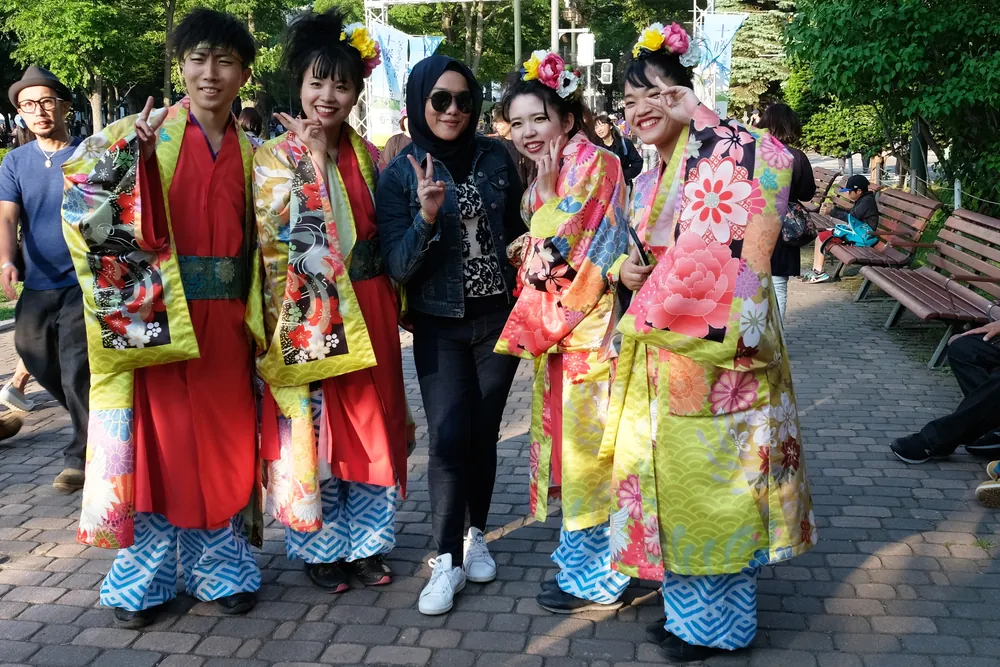
Hokkaido Shrine Festival — recurring reference; detailed 2027 arrangements not verified. The shrine’s festival page describes the annual observance on June 14–16. That supports a traditional calendar reference, not a confirmed 2027 procession timetable. Confirm the organizer’s 2027 program before making a nonrefundable festival-specific booking.
Kamakura hydrangeas — seasonal experience, not a fixed 2027 event date. June is the usual viewing context in the tourism sources linked above. Actual bloom progress, garden access and any special admission arrangements remain conditional. No firefly event or mountain opening is assigned a 2027 date in this guide without a verified organizer announcement.
The Cabinet Office’s 2027 national-holiday list contains no June national public holidays. That does not rule out busy weekends, festivals, school visits or local events.
What to Wear and Pack for Japan in June
For mainland city sightseeing, start with breathable clothing, a compact umbrella, a light rain layer and footwear you have already tested on wet pavement. Carry spare socks and a small bag for damp items. Choose a rain layer you can remove easily when entering a museum or boarding a train; do not rely on one heavy jacket for every condition. Kyoto’s clothing guidance is a useful regional check before packing.
For Hokkaido, add a warmer layer rather than copying a Naha packing list. Reassess clothing for any higher-elevation outing using its local forecast and access advice. City rainwear is not mountain equipment.
Pack so you can reach rain protection without emptying your luggage at a station. Keep essential electronics and travel documents protected from water, and leave enough space to separate wet clothes. These are practical suggestions, not a claim that every June day requires an umbrella. Revise the final bag after checking the forecast shortly before departure.
Crowds, Hotels and Transport Costs in June
Compare June and May for your actual dates rather than assuming a nationwide low season. Match room type, cancellation terms, baggage costs and total transport when comparing quotes. Check a Sapporo festival stay separately from an ordinary city week; the absence of a national holiday does not establish low demand.
A useful booking sequence is to settle the route and arrival/departure airports, compare accommodation near practical transport, and then check the individual long-distance tickets. Compare a rail pass with those journeys rather than assuming the pass saves money. Neither sample itinerary supplies a fare quote or a guaranteed connection.
For daily plans, reserve time-sensitive attractions selectively and leave some outdoor slots movable. When weather changes, check opening calendars before exchanging two days. A fully prepaid schedule can remove the flexibility that makes this month work well for a city-focused traveler.
Japan in June: Frequently Asked Questions
Does it rain every day in Japan in June?
There is no nationwide daily pattern you can infer from monthly averages. Conditions vary by region and year. Use the climate tables for route selection and current forecasts for individual days; do not read a monthly rainfall total as a daily rain probability.
Is Hokkaido rain-free in June?
No. Hokkaido is outside the typical Baiu pattern described by JMA, but Sapporo’s June normal still includes rainfall. Keep an indoor option and use the forecast for the destination rather than treating the whole island as one weather station.
Is June cheaper than May?
It depends on dates, location, room and transport choices. This guide has no comparable price dataset proving a national ranking. Compare actual quotes; use the May guide to assess seasonal trade-offs rather than to assume a guaranteed discount.
Can I climb Mount Fuji in June 2027?
Do not plan a standard tourist summit climb from this guide. June falls outside the usual official climbing season; 2027 route-opening and operating details have not been verified. Check the official climbing information separately. A scenic visit near Fuji does not imply summit access.
Is late June better than early June?
Not everywhere, and not reliably for a specific week. Regional Baiu averages describe different seasonal timing, not a fixed improvement date. Choose the route that suits your interests and keep weather-dependent outings flexible.
Is Okinawa a good choice in June?
It can suit a flexible island holiday, but select it as its own trip. Rainy-season averages do not guarantee beach weather, safe sea conditions or operating boat excursions. Check local forecasts, marine information and the activity operator for your dates.