Best Time to Visit India: A Month-by-Month Guide
Visit India between October and March for the best overall weather nationwide: dry, cool conditions across the northern plains before pre-monsoon heat and the rains return. That advice only holds together, though, once you know the monsoon itself isn’t one nationwide event — it’s a weather system that crosses the subcontinent over roughly six weeks, soaking Kerala first and not reaching Delhi until a month or more later. Layer that rolling monsoon onto a country the size of Western Europe — sub-zero Himalayan winters, 45°C desert days, a tropical coast that stays warm and humid nearly year-round — and the calendar starts to matter less than the map.
Quick answer: The best overall time to visit India is October through March, when the northern plains (Delhi, Agra, Jaipur, Varanasi) are dry and comfortably cool, before the brutal pre-monsoon heat builds from April onward. Within that window, November through February is coolest and most popular; the Kerala coast follows a similar dry-season calendar, while the Himalayan north (Manali, Shimla, Leh) flips this entirely — its single best window is October and November, with mid-April to mid-June as a secondary, warmer option, since winter closes mountain roads and buries hill stations in snow.
How the Monsoon Actually Crosses India
Most “best time to visit” guides treat “monsoon season” as one nationwide event. It isn’t — the southwest monsoon is a weather system that physically travels across the country over roughly six weeks, and knowing where it is on the calendar matters more than knowing “it’s monsoon season somewhere.” Thailand deals with a smaller-scale version of the same problem, where two coasts run on offset monsoon schedules — but India’s version plays out across a far larger map.
Important caveat before the dates below: these are long-period normal onset dates — 30-year climatological averages, not forecasts or guarantees. Actual onset in any given year can run a week or more early or late (2026’s Kerala onset, for example, arrived nearly a week ahead of normal). Use these dates to understand the pattern and sequence, not to book non-refundable travel around a specific calendar day.
According to India Meteorological Department (IMD) climatology (1961–2020 normals), the monsoon’s northward march runs on a fairly consistent schedule:
- Andaman & Nicobar Islands — around May 20, the first landfall.
- Kerala — around June 1, the monsoon’s official mainland onset, and the reference date the entire season is measured against.
- Mumbai and the Maharashtra coast — around June 11, ten days behind Kerala.
- Kolkata and the northeast — around June 10, arriving on a separate eastern track.
- Delhi and the northern plains — around June 27–29, nearly a month after Kerala.
- Full national coverage — around July 15, when the entire country is under monsoon conditions.
The withdrawal runs in reverse, starting from west Rajasthan around mid-September and retreating southward over the following two to three months — which is why Rajasthan and Delhi can be dry again by early October while Kerala and the southeast are still seeing lingering rain into November.
Why this matters for planning: a trip in the first week of June can mean dry, scorching heat in Delhi and Rajasthan at the exact same time Kerala is getting drenched — the same calendar week producing opposite advice depending on where you’re going.
Which Region Fits What You Want
Rather than repeating the same “best time” logic five times, here’s the decision the other way around — starting from what you want to do:
| If you want… | Go to… | Best months |
|---|---|---|
| Taj Mahal, forts, classic sightseeing | Delhi, Agra, Jaipur (Golden Triangle) | November–February |
| Desert forts, camel safaris, palace hotels | Rajasthan (Jaipur, Jaisalmer, Udaipur) | Mid-November–mid-February |
| Ganges ceremonies, temples, spiritual travel | Varanasi | Mid-November–mid-February |
| Backwaters, beaches, Ayurveda | Kerala | December–February (sightseeing) or June–August (Ayurvedic treatment specifically) |
| Mountain trekking, scenery, cooler air | Himalayan north (Manali, Shimla) | October–November (best), or mid-April–mid-June (secondary window) |
| High-altitude Ladakh specifically | Leh, Ladakh | June–September, when mountain passes are open |
| Tiger and wildlife safaris | Central India (Ranthambore, Bandhavgarh) | March–May — dry vegetation and low water concentrate wildlife near remaining waterholes; the hottest months for humans are the best for sightings |
Best Time to Visit Delhi, Agra, and the Golden Triangle
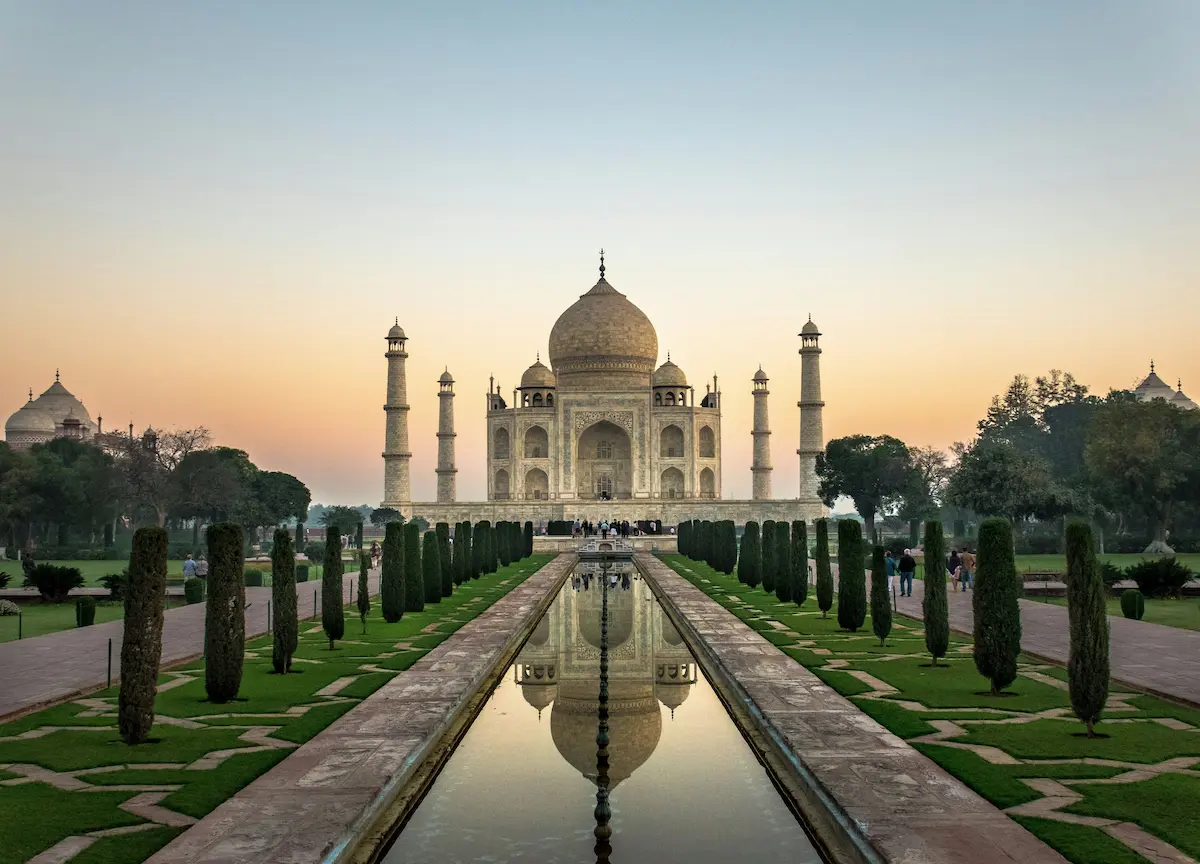
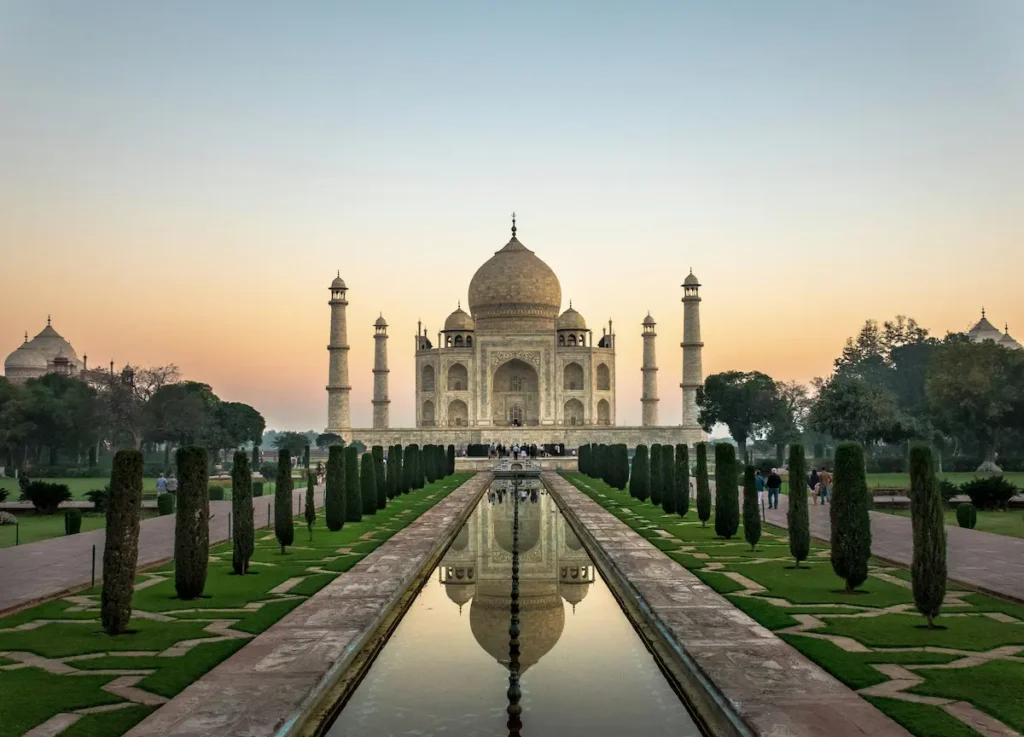
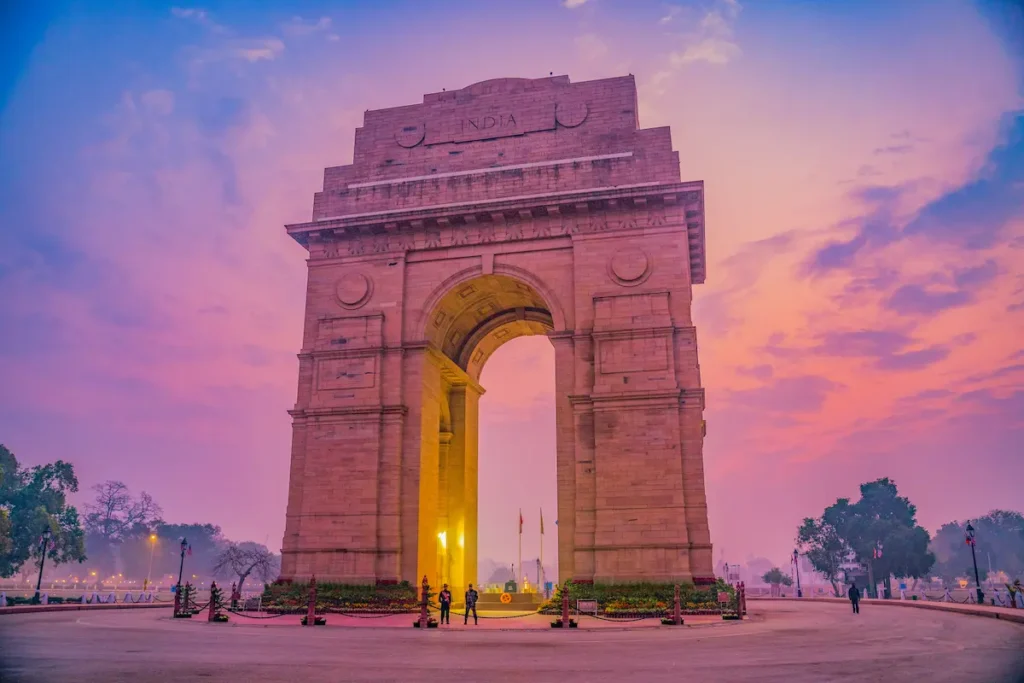
The best time to visit Delhi and the Golden Triangle is November through February, when daytime temperatures sit in the comfortable high teens to mid-20s°C and rain is essentially absent. Within that window, be aware that mid-December through late January brings Delhi’s coldest, foggiest stretch — dense early-morning fog driven partly by air pollution can delay flights and keep visibility low even during the day. Delhi’s air pollution is worst across this same October-to-February window that’s otherwise climatically ideal, a genuine trade-off worth factoring in for travelers with respiratory sensitivities.
The first half of March is usually still workable, with highs generally under 34°C, before the real pre-monsoon heat sets in. By April, daytime highs regularly exceed 37°C, and May and June bring the year’s most extreme heat — over 40°C is routine, with occasional spikes past 46°C in the hottest recorded years (Climates to Travel, 1991–2020 Delhi normals).
Best Time to Visit Rajasthan (Jaipur, Jaisalmer, Udaipur)
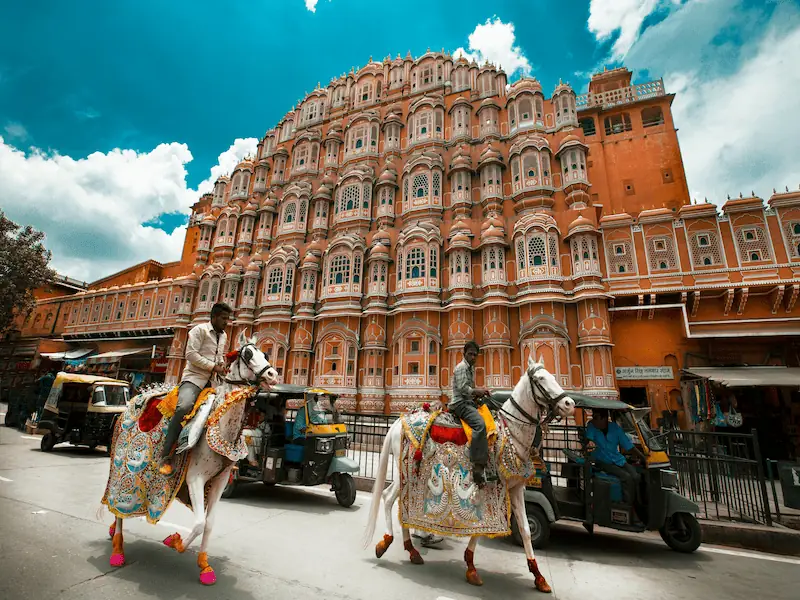
The best time to visit Rajasthan is mid-November through mid-February, the coolest stretch within the state’s long dry season. Jaipur specifically sees very little rain outside a short monsoon window from July into early September, and the rest of the year is reliably dry — meaning “dry season” here is close to a near-guarantee rather than a probability.
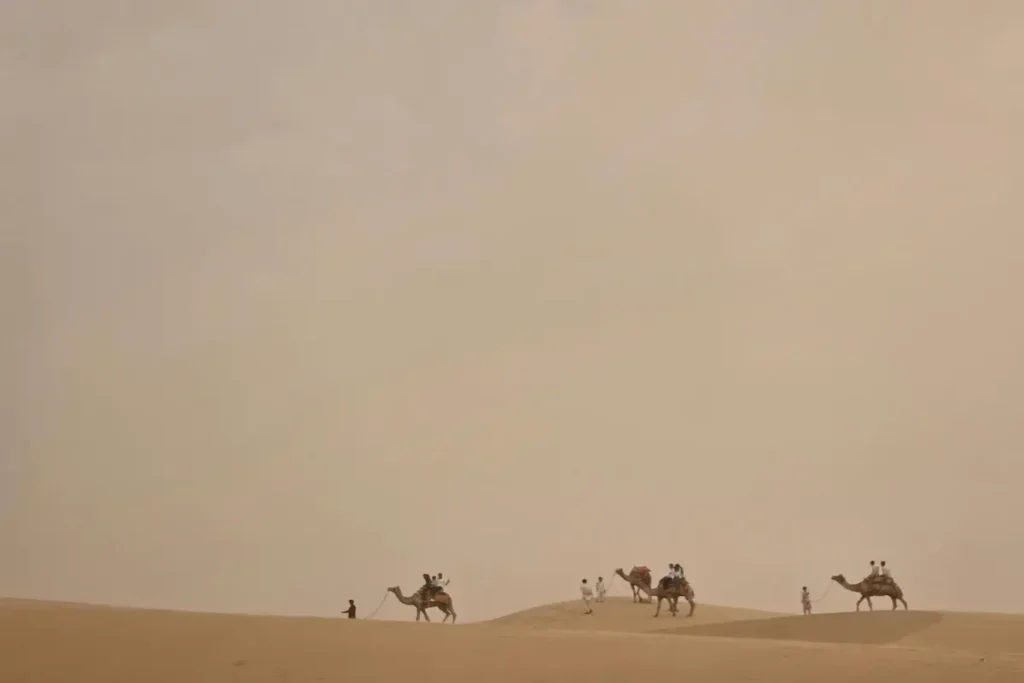
From mid-March to mid-June, Rajasthan gets genuinely brutal — daytime highs regularly exceed 40°C and can push past 45°C in the desert west around Jaisalmer, hotter even than Delhi over the same period. This is also when the desert landscape is starkest and least green, since the dry season runs so long, and when a hazy pre-monsoon dust atmosphere is common across the Thar Desert.
Beyond Jaipur, the desert stretch toward Jaisalmer is where Rajasthan’s dry-season advantage shows up most clearly — multi-day camel safaris into the Thar Desert are only really comfortable within that same November-to-February window, since daytime heat outside it makes extended time in the open desert genuinely risky.
Best Time to Visit Varanasi and the Ganges Plain
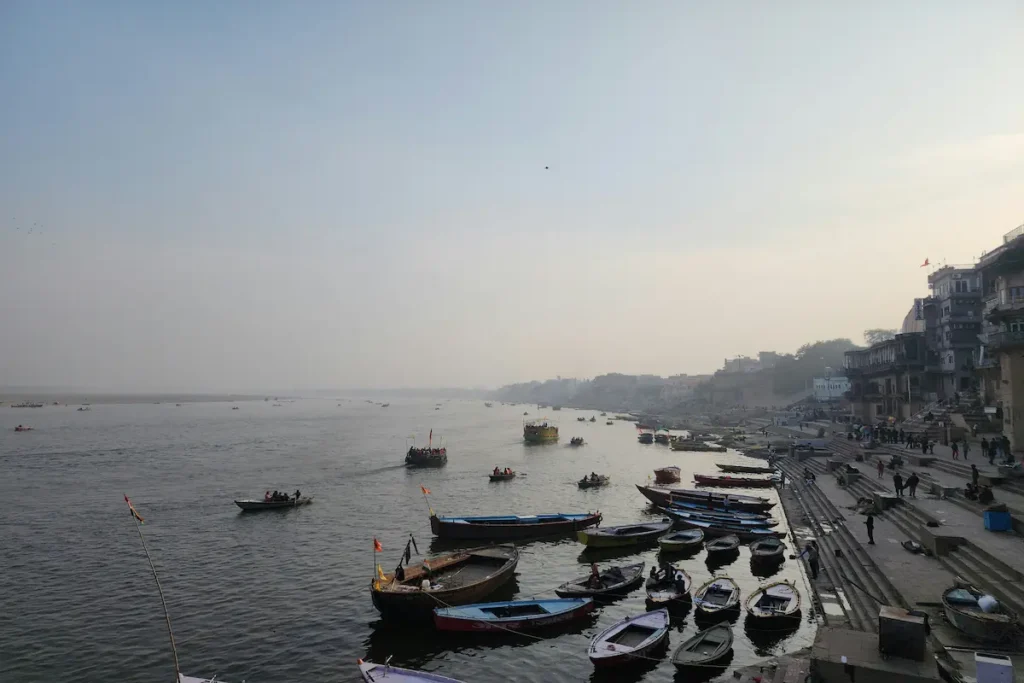
Varanasi runs on essentially the same subtropical calendar as Delhi, but with two differences worth knowing before you plan a trip specifically for the ghats and river ceremonies. The best time to visit is mid-November through mid-February — average highs around 22–27°C, minimal rain, and the clearest conditions for the evening Ganga Aarti ceremonies along the riverfront. Like Delhi, this same window brings Varanasi’s heaviest air pollution and, from mid-December to mid-January, persistent morning fog that can delay sunrise boat rides on the Ganges — worth budgeting a flexible morning or two if a dawn river trip is a priority.
Varanasi’s monsoon (roughly mid-June to early October) is notably wetter than Delhi’s, with August alone averaging around 280mm of rain, and the pre-monsoon heat from mid-March to mid-June is just as extreme — daytime highs regularly exceed 40°C and have reached 47°C in the hottest recorded years (Climates to Travel, 1991–2020 Varanasi normals).
Best Time to Visit Kerala and the Backwaters
The best time to visit Kerala is December through February, the driest, most comfortable stretch of the year, with daytime highs in the low-to-mid 30s°C and minimal rain. November is a transition month rather than a clean start to the dry season — the southwest monsoon is winding down but still delivers around 150mm of rain on average, so December is really where the reliably dry stretch begins. March through May stays dry but gets noticeably hotter and more humid ahead of the monsoon, which then arrives with real force from June through September — June alone can bring around 700mm of rain on average (per Climates to Travel’s 1991–2020 Kochi normals), more than many countries see in a year.
Question: Is the Kerala monsoon actually worth experiencing on purpose? Some travelers plan around it deliberately — Ayurvedic wellness centers in Kerala market the monsoon months (particularly June through August) as their traditional treatment season, based on the Ayurvedic belief that monsoon humidity helps the body better absorb medicated oils during panchakarma treatments. This is a traditional rationale rather than a claim with independent clinical backing, but it’s a genuine, long-standing part of why Kerala’s wellness tourism industry treats this as prime season rather than the off-season the weather alone would suggest. Outside of that specific purpose, the near-daily heavy rain makes backwater houseboat trips and outdoor sightseeing genuinely harder to plan around.
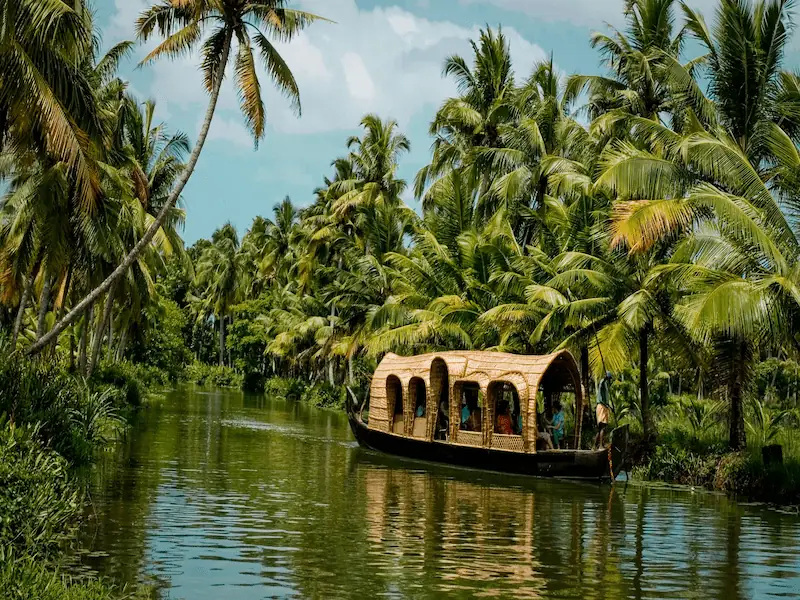
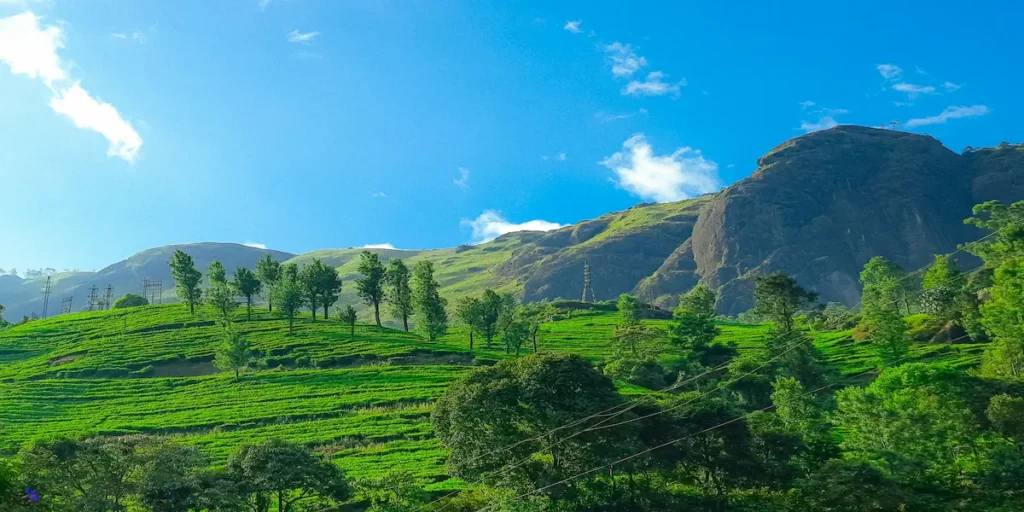
Inland from the backwaters, the hill country around Munnar runs slightly cooler year-round thanks to elevation, and its tea plantations stay green through the same dry season that suits the coast — a natural add-on for travelers who want a break from beach and boat itineraries without leaving the state’s best weather window.
Best Time to Visit the Himalayan North (Manali, Shimla, Ladakh)
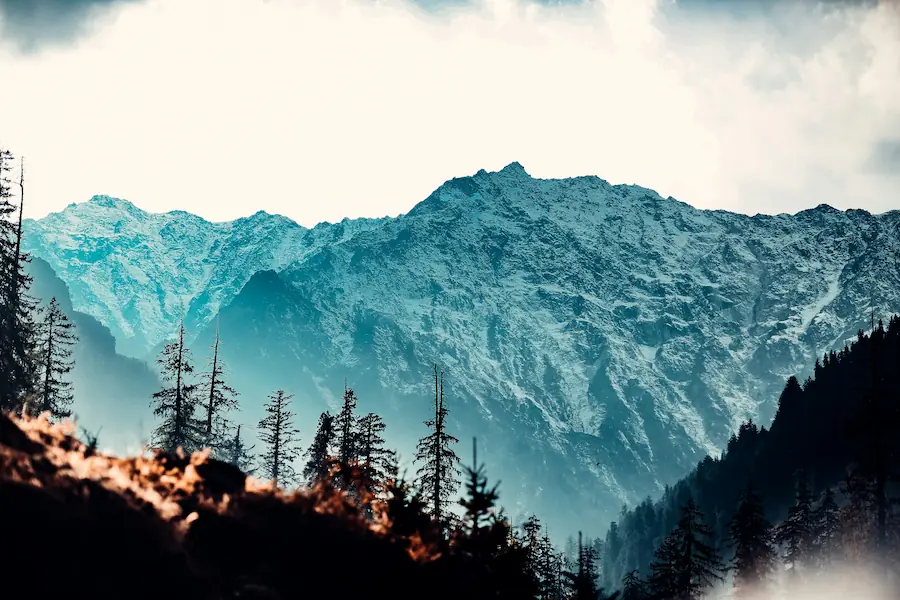
The best time to visit the Himalayan north runs on a completely different calendar from the rest of India. Autumn (October and November) is generally considered the best window — the driest, clearest weather of the year, with mild days and progressively colder nights. Late spring into early summer (mid-April to mid-June) is the second-best option, warm and mostly dry before the monsoon arrives, though rainier overall than autumn.
Worth knowing: the monsoon (late June to late September) brings real landslide and road-closure risk on mountain highways, and this is also the window during which the high-altitude routes toward Ladakh can still be reached, since the Rohtang Pass and similar high crossings only fully open from around June to October — winter (December through February) closes these roads entirely under snow, and Manali itself regularly sees nighttime lows well below freezing. It’s the same kind of manageable, worth-checking-forecasts-first risk we flag for Japan’s typhoon season — genuine, but not a reason to write the window off entirely.
India Festivals Worth Timing Your Trip Around
India’s festival calendar is dense enough to plan an entire trip around a single week — and unlike a fixed-date holiday, most major festivals shift year to year on the lunar or solar calendar:
- Republic Day — January 26. A fixed national holiday, with the largest parade in Delhi.
- Holi (Festival of Colors) — March 4, 2026 (Holika Dahan bonfire the evening before, March 3). Most intensely celebrated in northern India, particularly Mathura and Vrindavan; expect streets full of color, water, and crowds, with reduced transport and early closures on the day itself.
- Onam (Kerala) — August 26, 2026 (Thiruvonam, the festival’s main day; the full ten-day celebration begins August 16). Kerala’s biggest harvest festival, marked by elaborate flower carpets (pookalam), boat races, and the Onasadya feast.
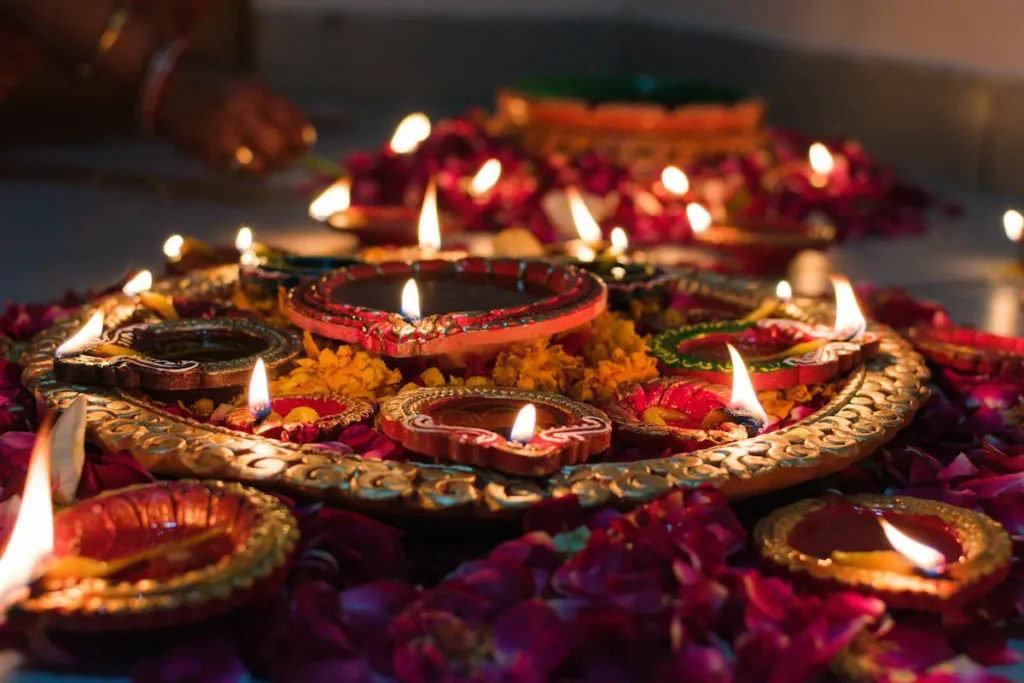
- Diwali (Festival of Lights) — November 8, 2026 (the five-day celebration runs November 6–10). India’s most widely celebrated festival nationwide — homes and temples lit with diyas, fireworks, and family gatherings; expect accommodation and domestic flights to book up well in advance. Varanasi’s Dev Deepawali, held roughly two weeks after Diwali on Kartik Purnima, lights thousands of diyas along the ghats and is a distinct, separate event worth knowing about if you’re building a Varanasi-specific itinerary.
- Pushkar Camel Fair (Rajasthan) — expected mid-to-late November 2026, timed to Kartik Purnima (sources vary on the exact dates; confirm closer to your travel date). One of the world’s largest camel and livestock fairs, drawing tens of thousands of animals and hundreds of thousands of visitors to the desert town of Pushkar.
Example: If you’re building a November itinerary around Rajasthan, timing your visit around the Pushkar Camel Fair turns a standard desert-state trip into something considerably more memorable — just book accommodation early, since the fair draws visitors from across the world.
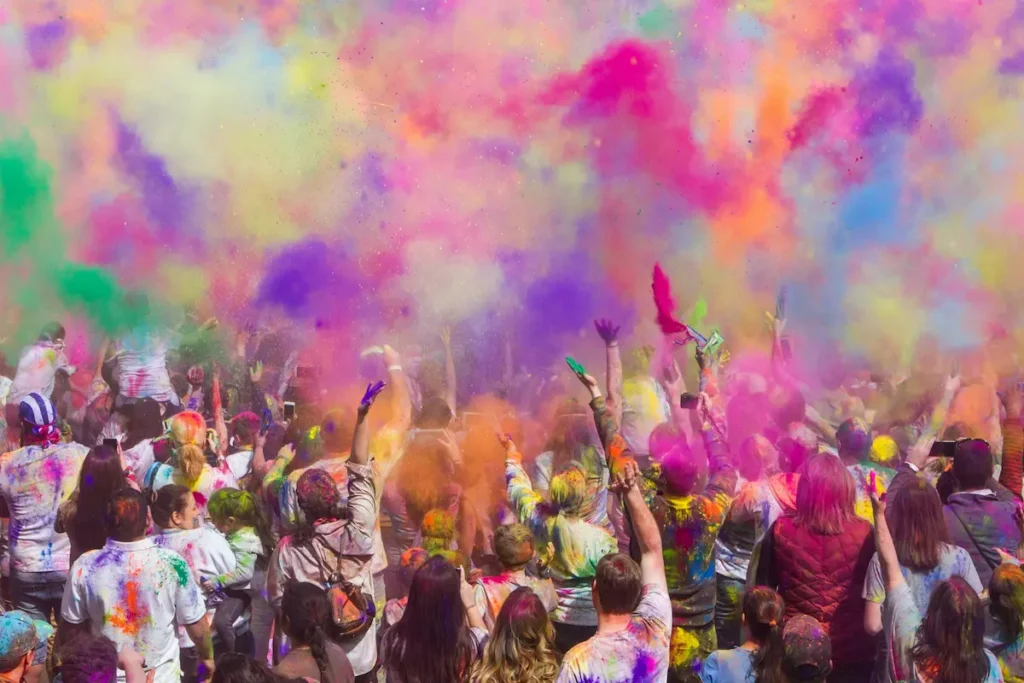
Where Holi is a springtime, color-and-water celebration, Diwali sits at the opposite end of the sensory spectrum — a quieter, light-based festival centered on home and temple, making the two a useful before-and-after contrast if you’re deciding which one to build a trip around.
India Weather and Travel Costs by Season
- Peak season (November–February): the highest prices of the year across the Golden Triangle, Rajasthan, Varanasi, and Kerala, driven by international visitors and the comfortable dry-season weather. December and January carry the steepest premiums.
- Shoulder season (March, September–October): a genuine value window in the north and Rajasthan — noticeably lower prices with weather that’s still workable, though getting hotter (March) or just past monsoon (September–October). This is also peak season in the Himalayan north, where autumn is the best weather window of the year.
- Low season (April–August in the plains): the cheapest window nationwide for Delhi, Rajasthan, Varanasi, and Kerala, driven by extreme heat (April–June) and monsoon rain (June–September) suppressing demand — though this same window is workable, even ideal, for the Himalayan hill stations, which stay cool while the plains bake.
| Month | Delhi Temp | Rainfall Level | Rajasthan (Jaipur) Conditions | Varanasi Conditions | Kerala (Kochi) Conditions | Himalayas (Manali) Conditions | Best For |
|---|---|---|---|---|---|---|---|
| January | 7.6–20.5°C | 20mm | Mild, 8.6–23.2°C, coldest month, foggy nights | Mild, 9.4–21.8°C, coldest month, fog risk | Warm, 23.1–31.9°C, driest month (25mm) | Cold, -1.1–10.5°C, occasional snow | Peak dry-season travel, Republic Day |
| February | 10.8–24.6°C | 20mm | Warm, 12.2–26.8°C, still dry | Warm, 12.8–26.7°C, mild, some fog | Warm, 24.2–32.3°C, driest month (25mm) | Cold, 0.3–12°C, snow possible | Dry-season sightseeing nationwide |
| March | 15.7–30.4°C | 15mm | Warm to hot, 17.6–32.6°C, heat building | Warm to hot, 17.3–33.2°C, heat building | Warm, 25.4–32.9°C, pre-monsoon warmth | Cool, 3.3–17.1°C, first spring rains | Holi, last comfortable month up north |
| April | 21.3–36.9°C | 13mm | Very hot, 22.8–37.8°C | Very hot, 22.4–38.6°C | Hot, 25.6–33.2°C, humidity rising | Mild, 6.4–21.4°C, good trekking weather | Himalayan travel begins, avoid the plains |
| May | 25.6–40.1°C | 30mm | Scorching, 27.1–41.6°C, can exceed 45°C | Scorching, 26.3–40.5°C, hottest month, can exceed 45°C | Hot, wet season starting, 25.5–32.5°C, 285mm rain | Warm, 9.3–24.9°C, can exceed 30°C in good weather | Himalayan hill stations only |
| June | 27.6–39°C | 80mm | Scorching, 27.8–40.4°C, monsoon approaching | Scorching, 27.9–38.4°C, monsoon arrives late month | Wettest month, 24.2–30.7°C, 700mm rain | Warm, 13–26.4°C, monsoon arrives late month | Last window before monsoon in the Himalayas |
| July | 27.3–35.8°C | 185mm | Hot, muggy, 26.1–35.5°C, 180mm rain | Hot, muggy, 26.9–34.2°C, 260mm rain | Warm, wettest window continues, 23.7–29.9°C, 575mm rain | Warm, 16–25.7°C, monsoon peak, landslide risk | Deep budget, avoid mountain roads |
| August | 26.6–34.5°C | 235mm (wettest) | Hot, muggy, 25–33.4°C, wettest month (190mm) | Hot, muggy, 26.6–33.5°C, wettest month (280mm) | Warm, 24–29.9°C, 380mm rain | Warm, 16.1–25.3°C, monsoon continues | Onam, deep budget travel |
| September | 24.9–34.3°C | 130mm | Hot, 24–34.7°C, monsoon easing | Hot, muggy, 25.8–33.5°C, 230mm rain | Warm, 24.2–30.4°C, 310mm rain | Mild, 12.2–24.2°C, monsoon tapering | Late shoulder value nationwide |
| October | 19.3–33.1°C | 14mm | Warm to hot, 20.4–34.5°C, dry season returns | Warm to hot, 21.8–32.9°C, drying out | Warm, 24–30.8°C, 365mm rain, monsoon lingers | Cool, 6.3–21.6°C, driest, clearest month | Himalayan autumn, Dussehra |
| November | 12.9–28.3°C | 5mm | Warm, 14.8–29.9°C, driest month | Warm, 15.8–29.5°C, driest month, fog begins | Warm, 24–31.5°C, 150mm rain, monsoon tapering — transition month | Cool, 2.6–17.3°C, dry, cold nights | Diwali, Pushkar Camel Fair, dry-season start (plains) |
| December | 8.3–23°C | 9mm | Mild, 9.9–25.4°C, driest month | Mild, 10.8–24°C, driest month, fog risk | Warm, 23.3–31.8°C, 40mm rain | Cold, 0.3–13.5°C, snow likely | Peak dry-season travel, plains only |
Figures are 1991–2020 climate normals for Delhi, Jaipur (Rajasthan), Varanasi, Kochi (Kerala), and Manali (Himalayas). Source: Climates to Travel (climatestotravel.com), pulled directly from each city’s individual page.
Frequently Asked Questions
What is the cheapest month to visit India?
April through August is generally cheapest across Delhi, Rajasthan, Varanasi, and Kerala, driven by extreme heat and monsoon rain suppressing demand. The same months are peak season in the Himalayan hill stations, so prices there move in the opposite direction.
Is it safe to visit India during monsoon season?
Millions of people travel through the June–September monsoon without major disruption, but heavy rain can affect sightseeing, road travel, and especially mountain routes in the Himalayan north, where landslide risk is real. Kerala’s monsoon is the most intense in terms of rainfall volume; Rajasthan’s is comparatively light.
When is the best time to visit India for the Taj Mahal?
November through February, avoiding both the summer heat (which can exceed 40°C in Agra) and the monsoon humidity. Early morning visits are recommended year-round to beat both crowds and heat.
Does the whole country follow the same monsoon calendar?
No — this is the single biggest misconception. Kerala’s monsoon arrives first, typically in early June, and the rains progress northward and eastward over the following weeks, reaching Delhi and Varanasi by late June and the Himalayan north shortly after. The Himalayan region’s monsoon pattern is further shaped by mountain geography and can bring landslide risk that has nothing to do with conditions in Delhi or Rajasthan at the same time.
Is Varanasi worth visiting outside the cool season?
It’s possible, but the trade-offs are real — pre-monsoon heat (mid-March to mid-June) can exceed 40°C, and the monsoon (mid-June to early October) brings the year’s heaviest rain to a city built around riverfront ceremonies best experienced outdoors. November through February remains the clear recommendation for a first visit.
Is India a year-round destination?
Yes, provided the region matches the season. The northern plains, Rajasthan, Varanasi, and Kerala are best November through February; the Himalayan north flips this, with October and November as its best window and winter closing many high-altitude roads entirely.
Weather patterns, prices, and event dates can change. Always verify current conditions and details with official sources before booking your trip. See our Disclaimer for more information.