Japan in May 2027: Weather, Crowds & Where to Go
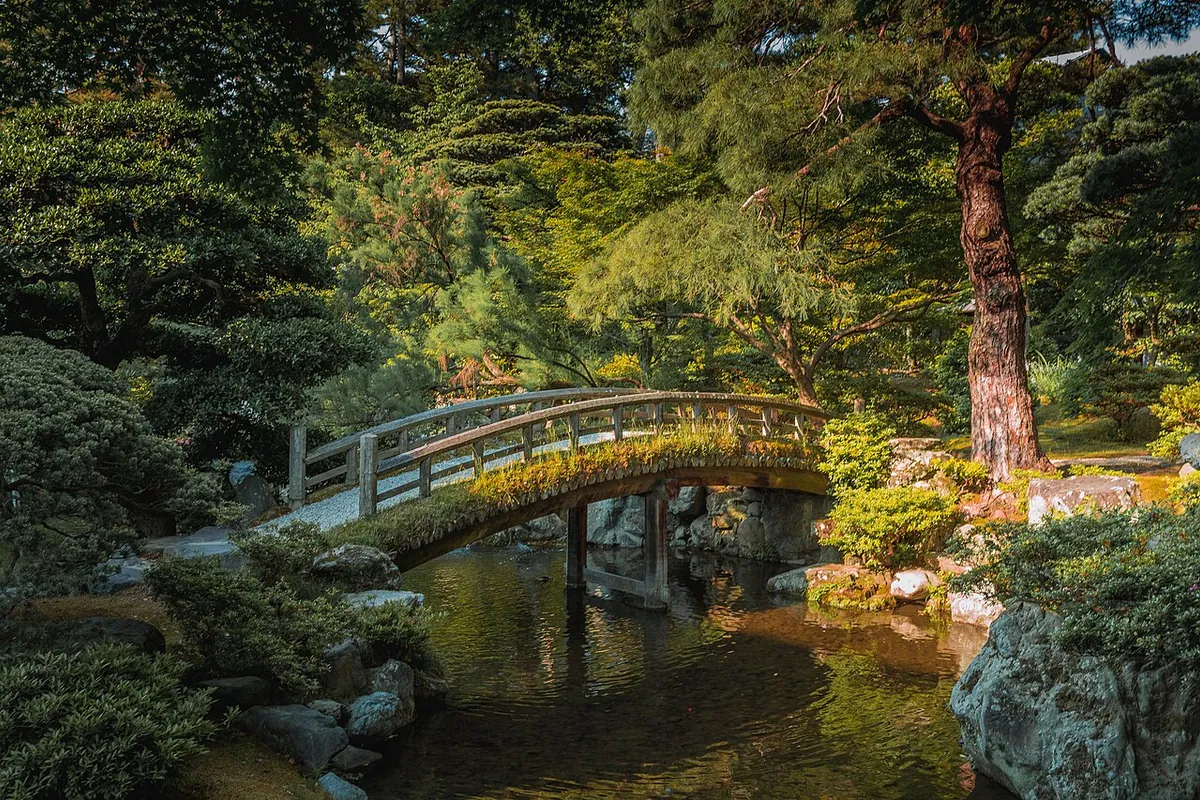
Kyoto Imperial Palace garden, photographed in May 2017. Photo: Ray in Manila / Wikimedia Commons, CC BY 2.0. Minimally center-cropped, resized and converted to WebP.
Is May a Good Time to Visit Japan?
Yes—Japan in May is a strong choice for gardens, city walks and a first Tokyo–Kyoto trip, especially after Golden Week. Choose mid-to-late May for a mainland itinerary if your dates are flexible. Early May brings holiday booking pressure, Hokkaido is noticeably cooler, and Okinawa normally enters its rainy season during the month. May offers several different trips, rather than one nationwide weather pattern.
| Travel window | Best reason to choose it | Main trade-off |
|---|---|---|
| Early May | Public-holiday atmosphere and spring outings | Golden Week crowds and limited booking flexibility |
| Mid-May | A practical balance for Tokyo, Kyoto and Osaka sightseeing | Popular places and festival dates can still be busy |
| Late May | Mainland gardens, walking and flexible city itineraries | Rainy-season uncertainty matters more in southern Japan |
If you are still deciding between seasons, start with our best time to visit Japan guide. This guide focuses on the decisions that matter once May is your likely travel month.
Japan Weather in May: City-by-City Guide
The weather in Japan in May depends heavily on latitude and elevation. A light layer can be useful in Tokyo after dinner; the same wardrobe may feel inadequate on a cool Sapporo morning. Naha is warmer, but its rain pattern makes it a different proposition from a mainland city break.
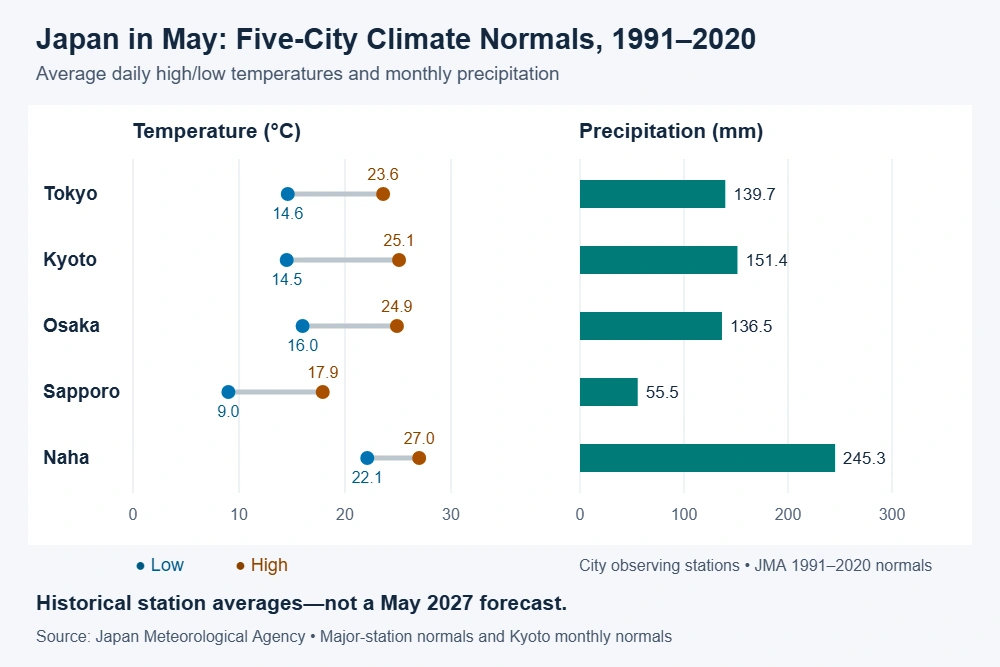
May climate normals
These are JMA 1991–2020 historical normals, not May 2027 forecasts. Average highs and lows mean monthly averages of daily maximum and minimum temperatures. Precipitation is the average monthly total, not the amount expected during your particular week.
| City / observing station | Average high | Average low | Monthly precipitation |
|---|---|---|---|
| Tokyo | 23.6°C / 74.5°F | 14.6°C / 58.3°F | 139.7 mm |
| Kyoto | 25.1°C / 77.2°F | 14.5°C / 58.1°F | 151.4 mm |
| Osaka | 24.9°C / 76.8°F | 16.0°C / 60.8°F | 136.5 mm |
| Sapporo | 17.9°C / 64.2°F | 9.0°C / 48.2°F | 55.5 mm |
| Naha, Okinawa | 27.0°C / 80.6°F | 22.1°C / 71.8°F | 245.3 mm |
Sources: Japan Meteorological Agency climate normals and JMA Kyoto station normals.
For Tokyo, plan long outdoor stretches with an indoor alternative nearby. Pair a neighborhood walk with a museum or café stop rather than making every day dependent on clear skies.
For Kyoto and Osaka, take breathable layers and pace temple walks sensibly. Osaka’s figures are a useful Kansai comparison, but they are not measurements for Kyoto or mountain destinations.
For Sapporo, pack a proper evening layer. Its lower monthly precipitation total does not guarantee a dry visit, and city averages do not describe higher mountain trails.
For Naha, make weather flexibility part of the itinerary. JMA places Okinawa’s normal rainy-season onset around May 10, compared with around June 6 in Kinki and June 7 in Kanto/Koshin. Those are climatological dates, not fixed annual deadlines. See JMA’s regional rainy-season table.
Golden Week Japan 2027: Dates, Crowds and Booking Advice
Golden Week is a cluster of holidays, not one continuous statutory holiday. In 2027, April 30 falls between Showa Day and the weekend but is not a national holiday. Travelers taking that day off can extend their break, so it is sensible to plan beyond the individual holiday dates.
| Date in 2027 | Day | Calendar status |
|---|---|---|
| April 29 | Thursday | Showa Day: national holiday |
| April 30 | Friday | Ordinary weekday; possible leave day |
| May 1–2 | Saturday–Sunday | Weekend |
| May 3 | Monday | Constitution Memorial Day: national holiday |
| May 4 | Tuesday | Greenery Day: national holiday |
| May 5 | Wednesday | Children’s Day: national holiday |
| May 6–7 | Thursday–Friday | Ordinary weekdays |
| May 8–9 | Saturday–Sunday | Weekend |
The holiday dates are confirmed by Japan’s Cabinet Office. There is no May 6 substitute national holiday in 2027. For cautious planning, treat April 29–May 5 as the core holiday window, while allowing for people extending trips into adjacent days.
If those are your dates, secure accommodation and essential intercity travel before filling the itinerary with optional activities. Booking pressure can affect popular attractions, transport and hotels differently; it does not justify a blanket price-rise percentage or a claim that every train sells out.
Book ahead: accommodation in your chosen neighborhoods, flights, essential reserved-seat journeys when sales open, and any attraction with compulsory timed entry. Check each operator’s booking window rather than assuming all tickets become available together.
Keep flexible: shopping streets, park walks, café stops and the order of weather-dependent sightseeing. Avoid making a countryside excursion depend on the final possible return service. If queues become tiring, switch to a neighborhood day rather than trying to rescue an overpacked checklist.
Early May vs. Mid-May vs. Late May: Which Is Best?
For a first mainland trip, my default would be a seven-night stay in mid-May, with late May a close alternative. JNTO’s May guide describes a calmer second half of the month. That supports traveling after the holiday rush, but it is not a promise of lower prices or empty attractions.
| Period | Crowd and holiday expectations | Weather advantage | Best suited to | Main limitation |
|---|---|---|---|---|
| May 1–9 | Includes May 3–5 holidays and adjacent weekends; demand varies by date | Spring sightseeing opportunities | Travelers with fixed dates who can reserve essentials | Less freedom to change popular bookings |
| May 10–20 | Outside the core Golden Week dates; weekends and events still matter | A useful mainland walking window | First-time visitors and garden-focused trips | Not reliably quiet; Okinawa’s normal rainy-season onset is already relevant |
| May 21–31 | No national holidays in this period; local demand still varies | Mainland sightseeing before normal June onset in Tokyo/Kansai | Flexible travelers combining cities and gardens | Southern Kyushu’s normal rainy-season onset is around May 30 |
The weather advantages describe planning opportunities, not daily forecasts. Mainland rain can arrive before the formal rainy season, while an Okinawa visit during that season can still include usable outdoor periods. Choose a region first, then judge your dates within that region.
Best Places to Visit in Japan in May
Tokyo: neighborhood walks and green spaces
Use Tokyo for days that mix outdoor time with easy indoor alternatives. Build a route around one neighborhood and one park or garden rather than crossing the city for every stop. For example, spend a morning around Ueno, then adjust the afternoon between another walk and a museum according to the weather.
Keep one day flexible for a trip such as Kamakura. Choose the forecast and your energy level over an ambitious list of distant stops. If Fuji scenery is a priority, give that area dedicated time rather than treating it as another stop on an already full Tokyo day.
Kyoto: gardens and a possible festival day
Make gardens and temple districts the backbone of a May stay. Schedule a substantial walk early, leave room for lunch indoors, and avoid combining every famous district into one day. A quieter route between fewer stops can be more satisfying than spending the day transferring across the city.
Aoi Matsuri is traditionally associated with May 15, which falls on a Saturday in 2027. Treat that as an annual planning reference, not confirmation of the 2027 procession, seating or weather arrangements. Check the JNTO Aoi Festival page and the organizer’s current announcement before building your day around it.
Osaka: a useful Kansai base or day trip
Osaka works well for travelers who want food neighborhoods and an urban counterpoint to Kyoto’s temple visits. If you already have four nights in Kyoto, consider visiting Osaka without changing hotels. If evening dining is your main priority, compare an Osaka base instead and account for repeated travel to Kyoto.
For a May-specific stop, add Nakanoshima Park’s rose garden to your Osaka day. Osaka Metro’s guide gives early May to early June as a usual viewing window, with access from Kitahama or Yodoyabashi. Check current blooms rather than assuming peak roses on your date.
Fuji Five Lakes: flowers with a weather backup
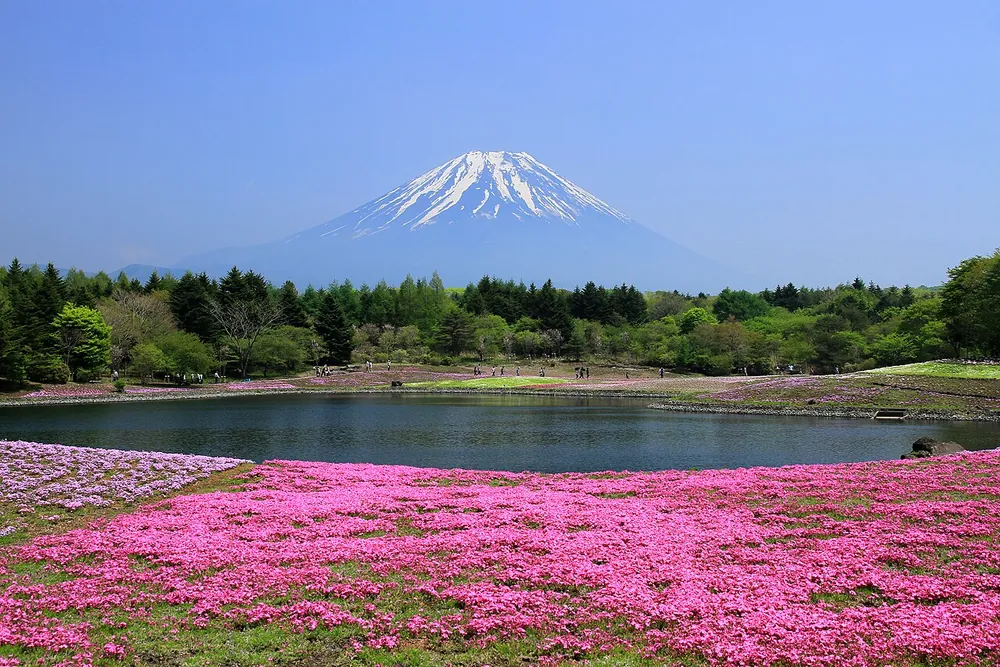
The Fuji Shibazakura Festival is a candidate for a spring-flower trip, but 2027 opening dates and bloom conditions must be checked before booking. Pink moss phlox is not cherry blossom, and a photograph of Fuji behind flowers does not guarantee either peak bloom or a clear mountain view during your stay.
Use the JNTO Fuji Shibazakura Festival page as a starting point. A night in the area gives more flexibility than a tightly timed excursion. Keep a lake-area walk or indoor visit as an alternative if the mountain is hidden, and check actual transport connections to the festival site.
Hokkaido: a cooler spring alternative
Choose Hokkaido because you want cooler spring travel, not because May guarantees blossoms everywhere. JNTO’s May guide notes some late cherry blossoms in Hokkaido and northern Tohoku, depending on location and the year. Confirm local flowering reports before selecting dates around them; a late-May trip should have worthwhile plans even if the blossom season has finished.
Sapporo can anchor a city-and-day-trip itinerary. With only seven nights, make Hokkaido an alternative to a Tokyo–Kyoto circuit rather than adding it as a rushed third region.
For a flower-focused alternative, consider Goryokaku Park in Hakodate. The city’s tourism guide associates blossom viewing with early May, but Goryokaku Tower’s 2026 report recorded green leaves by May 1. Check current reports before committing to a blossom-led detour; early May is not a guarantee.
Okinawa: warmth with a different rain calculation
Naha is the warmest city in the comparison table, but warmth alone is a poor reason to assume reliable beach weather. Choose Okinawa if you are comfortable mixing outdoor plans with cultural visits and adjusting activities to conditions. Check marine operators’ advice before committing to a boat outing; a warm monthly average says nothing about conditions on a particular sailing day.
For a practical May rain backup in Naha, choose the Naha Municipal Tsuboya Pottery Museum in the central Tsuboya pottery district. Okinawa’s official May guide recommends it among indoor activities; check opening days before fitting it around outdoor plans.
Japan in May: Suggested 7-Night Itineraries
Option A: first-time mainland traveler, mid-May
Three nights Tokyo + four nights Kyoto = seven nights.
| Day | Overnight base | Suggested plan |
|---|---|---|
| 1 | Tokyo | Arrive, check in and take a short neighborhood walk |
| 2 | Tokyo | Combine a park or garden with nearby city sightseeing |
| 3 | Tokyo | Explore another district; take a day trip only if arrival fatigue has passed |
| 4 | Kyoto | Travel by Tokaido Shinkansen, then keep sightseeing local |
| 5 | Kyoto | Garden and temple district day, with an indoor rain alternative |
| 6 | Kyoto | Osaka day trip; return to the same hotel |
| 7 | Kyoto | A second Kyoto district or a flexible catch-up day |
| 8 | — | Depart, allowing sufficient airport-transfer time |
This route has one hotel change. Reserve enough of day four for checking out, reaching the station, train travel and reaching your next hotel. If flights permit, arriving in Tokyo and departing through Kansai avoids retracing the whole route. A Tokyo return flight needs a revised final-day plan or an additional buffer night.
Option B: spring flowers and gardens
Two nights Tokyo + two nights Fuji Five Lakes + three nights Kyoto = seven nights.
Spend days one and two settling into Tokyo. Move to the Fuji Five Lakes area on day three, then use day four for a flower display if the verified schedule and bloom report justify it. Keeping two nights here creates a second opportunity for mountain views without guaranteeing them.
On day five, transfer to Kyoto and allow that day primarily for travel. One possible route is Kawaguchiko → Mishima by bus → Kyoto by Tokaido Shinkansen, choosing a train connection that serves Mishima. Fujikyu’s route page confirms the bus link and currently requires seat reservations. Check the timetable and booking rules for your travel date, allow a generous connection buffer for road delays, and confirm luggage arrangements. No 2027 service times or fares are assumed here. Spend days six and seven on Kyoto gardens and cultural sights, then depart on day eight.
Kyoto is the onward choice because it gives the itinerary a garden-and-culture focus without adding a domestic flight. If flower dates do not fit, replace the lakes stay with extra Tokyo nights and a flexible excursion. Do not book a nonrefundable detour solely around an unconfirmed festival.
What to Wear in Japan in May
For Tokyo, Kyoto and Osaka, pack breathable tops, comfortable trousers or equivalent walking clothes, and a light outer layer. Wear shoes you have already tested over a long day; this matters more than packing a different outfit for each destination.
Add a warmer layer for Hokkaido and cool evenings around the lakes. For Okinawa, prioritize quick-drying clothing and rain protection. Mountain walks require route-specific equipment and current conditions, not an outfit chosen from a city climate table.
Carry a compact umbrella or lightweight rain jacket, sun protection and a small day bag. Pack so you can put a layer on or take it off without returning to the hotel. For a contrasting winter wardrobe and itinerary, see our Japan in February guide.
Is Japan Expensive in May?
May is not uniformly expensive or cheap. Compare the actual dates and route, especially where a trip overlaps Golden Week.
- Airfare: compare departure days, airports, baggage and change conditions. Leaving after Golden Week does not automatically make an international flight cheaper.
- Accommodation: compare like-for-like room types and cancellation terms. Holiday demand can reduce choice, but mid-May is not a guaranteed bargain in every city.
- Intercity transport: price the journeys you will actually take. Compare individual tickets with any pass against your route and current eligibility; do not assume a rail pass saves money.
- Food and daily spending: set a budget around your preferred dining and activities. Changing travel dates will not necessarily reduce fixed admission charges or your chosen meal budget.
For either itinerary, price flights, the seven hotel nights and essential transfers first. Then decide whether an extra destination improves the trip enough to justify its transport cost. No fixed price examples are included here because unverified 2027 quotes would create false precision.
Japan in May: Frequently Asked Questions
Is May a good month to visit Japan?
Yes, particularly for mainland city walks and gardens. Mid-to-late May is a practical choice if you can avoid the core Golden Week dates. Choose Okinawa or Hokkaido for their own regional conditions rather than assuming the same experience nationwide.
What is the weather like in Japan in May?
JMA’s historical average highs range from 17.9°C in Sapporo to 27.0°C in Naha among the cities listed here. Tokyo’s average high is 23.6°C. These are station normals, not limits on daily temperatures or a 2027 forecast.
Is Japan crowded during May?
Golden Week brings particular booking pressure. Outside it, popular attractions, weekends and events can still be busy. Visiting after the national holidays improves scheduling flexibility but does not guarantee quiet streets or lower hotel rates.
When is Golden Week in Japan in 2027?
The core holiday cluster runs from Showa Day on April 29 through Children’s Day on May 5. May 3, 4 and 5 are national holidays; May 1–2 is a weekend. April 30 and May 6–7 are ordinary weekdays.
Can you see cherry blossoms in Japan in May?
Possibly in Hokkaido and northern Tohoku, depending on the year and locality, as described in JNTO’s May guide. Do not plan a Tokyo or Kyoto May itinerary around peak cherry blossom. If blossoms are essential, wait for current regional information before locking in a route.
Does Japan’s rainy season begin in May?
In some regions. JMA’s normal onset is around May 10 in Okinawa and May 30 in southern Kyushu, compared with early June in Tokyo’s and Kyoto’s wider regions. Hokkaido does not have the same Baiu rainy season, though it still receives rain.
Is May better than June for visiting Japan?
For a Tokyo–Kyoto walking itinerary, May before the normal June rainy-season onset may suit you better. June can still work if you accept more weather flexibility. For Hokkaido, use local conditions and your interests rather than applying the mainland rainy-season comparison.