
Best Time to Visit Mexico: A Month-by-Month Guide
November through April is Mexico’s best all-round travel window — the nationwide dry season, and the safest stretch for avoiding hurricane risk on both coasts. That single answer still compresses four genuinely different climates into one line: Mexico City’s highlands sit above 2,200 meters, where January nights flirt with frost, while Cancún — near sea level and hundreds of miles closer to the tropics — never drops out of the 70s. The Pacific desert coast barely sees rain outside a short summer window; the Caribbean side turns hot and humid for half the year. Which ‘best time’ fits your trip depends on which of these four Mexicos you’re actually headed to.
Quick answer: The best overall time to visit Mexico is November through April, the dry season across most of the country, when hurricane risk on both coasts is at its lowest and Mexico City’s cooler, rainless winter makes sightseeing easiest. Within that window, December through February is coolest and busiest with holiday travelers; March and April offer some of the best all-around weather before summer heat and rain build. If low prices matter more than guaranteed sun, May, June, and September are the shoulder-season sweet spots — accepting a real chance of afternoon rain in exchange for 30–50% lower resort rates.
Understanding Mexico’s Climate: Four Countries in One
Treating Mexico as a single climate is where most “best time to visit” guides fail travelers. The country holds at least four distinct weather patterns:
- Mexico City and the central highlands: sitting at 2,200–2,600 meters elevation, this is genuinely cool — average highs barely change year-round (21–27°C), but nights near freezing are possible in January. The real seasonal split isn’t hot/cold, it’s wet/dry: a long, nearly rainless dry season from November to April, then daily afternoon thunderstorms from June through September.
- The Caribbean coast (Cancún, Riviera Maya, Yucatán): hot and humid nearly year-round, with a “cooler” winter dry season (November–April) and a hot, wetter summer. This is also Mexico’s Atlantic hurricane zone.
- The Pacific coast and Baja California (Los Cabos, Puerto Vallarta): desert-dry for most of the year, with a short, sharp rainy pocket from roughly July to October and its own separate Pacific hurricane season.
- Southern highlands (Oaxaca, Chiapas): milder and drier than the coasts thanks to elevation, with a gentler wet season (June–October) that rarely disrupts travel the way coastal storms can.
Example: In September, Mexico City sees regular afternoon thunderstorms but mornings that are often clear and mild; the same week on the Caribbean coast can mean the peak of hurricane season, while Los Cabos sits in its own, separate rainy stretch. All three are “Mexico in September,” and all three require different planning. It’s the same coast-by-coast reality that shapes trip planning in Costa Rica, where the Pacific and Caribbean sides can be having opposite weather in the same week.
Best Time to Visit Mexico City and the Central Highlands
The best time to visit Mexico City is March and April, at the tail end of the long dry season, when daytime highs reach the mid-to-high 20s°C, sunshine is at its best, and the summer rains haven’t yet started. The dry season overall runs November through April; within it, November through February brings cooler, sometimes near-freezing nights, while March and April are noticeably warmer during the day.
Question: Is Mexico City worth visiting during the rainy season? Yes, with the right expectations. From June through September, rain falls almost daily, but typically as a predictable afternoon or evening shower lasting a few hours rather than an all-day washout — mornings are frequently clear and pleasant. May and October sit in between, with rain becoming more or less frequent but nights milder than in the heart of winter.
Worth knowing: because of the altitude, Mexico City’s daily temperature swing is dramatic, especially in the dry season — a warm 25°C afternoon can drop to 5–7°C after dark. Layering matters more here than the “average” temperature suggests.
Worth knowing: Mexico City sits at roughly 2,240 meters (7,350 feet), high enough that mild altitude effects — shortness of breath on stairs, a faster heartbeat, occasional headaches — are common for visitors in the first day or two, regardless of season. Building a slow first day into the itinerary, staying hydrated, and going easy on alcohol on arrival night matters more here than in almost any other major city on this list.
Two of the most popular day trips have their own timing quirks that have little to do with the season. Teotihuacan’s pyramids have almost no shade, so arriving at opening time (7am) is the real variable that matters, whether you’re visiting in the bone-dry heat of April or a rainy August morning that’s likely to be clear before any afternoon storm rolls in. Xochimilco’s canals and trajinera boat rides, meanwhile, are a genuinely different experience by day of the week rather than time of year — weekends bring mariachi bands, floating food vendors, and a party atmosphere on every boat, while a weekday morning is quiet enough to actually notice the chinampas (the farmed floating gardens the UNESCO site is named for).
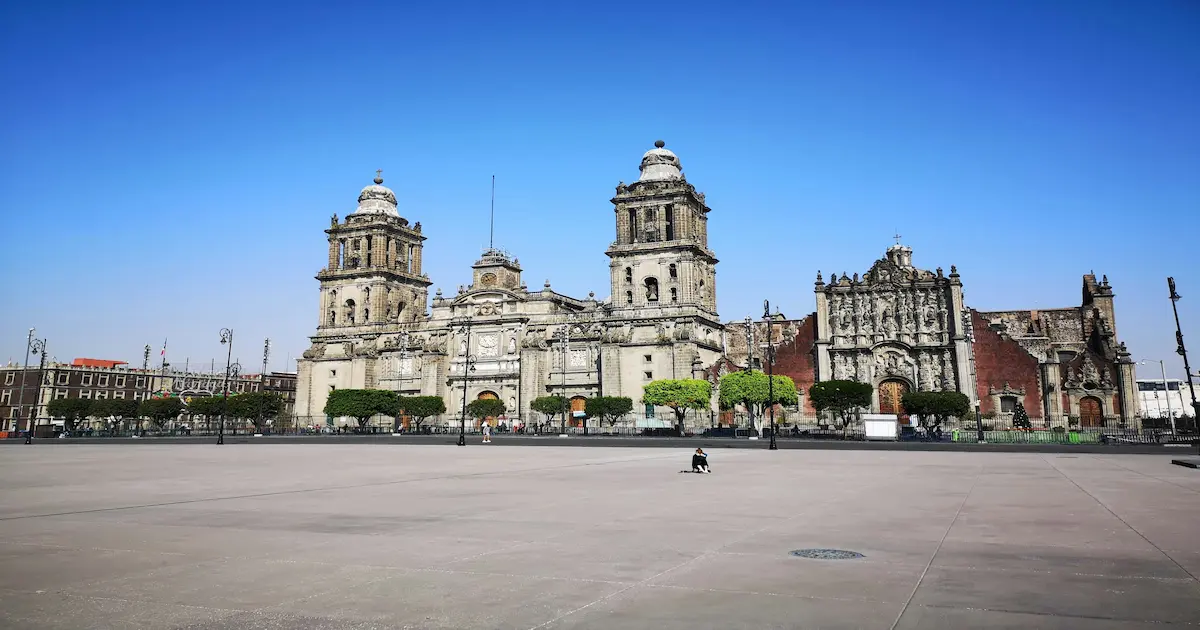
Mexico City also has its own Día de los Muertos tradition worth calling out separately from the more famous cemetery vigils in Oaxaca and Pátzcuaro: a large public parade down Paseo de la Reforma to the Zócalo, with giant skeleton floats and hundreds of costumed performers. It’s a genuinely modern addition — first staged in 2016, after the city noticed tourists arriving expecting the fictional parade from the opening scene of the 2015 James Bond film Spectre, which was filmed partly in the Zócalo. If a Día de los Muertos trip is built around Mexico City specifically rather than Oaxaca or Michoacán, the parade (typically the Saturday before November 2) is the event to plan around, not the holiday’s actual date.
Best Time to Visit Cancún, the Riviera Maya, and the Yucatán
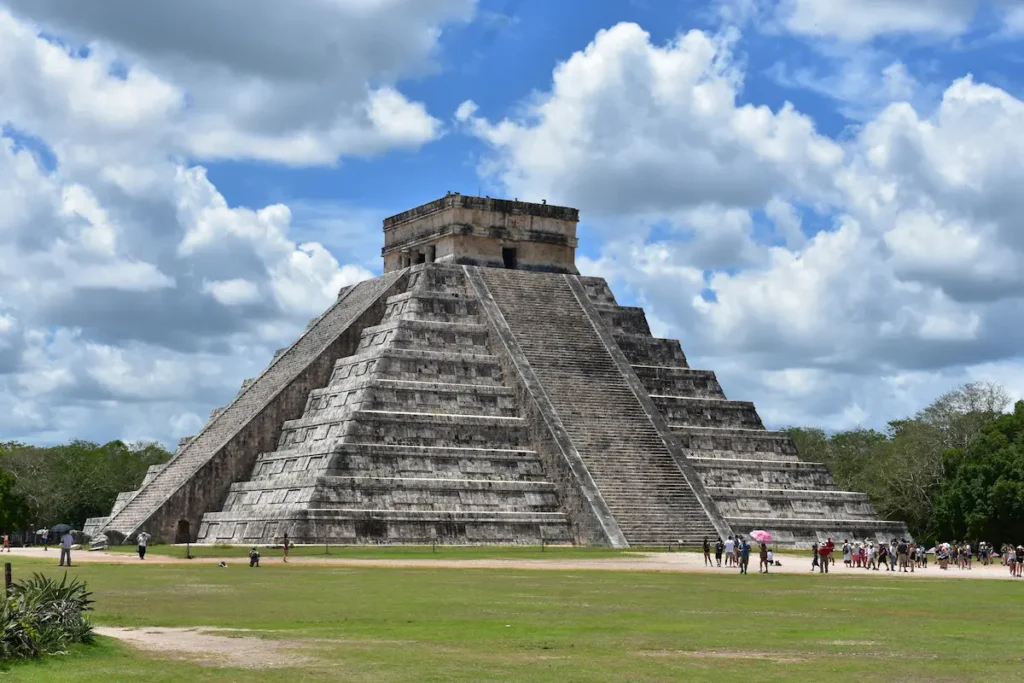
The best time to visit Cancún and the Caribbean coast is mid-March through May, a warm, comparatively dry window with frequent sunshine, sitting after the cooler winter Norte wind season and before the sultry, storm-prone summer. Winter (December to mid-March) can deliver a perfectly sunny week, but is also when the Norte — a cold front from the north — can bring a few windy, cloudy days with cooler nights.
The sea here is warm enough to swim in all year, from around 26°C in winter to 29°C in late summer, which is part of why the region stays busy even in the shoulder months.
Best Time to Visit Los Cabos and the Pacific/Baja Coast
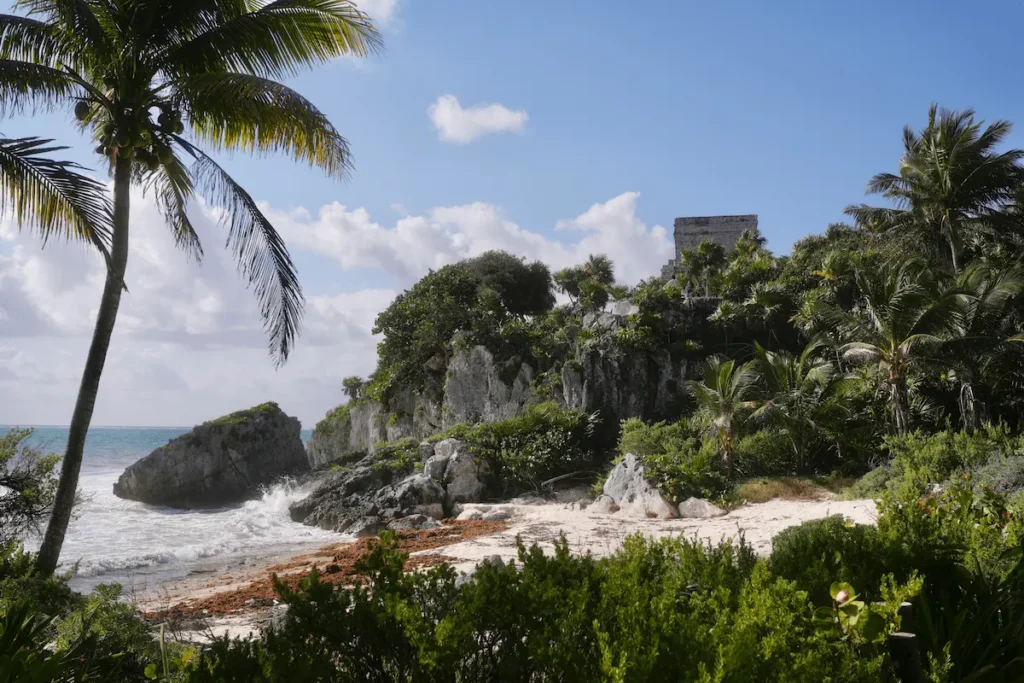
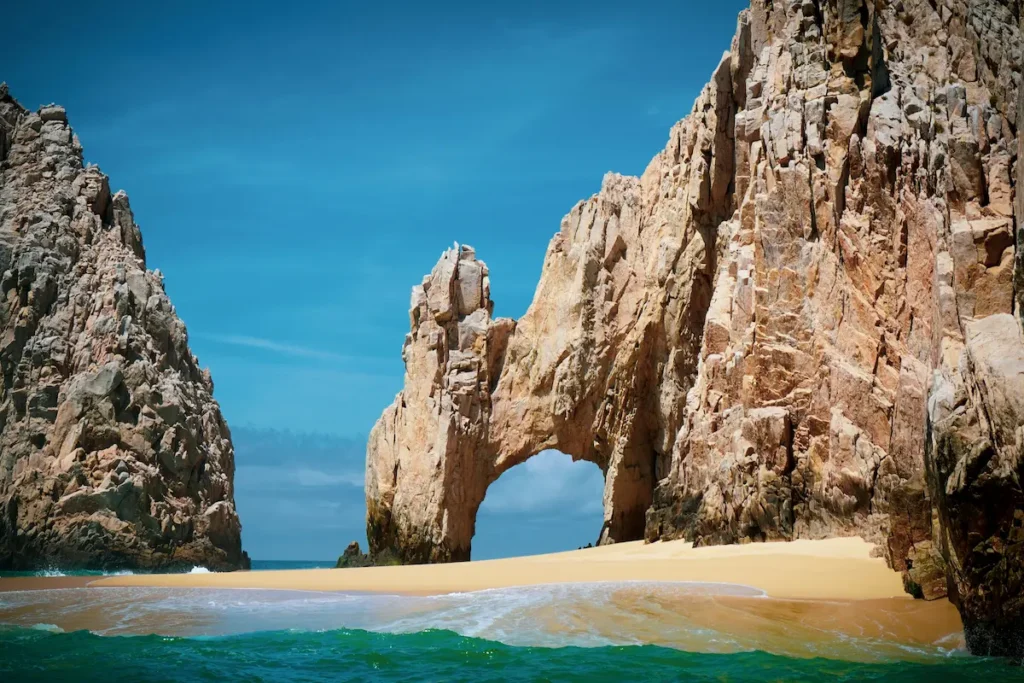
The best time to visit Los Cabos is mid-November through March, the mildest, driest season, when daytime highs sit in the comfortable mid-to-high 20s°C and rain is essentially absent. Summer (May through October) runs hot — daytime highs climb into the low-to-mid 30s°C from June onward — with a short, real rainy pocket from July to September, peaking in September, when the region’s Pacific hurricane risk is also highest.
Worth knowing: Los Cabos is genuinely desert-dry outside that summer window — March through June sees essentially zero rainfall most years, so “dry season” isn’t marketing language here, it’s the actual climate. For a beach trip specifically, May offers hot dry days with a still-cool sea, while early November combines warm water with the tail end of the mild season.
Best Time to Visit Oaxaca
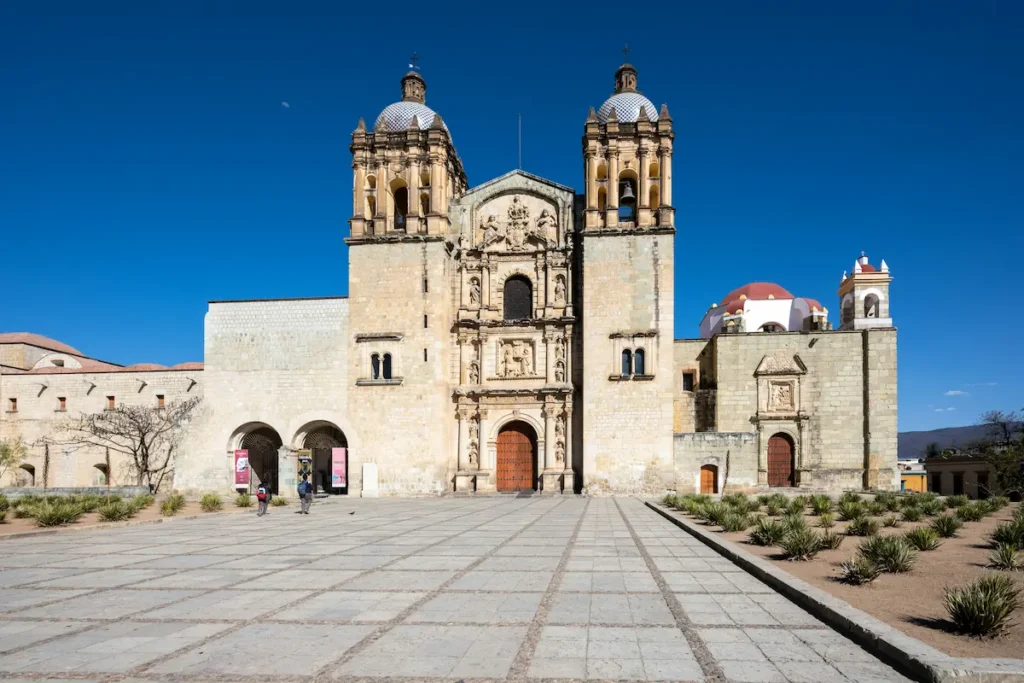
The best time to visit Oaxaca is November through February, when the city’s mild subtropical highland climate is at its most comfortable — daytime highs in the mid-to-high 20s°C, minimal rain, and cool but rarely cold nights. March through May is also workable and is when the year’s hottest days occur, sometimes reaching 33–34°C, but without the humidity of the coasts. It’s the same elevation-driven trade-off that separates Cusco’s cool highland air from the humid Amazon lowlands in Peru, just compressed into a shorter distance here. The rainy season, June through October, brings the year’s only real chance of disrupted plans, with September the wettest month.
Worst Time to Visit Mexico: Hurricane Season, Honestly
Mexico has two separate hurricane seasons, and conflating them is a common planning mistake. The Atlantic/Caribbean season (affecting Cancún, the Riviera Maya, and the Yucatán) runs June through November, with the highest risk from August through October. The Pacific season (affecting Los Cabos, Puerto Vallarta, and the Pacific coast) runs on a similar calendar, June through November, with Los Cabos specifically most exposed from August through October as well.
This doesn’t mean either coast is off-limits all summer — most days in June, July, and even November pass with no storm impact at all, and rain in the early or late shoulder of the season is often a brief afternoon shower rather than a washout. But if a trip depends on a fixed departure date, non-refundable bookings, or activities that can’t be rescheduled around a forecast, August through October carries real risk on both coasts that’s worth planning around. Inland destinations — Mexico City, Oaxaca, San Miguel de Allende, Guanajuato — see no direct hurricane impact and remain a safe, if rainier, choice during these months.
Mexico Festivals and Events Worth Timing Your Trip Around
- Carnival — February 14–17, 2026 in the lead-up to Ash Wednesday, most famously celebrated in Mazatlán and Veracruz with parades, music, and street parties.
- Semana Santa (Holy Week) — late March into early April 2026, one of the country’s biggest domestic travel periods; expect beach towns and colonial cities to book up with Mexican families traveling.
- Cinco de Mayo — May 5. A regional holiday centered on Puebla, more heavily marked in the United States than nationwide in Mexico itself, but worth knowing if it shapes your itinerary.
- Guelaguetza (Oaxaca) — July 20 and 27, 2026 (the two “Lunes del Cerro,” or Mondays on the Hill). Delegations from Oaxaca’s eight regions perform traditional dance and music at the open-air Auditorio Guelaguetza; hotels in Oaxaca City book out well in advance.
- Independence Day — September 16, with the biggest celebrations on the night of September 15 in town squares nationwide, centered on Mexico City’s Zócalo.
- Día de los Muertos (Day of the Dead) — October 31–November 2, 2026. The country’s most visually distinctive holiday, with the strongest traveler experiences in Oaxaca, Pátzcuaro and Lake Pátzcuaro, Mexico City, and Janitzio. This is a family remembrance tradition rather than a public performance — worth approaching with real respect rather than as a costume event.
- Whale watching season (Baja California) — roughly mid-December through mid-April, with gray whales gathering in the lagoons of Guerrero Negro, San Ignacio, and Magdalena Bay to calve; this is a separate season from Baja’s whale shark season, which runs June through September further south near La Paz.
Example: If you’re building a July trip around Oaxaca City for Guelaguetza, note that this also falls in the region’s wet season — mornings are typically clear, with rain arriving in the afternoon, so plan outdoor sightseeing early in the day.

Mexico Weather and Travel Costs by Season
- Peak season (December–April): the highest prices of the year, especially December 15–January 5 and around Semana Santa, when Mexican families travel heavily alongside international visitors. Coastal resort rates can run 30–50% above shoulder-season pricing.
- Shoulder season (May, June, September–October): a genuine value window — noticeably lower prices, with a real but manageable chance of afternoon rain and, in September and October specifically, elevated hurricane risk on both coasts.
- Low season (July–August, and September on the coasts): the cheapest window nationwide on the coasts, driven by heat, humidity, and peak hurricane-season demand softening — though inland cities like Mexico City and Oaxaca see comparatively little seasonal price swing since they aren’t hurricane-exposed.
| Month | Mexico City Temp | Rainfall Level | Cancún Conditions | Los Cabos Conditions | Oaxaca Conditions | Best For |
|---|---|---|---|---|---|---|
| January | 6.5–21.6°C | 10mm | Warm to hot, 19.2–27.6°C, 65mm rain, Norte winds possible | Warm, 15.4–26.3°C, 10mm rain | Mild, 9.4–26.4°C, 5mm rain | Dry-season travel, whale watching begins |
| February | 8.1–23.7°C | 5mm | Warm to hot, 19.4–28.4°C, 55mm rain | Warm, 15.6–26.9°C, 5mm rain | Warm, 10.7–28.4°C, 5mm rain | Carnival, dry-season sightseeing |
| March | 9.8–25.5°C | 10mm | Warm to hot, 20.4–29.1°C, 35mm rain (driest) | Warm, 16.8–28.1°C, ~0mm rain | Warm, 12.6–30.2°C, 10mm rain | Best all-round month nationwide |
| April | 12.3–26.7°C | 25mm | Warm to hot, 22.2–30.4°C, 40mm rain | Warm to hot, 18.9–29.8°C, ~0mm rain | Warm to hot, 14.7–31.4°C, 30mm rain | Sightseeing before summer heat/rain |
| May | 13.2–26.7°C | 55mm | Very hot, muggy, 23.9–31.6°C, 110mm rain | Warm to hot, 21.6–32°C, ~0mm rain | Warm to hot, 16.2–30.2°C, 75mm rain | Shoulder-season value, whale sharks begin (La Paz) |
| June | 13.8–25.1°C | 110mm | Very hot, muggy, 25–31.8°C, 185mm rain, hurricane season starts | Very hot, 24.8–33.4°C, ~0mm rain | Warm, 16.9–27.7°C, 140mm rain (wettest) | Budget travel, Baja whale sharks |
| July | 13.4–23.8°C | 160mm (wettest) | Hottest, very hot, muggy, 24.5–32.5°C, 130mm rain | Hottest, 26.6–34°C, 15mm rain | Warm, 16–26.8°C, 90mm rain | Guelaguetza, deep budget travel |
| August | 13.5–23.8°C | 150mm | Very hot, muggy, 24.1–32.8°C, 150mm rain, elevated hurricane risk | Very hot, 26.2–33.8°C, 50mm rain, elevated hurricane risk | Warm, 15.8–26.9°C, 105mm rain | Deep budget, inland travel safer bet |
| September | 13.3–23°C | 120mm | Very hot, muggy, 23.8–32°C, 225mm rain (wettest), peak hurricane risk | Very hot, 24.9–32.9°C, 80mm rain (wettest), peak hurricane risk | Warm, 16.1–26.2°C, 125mm rain | Cheapest month nationwide, inland safest |
| October | 11.3–23°C | 45mm | Warm to hot, muggy, 23.2–30.9°C, 185mm rain, hurricane risk continues | Very hot, 22.6–32.8°C, 30mm rain, hurricane risk continues | Warm, 14.2–26.5°C, 50mm rain | Late shoulder value, watch forecasts |
| November | 8.6–22.5°C | 15mm | Warm to hot, 20.9–29.1°C, 85mm rain, hurricane season ends | Warm to hot, 19.5–29.9°C, 10mm rain | Warm, 11.4–26.6°C, 10mm rain | Dry season returns, Día de los Muertos, whale watching begins |
| December | 7–21.9°C | 5mm | Warm to hot, 19.7–28.1°C, 80mm rain | Warm, 16.1–26.5°C, 15mm rain | Mild, 9.7–26.4°C, 5mm rain | Holiday travel, whale watching peak begins |
Mexico City, Los Cabos, and Oaxaca figures are 1991–2020 climate normals. Cancún figures are 2012–2018 averages (the most recent published normals available for that station) — expect slightly more year-to-year variance in that column than the others. Source: Climates to Travel (climatestotravel.com).
Frequently Asked Questions
What is the cheapest month to visit Mexico?
September is typically the cheapest month nationwide on the coasts, driven by peak hurricane-season demand softening, followed closely by May and June. Inland cities like Mexico City and Oaxaca see much smaller seasonal price swings since they aren’t hurricane-exposed.
Is it safe to visit Mexico during hurricane season?
Millions of people travel through the June–November hurricane season without disruption, but the risk is real, especially August through October on both coasts. Building flexibility into bookings and monitoring forecasts matters far more in these months than at any other time of year. Inland destinations avoid this risk entirely.
When is the best time to visit Mexico for whale watching?
Mid-December through mid-April for gray whales in Baja California’s Pacific lagoons (Guerrero Negro, San Ignacio, Magdalena Bay). This is a separate season from whale sharks near La Paz and Isla Holbox, which run June through September.
Does it rain a lot in Mexico City?
Yes, but predictably — from June through September, expect a daily afternoon or evening shower lasting a few hours, with mornings typically clear. The dry season, November through April, sees almost no rain at all.
Is Mexico a year-round destination?
Yes, provided the region matches the season. Inland highland cities (Mexico City, Oaxaca) are workable nearly any month; the coasts are most reliable November through April and carry real hurricane-season considerations from June through November.
Weather patterns, prices, and event dates can change. Always verify current conditions and details with official sources before booking your trip. See our Disclaimer for more information.