Best Time to Visit Switzerland: A Month-by-Month Guide (2026)
Switzerland doesn’t have a bad time to visit so much as it has very different Switzerlands depending on when you land. The lakeside cities and the high Alps run on almost separate climate calendars — Zurich can be shirtsleeves-warm in early May while Zermatt, an hour and a half up the valley, still has skiers on the slopes. Getting the timing right depends less on picking “the best month” and more on matching the season to what you actually want to do.
Quick answer: For the best balance of good weather, manageable crowds, and reasonable prices, aim for late April through early June, or mid-September through October. If budget matters more than anything else, November is the single cheapest month to visit. If you’re coming specifically to hike the high Alpine trails, you’ll want July or August, even though that’s also peak season for crowds and cost.
Here’s the full breakdown.
Why Switzerland’s Timing Is Trickier Than It Looks
Most “best time to visit” guides treat a country as one climate. Switzerland genuinely isn’t one. The Central Plateau — where Zurich, Bern, Basel, and Lausanne sit — has a mild, temperate climate with warm-ish summers and cool, damp winters. Head up into the Bernese Oberland, Valais, or Graubünden, and you’re in Alpine climate territory: colder at any given month, with snow lingering into late spring at altitude and returning again by October.
That split matters for planning. A trip built around Zurich, Lucerne, and Lake Geneva runs on a completely different calendar than a trip built around Zermatt, Grindelwald, or St. Moritz. It’s the same lowland-versus-mountain split we cover in Portugal, where the coast and the inland Douro Valley run on almost separate climates too.
Switzerland Climate by Month
Central Plateau average (Zurich / Bern / Basel) — day temperature and monthly rainfall. Alpine and mountain regions run several degrees cooler with more snow; see note below.
| Month | Avg. Day Temp | Avg. Night Temp | Rainfall | Rainy Days | Notes |
|---|
Data reflects 30-year climate norms (1990–2020) for the Swiss Central Plateau (Zurich/Bern/Basel), sourced from Foreca/Visual Crossing historical records via weather-and-climate.com and climate-data.org. Alpine resort towns (Zermatt, Davos, St. Moritz) run noticeably colder with far more snowfall in winter — see our Alpine vs. Lowland climate guide if you’re headed to the mountains rather than the cities and lakes.
As the chart shows, June technically has the highest rainfall by volume, but May actually has more rainy days — a distinction worth knowing if you’re trying to dodge showers rather than just checking a monthly average. February is the driest month of the year on the Central Plateau, though it’s also the coldest.
Best Time for Warm Weather and City Trips
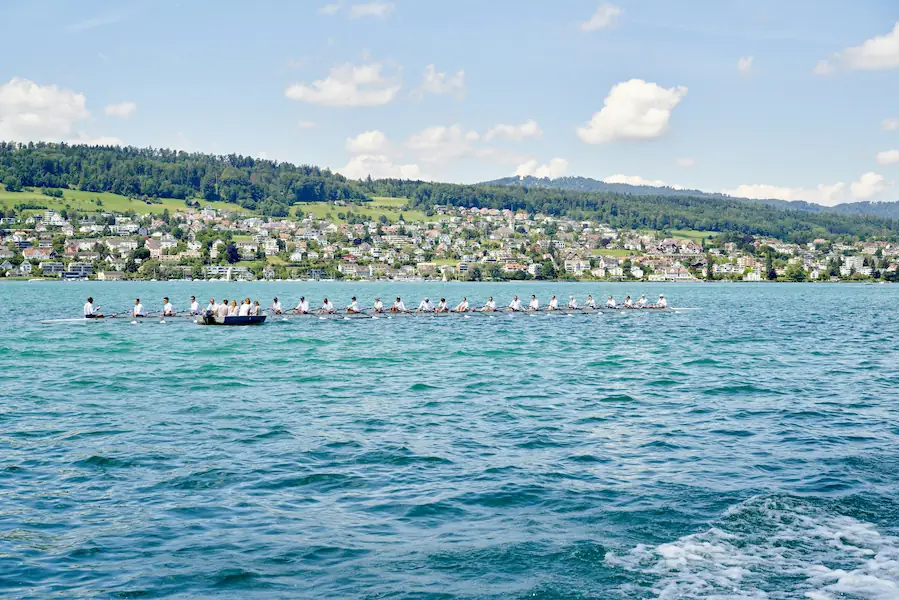
Late June through August brings the warmest weather to Zurich, Bern, Lucerne, and the lake towns, with daytime highs regularly in the low-to-mid 20s°C (mid-70s°F). It’s also, unsurprisingly, when everyone else has the same idea. Popular destinations around Lake Geneva, Lucerne, and the Bernese Oberland routinely book out months in advance for July and August.
If you want the warm-weather experience without the peak-season price tag and crowds, September is the strongest single month on the calendar: daytime temperatures still sit around 20°C (68°F), rainfall drops noticeably from the summer peak, and — because Swiss and neighboring German school holidays have ended — the crowds thin out while every attraction and mountain railway is still running full schedules.
Best Time for Lower Prices
Switzerland is one of the most expensive countries in Europe to visit, so timing has an outsized effect on your budget here compared to most destinations.
- Peak season (July–August, plus the Christmas/New Year and February school-holiday weeks): 3-star hotel rooms commonly run CHF 250–350 ($275–385) a night in popular towns.
- Shoulder season (April–early June, mid-September–October): The same category of hotel typically drops to CHF 120–180 ($130–200) — a 20–35% saving, and flight prices usually ease by 15–25% as well. It’s the same shoulder-season math that makes Iceland’s May and September such a strong compromise — lower prices without giving up much on weather.
- Cheapest month overall: November. Outside of the Christmas market weeks, November combines low airfares with the lowest hotel rates of the year — the tradeoff being that some high-altitude attractions and mountain passes begin winding down for the season.
- Cheapest flights from the US specifically: February tends to post the lowest average round-trip fares, though that’s also peak ski season in the mountain resorts, so lodging costs there don’t follow the same pattern.
Best Time for Hiking and the High Alps
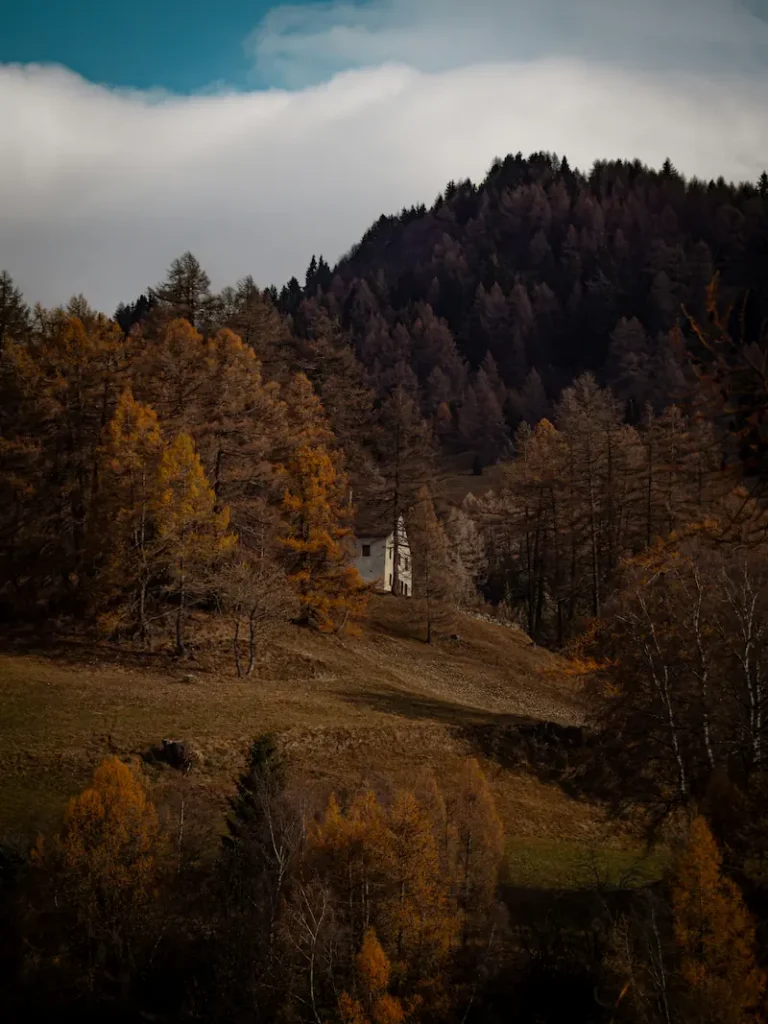
If the whole point of your trip is hiking — the Eiger Trail, the Tour du Mont Blanc approach, the trails around Zermatt or the Jungfrau region — mid-June through mid-September is your real window. Snow can linger on higher passes into June, and some trails and cable cars don’t fully open for the season until then. By late September, the first snow can start closing higher routes again.
July and August are the most reliable months for full trail access at altitude, even though they’re also the most crowded and priced above the shoulder-season average.
Best Time for Skiing
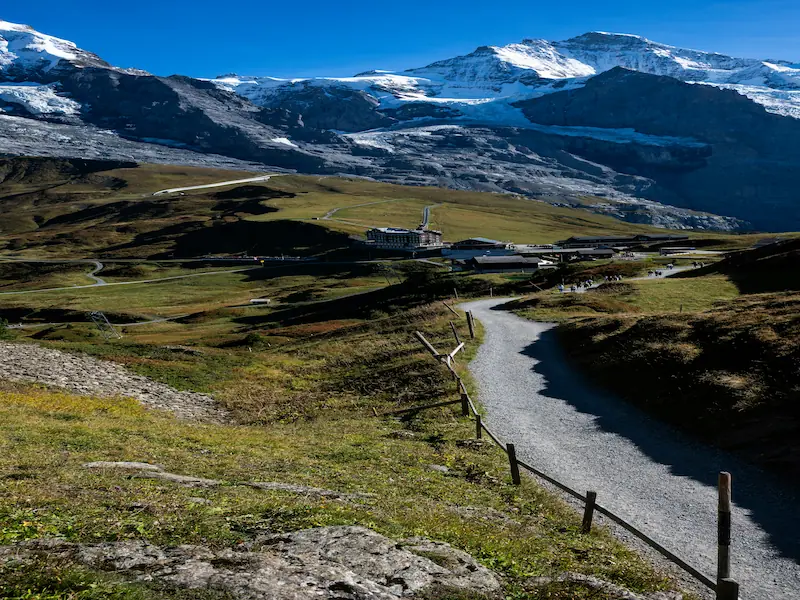
Switzerland’s ski season generally runs late November/early December through April, with the resort towns (Zermatt, Verbier, St. Moritz, Davos, Grindelwald, Wengen) hitting their highest prices around Christmas, New Year’s, and the February school-holiday weeks. If you want good snow without the holiday price surge, January (outside the New Year week) and March tend to offer a better balance.
Worth Timing Your Trip Around: Real 2026 Events
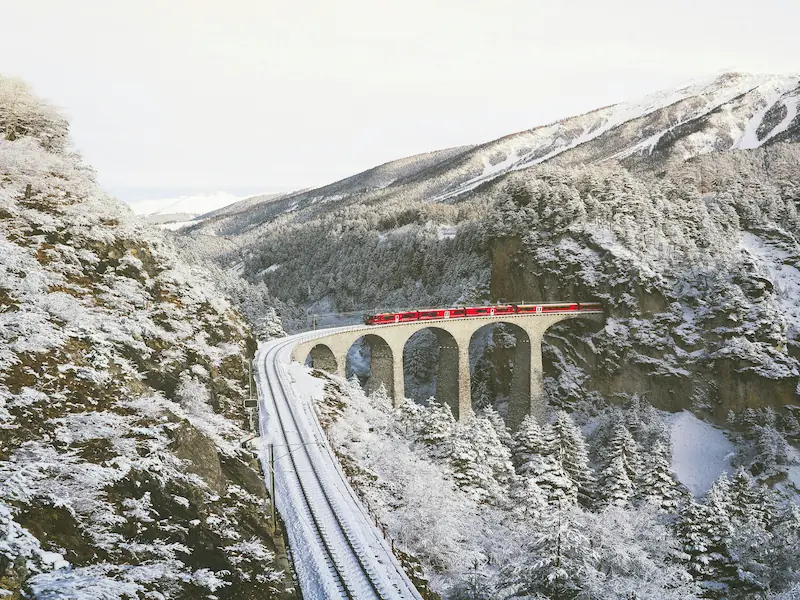
- Basel, Lucerne & Bern Fasnacht (Carnival) — February–March. Free to watch in the streets; each city’s version has a distinct character, with Basel’s famously starting at 4am with all city lights turned off.
- Montreux Jazz Festival — July 3–18, 2026, marking the festival’s 60th anniversary. Held along Lake Geneva, mixing ticketed indoor shows with free lakeside stages.
- Paléo Festival, Nyon — July 21–26, 2026. Switzerland’s largest open-air music festival, drawing roughly 230,000 visitors across the week.
- Zibelemärit (Bern Onion Market) — the fourth Monday of November. A centuries-old folk festival that also happens to fall right in the cheapest month of the year to visit.
Worst Time to Visit Switzerland
There isn’t a month where Switzerland is unpleasant, but two windows are worth planning around rather than into:
- Late December through February in the lowland cities — cold, grey, and short on daylight, without the payoff of a ski trip unless you’re actually heading up to the mountains.
- Early-to-mid spring (April) in the high Alps specifically — many higher trails, cable cars, and mountain huts haven’t reopened for the season yet, so a hiking-focused trip timed for April can mean limited access exactly where you wanted to go, even though the lowland cities are pleasant.
A Few Practical Notes
Pack in layers regardless of season — even summer days in the mountains can swing 15°C+ between a sunny valley floor and an exposed ridge. If your trip includes any hiking above the treeline, a basic travel insurance policy that covers mountain rescue is worth the small added cost.
Weather patterns, prices, and event dates can change. Always verify current conditions and details with official sources before booking your trip. See our Disclaimer for more information.
FAQ
What is the cheapest month to visit Switzerland?
November is generally the cheapest month overall, combining low hotel rates with reduced airfares, outside of the Christmas market weeks.
Is Switzerland expensive to visit?
Yes — it’s consistently one of the priciest countries in Europe. Timing your trip for shoulder season (April–early June or September–October) is one of the most effective ways to reduce costs without sacrificing weather quality.
Do I need to worry about rain in Switzerland?
Some rain is likely whenever you go — May has the most rainy days of the year, while June has the highest rainfall by volume despite fewer rainy days than May. February is the driest month but also the coldest.
Is Switzerland different in the mountains versus the cities?
Significantly. The Central Plateau (Zurich, Bern, Basel, Lausanne) has a mild, temperate climate, while Alpine resort towns (Zermatt, Davos, St. Moritz) run colder year-round with much heavier snowfall — worth checking separately if your trip includes both.