
Best Time to Visit the Maldives: Weather, Prices and Marine Life by Month
In the Maldives, seaplanes fly only in daylight, and the last transfers leave Malé at around 4 p.m. A late-afternoon arrival can cost you a night in an airport hotel before a hop to your island that takes under an hour. Timing a Maldives trip really means choosing two things: the month, and the hour you land.
The month decides the wind. The monsoon flips twice a year, and with it go the rain, the swell, the plankton that draws manta rays to Baa Atoll, and the price of a villa on the same lagoon. Temperature barely enters into it, since the air stays around 30–32°C and the sea around 28°C all year. This guide covers each of those variables month by month, along with the transfer timing that decides whether your first day is spent on the island or in Malé.
The best time to visit the Maldives is January to March, when the northeast monsoon brings the driest, sunniest and calmest weather. December and April are close behind, and May to November trades some rain for lower prices.
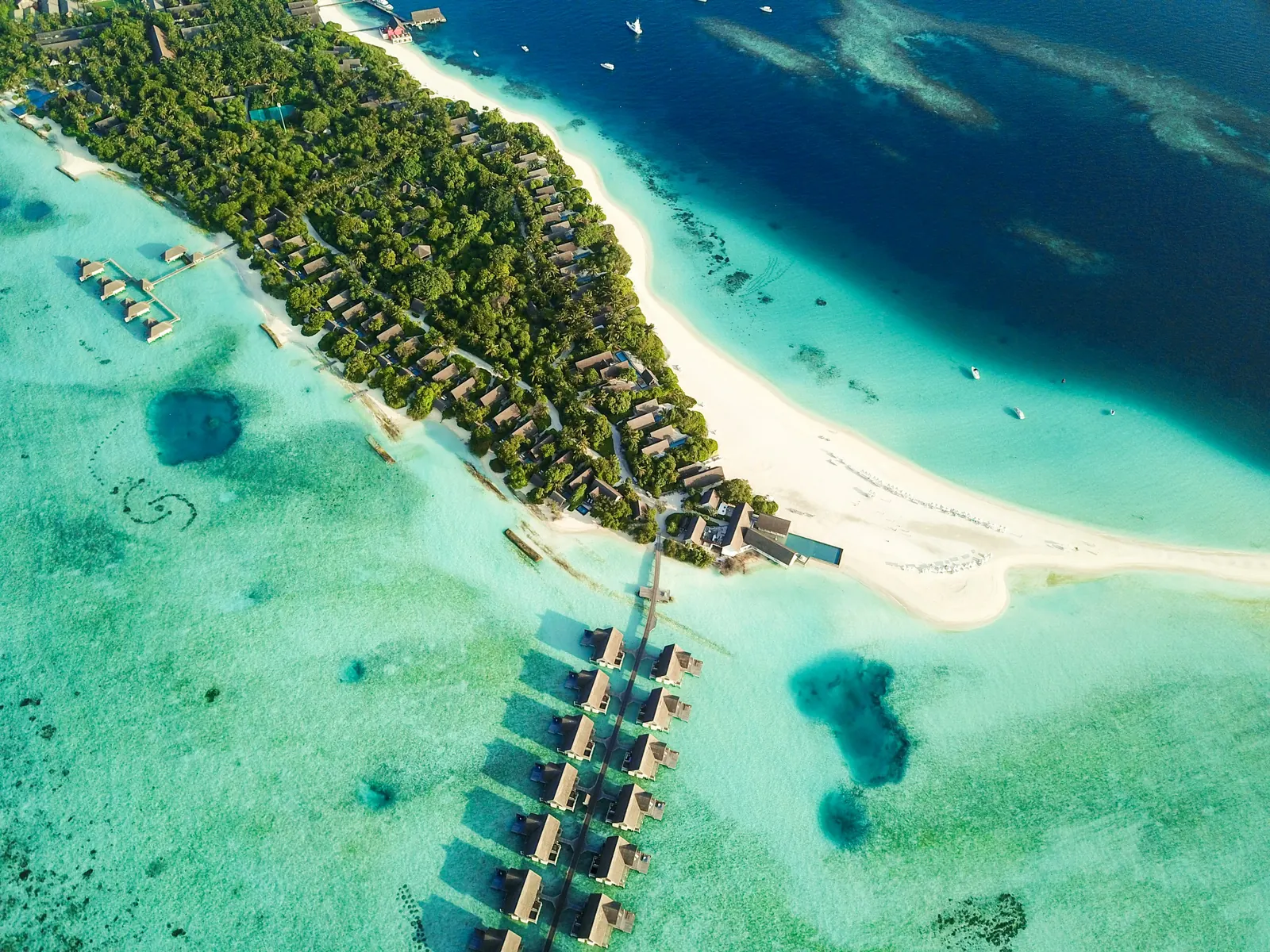
Quick Answer: Best Time to Visit the Maldives by What You Want
Which month is best depends on what you are optimizing for:
- Driest, calmest weather: February, with January and March close behind.
- Peak weather without the worst prices: mid-January to March, after the Christmas and New Year price spike has passed.
- Good weather at lower prices: April, May and November, which tend to sit between the peak and the wet-season rates.
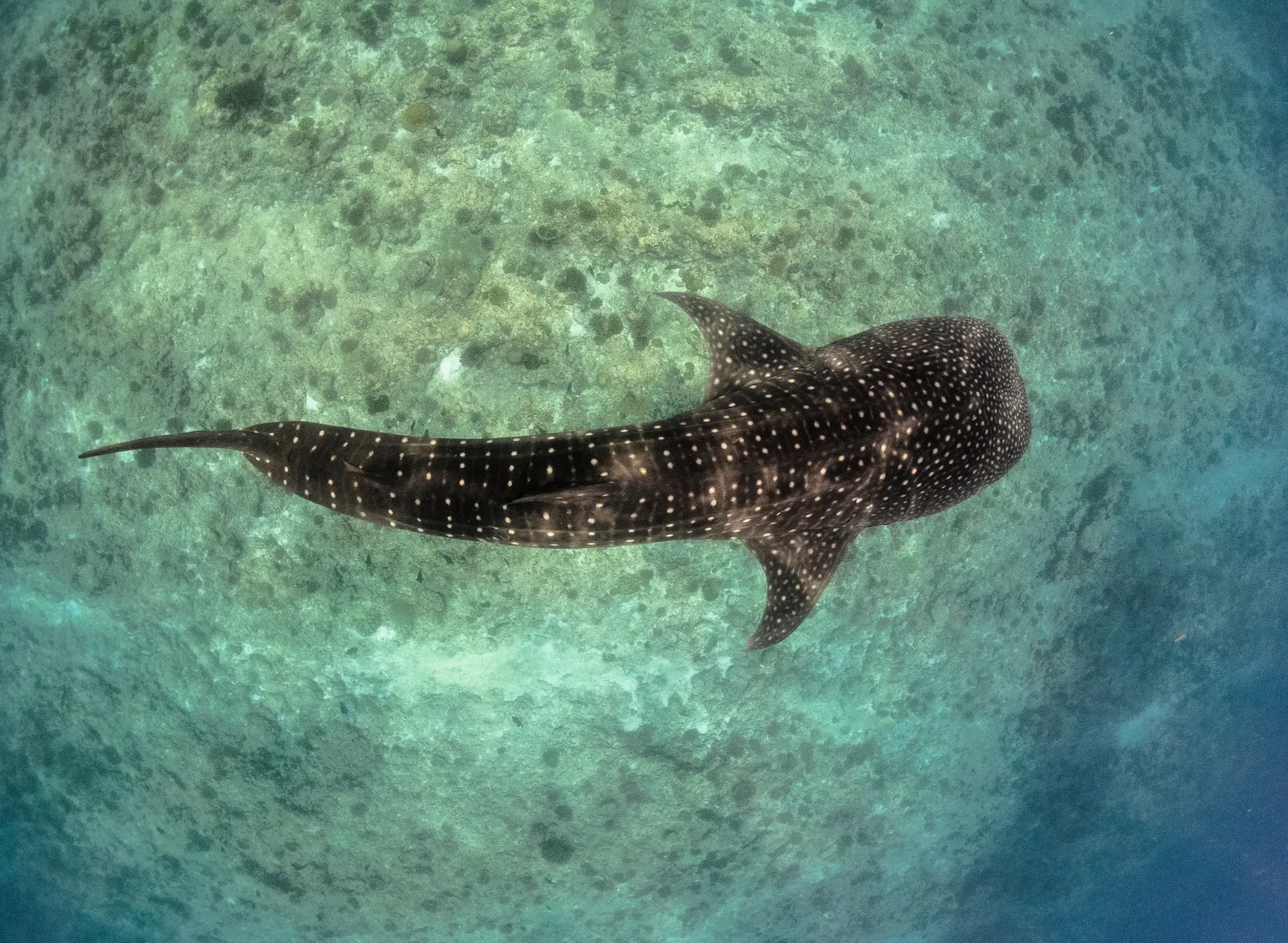
- Manta rays and whale sharks at Hanifaru Bay: May to November, strongest June to October, with many operators pointing to late July through early October as the peak.
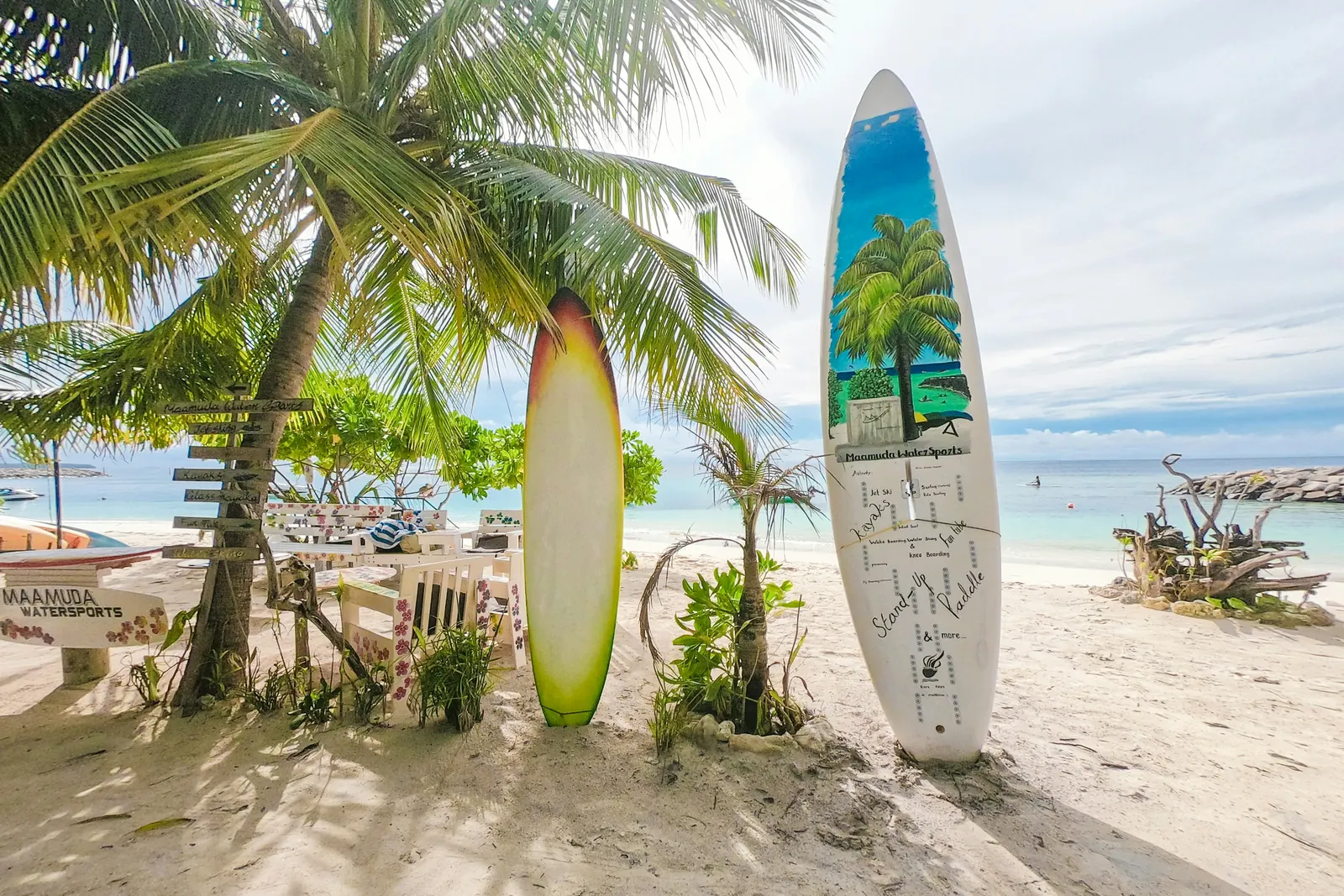
- Surfing: April to October, with the biggest swells usually arriving from about June to August; March and November can also work.
- Lowest prices: May to October, when the same villa can be 30–40% cheaper than in peak season.
- Most expensive window: December 20 to January 5, when resort rates can climb 30–50% above already-high peak-season prices.
Why Does Wind Direction Matter More Than Temperature in the Maldives?
Wind direction matters because the monsoon reverses twice a year, and each reversal changes the rain, the sea state, where plankton and manta rays collect, and what resorts charge. Temperature adds almost nothing to the decision, since typical daily highs stay around 30–32°C in every month. The northeast monsoon (locally Iruvai) brings dry, settled weather, and the southwest monsoon (Hulhangu) brings wind, showers and rougher seas. The Maldives Meteorological Service places the dry season from about January to March and the wet season from mid-May to November, with December and April as transition months.
| Season | Months | Wind & Sea | Rain | Prices | Best For |
|---|---|---|---|---|---|
| Dry (northeast monsoon) | January – March | Light northeast winds, calm lagoons, best visibility | Low; February is typically the driest month | Highest | Sunshine guarantees, honeymoons, diving, snorkeling |
| Transition | December and April | Winds shifting; April has the most windless, glassy days | Low to moderate | December peaks late in the month; April is a shoulder month | Good weather with a chance of better rates (April) |
| Wet (southwest monsoon) | Mid-May – November | Stronger southwest winds, choppier seas, plankton-rich water on the eastern side of atolls | Frequent short showers; heaviest around September | Lowest, often 30–40% below peak | Manta rays, surfing, value stays, dramatic skies |
What Is the Weather Like in the Maldives Month by Month?
The Maldives is hot year-round at 30–32°C, so the month you pick changes rain and wind rather than temperature: a typical February has about three rain days, while a typical September has about fifteen. The table uses Malé-area patterns, with temperatures as approximate daily highs and rainfall in bands, because published averages vary between datasets and between atolls.
| Month | Typical High | Rain | Sea & Wind | Price Level | Verdict |
|---|---|---|---|---|---|
| January | ~30°C | Low; long sunny days | Calm, gentle northeast breeze | Peak until early January, then easing | Best all-round weather; book early |
| February | ~31°C | Lowest of the year, only a few rain days | Calm, excellent visibility | High | The driest, calmest month |
| March | ~31°C | Low | Calm; first swells arrive late in the month, ahead of April’s main surf season | High | Still excellent, slightly hotter |
| April | ~32°C | Low to moderate; showers become possible | Often the most windless month; hot and humid | Shoulder | Very good weather at easier prices |
| May | ~31°C | Moderate; wet season arrives mid-month | Winds pick up, seas become rougher | Value | Mixed weather, strong deals; Hanifaru season opens |
| June | ~30°C | Moderate to high; short showers | Windy, choppier | Value | Manta peak begins; surf swells build |
| July | ~30°C | Moderate to high | Breezy, choppy | Value | Manta rays, surfing, quiet resorts |
| August | ~30°C | Moderate to high | Breezy, choppy | Value to moderate; school holidays can lift some rates | Manta rays; family demand |
| September | ~30°C | Highest number of rain days | Rough at times | Value | Manta and whale shark peak; big savings |
| October | ~30°C | High; storms possible | Rough at times | Lowest | Cheapest month; last weeks of manta peak |
| November | ~30°C | Easing but still frequent early on | Calming toward month’s end | Shoulder to value | Weather improving, deals still available |
| December | ~30°C | Low by late month | Calm returning | Peak from about December 20 | Christmas peak; book months ahead |
Figures are approximate long-term patterns. Rainfall totals differ between weather datasets and vary by atoll, so treat each month as a planning guide, not a forecast.
What Does a Rainy Day in the Maldives Actually Look Like?
A rainy day in the Maldives usually means a short, heavy tropical shower rather than hours of gray drizzle. Even during the wet season, one summary of Meteorological Service data puts the wettest months at around seven hours of sunshine a day, and the sea stays warm at about 28°C.
The difference between seasons shows up in frequency. A typical February has only around three days with measurable rain, while September has around fifteen. The wet season also brings stronger winds, which is why you notice it more in the sea than in the sky: boat transfers get bouncier, surface water looks choppier, and snorkeling visibility can drop on windward reefs. Many travelers find that the trade is worth it, because low-season rates, quieter resorts and skies that build into dramatic late-afternoon storms come with it.
Do Northern and Southern Atolls Have Different Weather?
Yes. According to the Maldives Meteorological Service, rainfall increases from north to south: the southern atolls average roughly 2,200 mm a year, the central atolls around 2,000 mm, and the northern atolls around 1,800 mm.
| Region | Avg. Annual Rainfall | What It Means for Your Trip |
|---|---|---|
| Northern atolls | ~1,779 mm | The driest of the three; a sensible pick if you are traveling in the wet season |
| Central atolls (including Malé Atolls) | ~1,966 mm | The most visited zone and the easiest to reach by speedboat |
| Southern atolls (including Addu) | ~2,218 mm | More rain and more rain days; usually a dry-season destination |
The gap is not dramatic, but it is enough to matter when you are choosing between two similar resorts in the wet season. If your dates fall between May and November, lean north or central.
When Is the Best Time to See Manta Rays and Whale Sharks in the Maldives?
The best time for manta rays and whale sharks in the Maldives depends on the location: Hanifaru Bay in Baa Atoll peaks in the wet season, while South Ari Atoll delivers whale sharks year-round. The reason is plankton. In the southwest monsoon, currents push plankton toward the eastern side of the atolls, and the animals follow it. In the northeast monsoon, more mantas are found on the western side.
| Experience | Where | Best Months | Notes |
|---|---|---|---|
| Manta rays and whale sharks feeding | Hanifaru Bay, Baa Atoll | May – November; strongest June – October, often late July – early October | Snorkeling only, with licensed operators; scuba diving is not allowed. Visibility and numbers are often better a few days either side of a full or new moon |
| Whale sharks | South Ari Atoll (Dhigurah, Maamigili) | Year-round; peak roughly August – November | Calmest water for diving here is usually December – May |
| Manta rays, western side of atolls | Ari, Malé and other atolls | November – April | Cleaning stations are the reliable draw |
| Manta rays, eastern side of atolls | Ari, Malé and other atolls | May – October | Follows the plankton pushed by southwest winds |
| Manta rays year-round | Addu Atoll | All year | Also known for a large wreck dive |
| Clearest, calmest diving and snorkeling | Most atolls | December – April, especially January – April | Less wind, better surface conditions and visibility |
Hanifaru Bay is a protected marine reserve, and visits are managed, so the numbers of visitors and boats in the water are limited. Many travelers combine a Baa Atoll stay with a Hanifaru day trip, either from a resort or a nearby local island. Because scuba diving is off-limits there, it is a snorkeling experience, and moderate wind and short showers matter less than being in the water on a good tide.
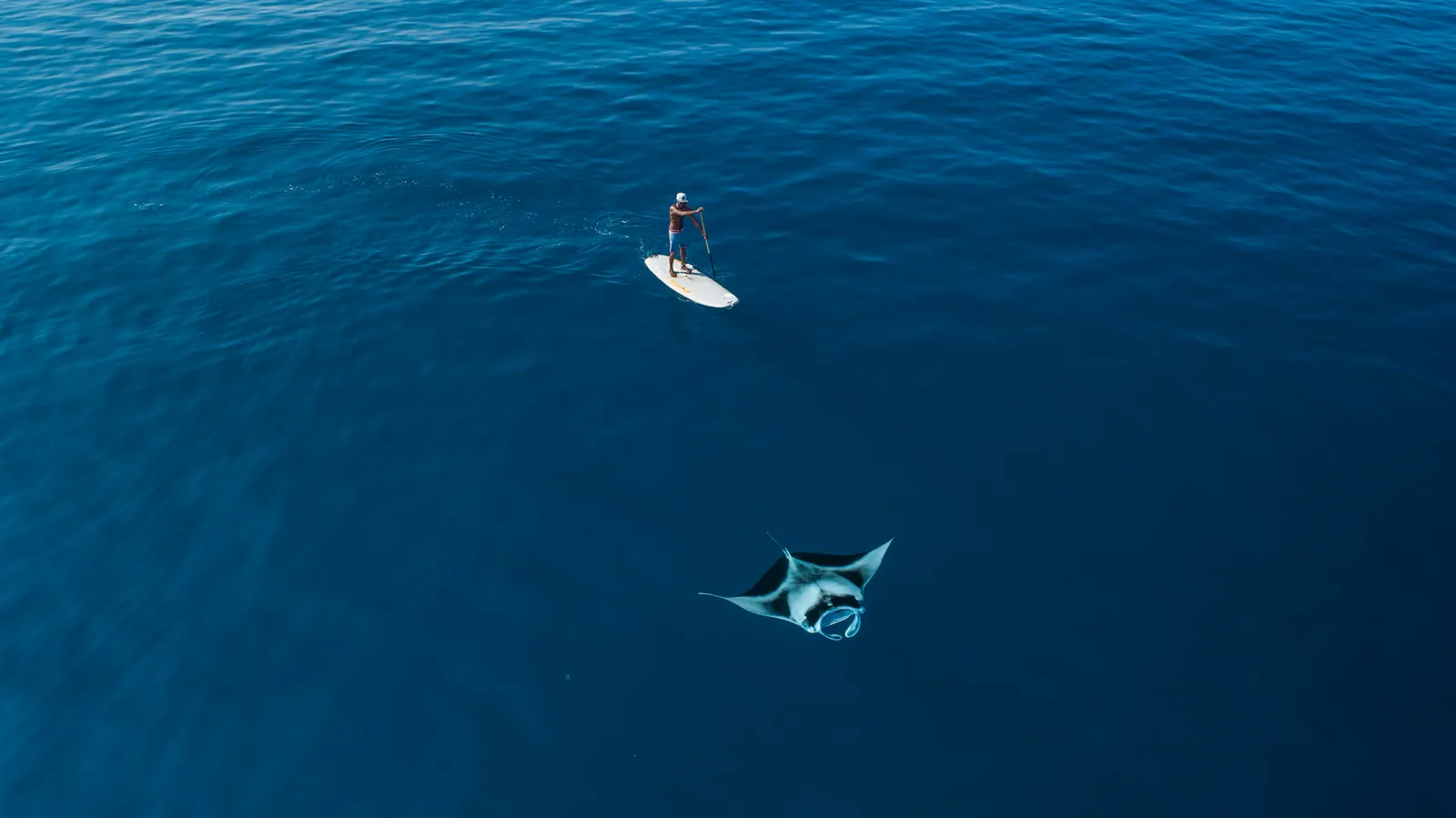
When Is the Surf Season in the Maldives?
The main surf season in the Maldives runs from April to October, when the southwest monsoon sends consistent swells from the southern Indian Ocean. Most guides put the biggest waves from roughly June to August, though one surf-travel guide argues that the shoulder months of March to May and September to November give the best balance of size and conditions, so opinions differ. In the wet season, west and northwest winds turn many eastern-side breaks in the North and South Malé atolls clean and offshore.
March and November are transition months that can still deliver good waves. The dry northeast monsoon (roughly November to March) is calmer and produces smaller swell, though the southern or outer atolls can still fire from around February to April. Many of the most reliable waves are reef breaks that resorts reach by boat, so surfers usually choose either a surf-focused resort or a charter. The surf season also overlaps with the Maldives’ lowest prices, which is a large part of the appeal.
When Is the Cheapest Time to Visit the Maldives?
The cheapest time to visit the Maldives is May to October, when the same resort can cost roughly 30–40% less than in peak season, sometimes more when free-night offers are included. The most expensive window is the two weeks around Christmas and New Year, with rates from about December 20 to January 5 often 30–50% above already-elevated peak prices and minimum stays of five to seven nights at some resorts.
| Window | Typical Pattern | What to Know |
|---|---|---|
| Dec 20 – Jan 5 | Highest prices of the year | Book many months ahead; expect minimum stays and holiday supplements |
| Jan 6 – March | Peak season, with prices easing slightly after the holidays | Best weather, but tightest availability; late January to mid-February is a good balance |
| April and November | Shoulder season, commonly 25–40% below peak | Good weather most days; April is hot, November is settling |
| May – October | Green season, lowest prices | Free-night and upgrade offers are most common here; August can be pricier because of school holidays |
Percentages are rough patterns drawn from resort and agency rate comparisons. Actual savings depend on the resort, room type, and year.
Guesthouses on local inhabited islands such as Maafushi or Dhigurah are far cheaper than private-island resorts at any time of year, which makes them the most affordable way to see the Maldives whichever season you choose. Seasonal weather matters a little more there, since day trips to sandbanks and reefs depend on sea conditions.
How Do Seaplane Transfers Affect When You Should Travel?
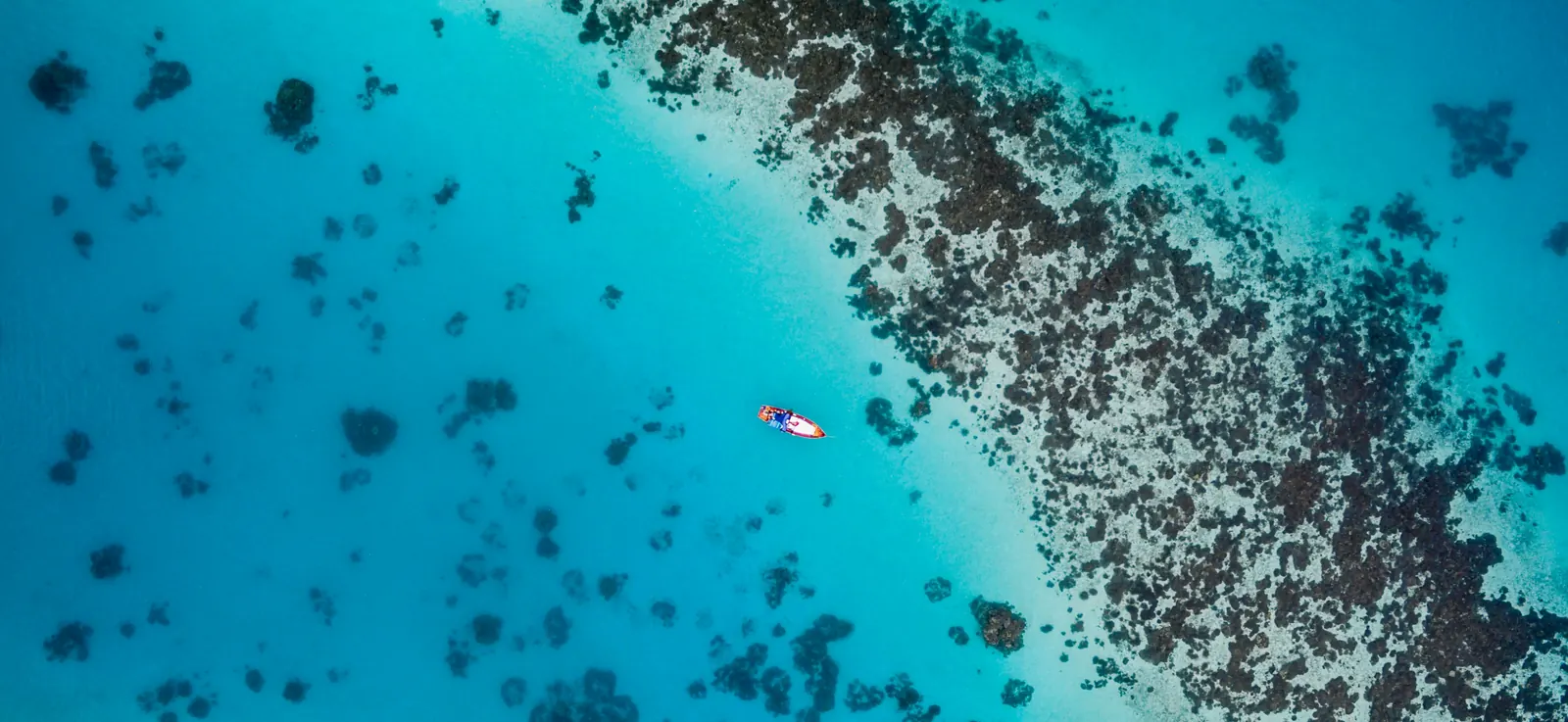
Seaplanes fly only in daylight, so your international arrival time can decide which resorts work for you. Operators generally run between about 06:00 and 16:00, with the last arrival transfers leaving around 15:00 to 16:00 and international flights landing after roughly 15:00–15:30 typically needing an overnight stay in or near Malé. Departures are usually possible only from about 09:00 onward, which affects early flights home.
| Transfer | When It Runs | Best For | Watch Out For |
|---|---|---|---|
| Speedboat | Day and night, weather permitting | Resorts in North and South Malé Atolls; late arrivals | In the wet season, larger swells can cause 30–60 minute delays and a bumpy ride; cancellations are uncommon |
| Seaplane | Daylight only, roughly 06:00 – 16:00 | Resorts in Ari, Baa, Noonu, Raa, Lhaviyani and other atolls beyond speedboat range | Late arrivals mean an overnight stay in Malé; heavy rain, wind and low visibility can change schedules |
| Domestic flight + speedboat | Scheduled flights, then boat | The far north and far south, including Addu, Gaafu and Laamu | Two legs and more time; check baggage rules |
Practical rule: if your flight lands in the evening, choose a speedboat-served resort in the Malé atolls, or plan a night near the airport before a seaplane transfer. In the wet season, add a buffer for weather delays on the way home, and avoid tight same-day international connections.
Should You Visit the Maldives During Ramadan?
Yes, resorts run as normal during Ramadan, so your holiday is largely unaffected there. On private-island resorts, dining, activities and drinks continue as usual. The changes are on local islands and in Malé, where some daytime restaurants close and reopen for the evening meal, public eating and drinking during daylight hours is discouraged, and activities may run shorter hours. Modest dress is expected on local islands at all times.
Ramadan follows the lunar calendar and moves about 10–12 days earlier each year. In 2027 it is expected to run from roughly early February to early March, subject to moon sighting, so it overlaps with peak dry season. Government offices and some businesses close for one to three days around Eid al-Fitr, but resorts stay open.
Are There Cyclones in the Maldives?
Major tropical cyclones are uncommon in the Maldives because it sits so close to the equator, though strong winds, squalls and heavy rain can occur, especially around the change between monsoons in April–May and again in the autumn. If you are comparing storm risk across Indian Ocean islands, our guide to the best time to visit Mauritius, which has a well-defined cyclone season, shows how different the risk profile is.
Frequently Asked Questions
What is the worst time to visit the Maldives?
There is no month that is bad everywhere, but September and October have the most rain days and the roughest seas, so they are the least suited to travelers who need guaranteed sun. If budget is your priority, the Christmas and New Year window is the worst time to book.
Is the Maldives worth visiting in the rainy season?
Yes, for many travelers. Showers are usually short, sunshine hours remain high, the water stays warm, and prices can be substantially lower. It is also the season for Hanifaru Bay and the best surf, so it suits wildlife lovers and surfers particularly well.
What is the best month for a honeymoon in the Maldives?
February is the most reliable month for dry, calm weather. If you want a slightly lower price while keeping most of the good weather, look at mid-January or April.
When is the best time for snorkeling in the Maldives?
For calm surface conditions and the clearest water, December to April is generally best. For big marine encounters such as mantas and whale sharks, June to October is usually stronger, particularly at Hanifaru Bay.
Does it rain all day in the Maldives during the monsoon?
Rarely. Rain typically arrives as short bursts, often in the afternoon or evening, followed by clear skies. Wind and sea conditions are usually a bigger factor than the rain itself.
Planning Your Maldives Trip
Start by choosing what matters most: calm dry weather, the lowest possible price, or underwater wildlife. Then match your dates to your transfer type so your arrival time does not undo the plan. For comparison, our guides to the best time to visit Bora Bora and the best time to visit Thailand cover how other overwater and island destinations trade weather against price.